
China broadens AI travel restrictions from DeepSeek to additional private companies.
Leading researchers at private AI companies in China are being required to hand over their passports, marking a subtle increase in the restrictions that started with DeepSeek earlier this year.
China is broadening its unofficial travel limitations on senior AI researchers, extending measures that originated at DeepSeek to a wider array of private firms operating at the forefront, as reported by Bloomberg on Tuesday, citing sources familiar with the situation. This trend has become increasingly apparent. Top engineers and researchers are being asked to give their passports to their employers, with the official rationale being that their roles could expose them to information that might be deemed a state or commercial secret. This policy is sometimes framed as a corporate rule and other times as government guidance, but in practice, the line between the two is often unclear. Bloomberg's report situates this development within the Communist Party's emerging view of cutting-edge AI as a valuable national asset.
The first publicly acknowledged instance occurred in March when DeepSeek employees started surrendering their passports shortly after the lab's R1 model challenged prior assumptions about the computational power needed by Chinese frontier labs to meet Silicon Valley standards.
Around the same time, The Wall Street Journal reported that Chinese authorities had cautioned leading AI entrepreneurs against travel to the US, expressing concerns that researchers might leak sensitive technical information internationally, that American firms could acquire important intellectual property, or that executives might face detention as a form of diplomatic leverage.
What is new in this week’s Bloomberg report is the extended reach of these controls. They now affect a wider range of individuals in the private AI sector, going beyond DeepSeek and the immediate aftermath of the R1 model release.
These travel restrictions coincide with increasing financial regulations. In late April, China's National Development and Reform Commission and several other agencies directed major AI companies, including Moonshot AI, StepFun, and ByteDance, to turn down US-based investments in forthcoming funding rounds unless they receive prior approval.
Multiple Chinese AI startups, including Moonshot, are contemplating shifting their corporate registrations from foreign jurisdictions back to mainland China, following Beijing's blocking of Meta’s $2 billion acquisition of Manus and indications that offshore entities would encounter more stringent domestic IPO approvals. The intent is clear: to consolidate capital, talent, and corporate presence within Chinese borders.
The urgency behind Beijing's actions is reflected in public performance metrics. According to Stanford's 2026 AI Index, the gap between the top US and Chinese models has narrowed to 2.7%, down from 17.5 to 31.6 percentage points in mid-2023. China now accounts for 69.7% of global AI patent filings, produces 23.2% of the world’s AI publications, and deploys industrial robots at nine times the rate of the US.
Since 2017, the migration of AI talent to the US has decreased by 89%. The combination of a shrinking capability gap and a continuous inward concentration of talent provides context for Beijing's passport policy.
However, this policy has its drawbacks. The requirement to surrender passports functions informally as an exit ban without legal oversight, complicating international collaboration, which has historically been a strength of Chinese AI research. Whether private-sector researchers will accept this trade-off remains to be seen.
The enforcement of travel restrictions proves easier in theory than in practice, especially as the affected group expands from a limited number of DeepSeek staff to thousands of researchers across the broader Chinese AI landscape.
As of Tuesday evening Beijing time, neither DeepSeek nor Moonshot AI had commented publicly on the latest developments.
Other articles
 Pony AI увеличивает годовую цель по количеству автомобилей до 3,500 роботакси после успешного первого квартала
Pony AI повысила свою цель по количеству роботакси в 2026 году до более чем 3,500 автомобилей после того, как доходы от роботакси в первом квартале выросли на 395% по сравнению с прошлым годом, а флот превысил 1,700.
Pony AI увеличивает годовую цель по количеству автомобилей до 3,500 роботакси после успешного первого квартала
Pony AI повысила свою цель по количеству роботакси в 2026 году до более чем 3,500 автомобилей после того, как доходы от роботакси в первом квартале выросли на 395% по сравнению с прошлым годом, а флот превысил 1,700.
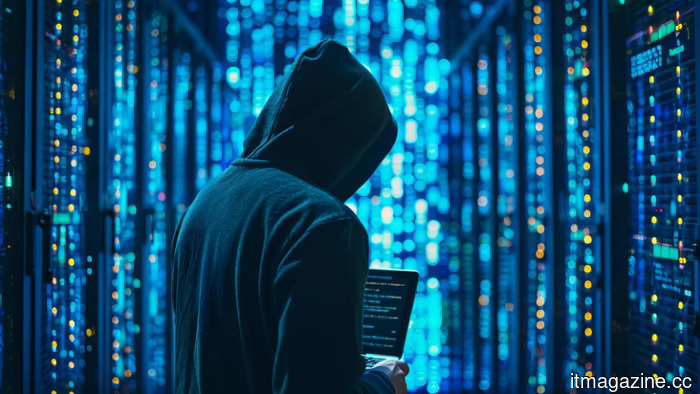 Хакеры, связанные с Ираном, получили доступ к дисплею управления железнодорожным двором метро Лос-Анджелеса в марте, сообщает израильская компания.
Фирма Gambit Security из Тель-Авива сообщает, что иранские хакеры экстрагировали 700 ГБ данных метро Лос-Анджелеса в марте и прослеживают сервер до известной операции, связанной с Тегераном.
Хакеры, связанные с Ираном, получили доступ к дисплею управления железнодорожным двором метро Лос-Анджелеса в марте, сообщает израильская компания.
Фирма Gambit Security из Тель-Авива сообщает, что иранские хакеры экстрагировали 700 ГБ данных метро Лос-Анджелеса в марте и прослеживают сервер до известной операции, связанной с Тегераном.
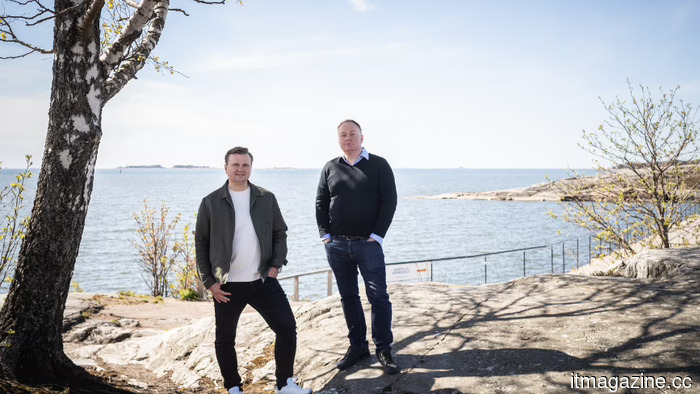 Avrea привлекла 4,7 миллиона долларов для исправления CI/CD, прежде чем кодирование ИИ его сломает.
Хельсинкский стартап Avrea, основанный Ханну Валтоненом из Aiven и Юхой Вальванне из Nosto, привлек $4,7 млн, возглавляемых Earlybird, для ускорения CI/CD для команд инженеров с высоким уровнем ИИ.
SpaceX хочет, чтобы Пентагон заплатил в пять раз больше за Starlink в войне с Ираном
Рейтер сообщает, что SpaceX попросила Пентагон заплатить около 25 000 долларов за терминал Starlink, увеличив сумму с 5 000 долларов, так как американские ударные дроны над Ираном зависят от этой сети.
Китай расширяет ограничения на поездки в области ИИ с DeepSeek на другие частные компании
Китай расширяет неформальные ограничения на поездки старших исследователей ИИ из DeepSeek на другие частные компании, сообщает Bloomberg, ссылаясь на опасения по поводу государственной тайны.
Avrea привлекла 4,7 миллиона долларов для исправления CI/CD, прежде чем кодирование ИИ его сломает.
Хельсинкский стартап Avrea, основанный Ханну Валтоненом из Aiven и Юхой Вальванне из Nosto, привлек $4,7 млн, возглавляемых Earlybird, для ускорения CI/CD для команд инженеров с высоким уровнем ИИ.
SpaceX хочет, чтобы Пентагон заплатил в пять раз больше за Starlink в войне с Ираном
Рейтер сообщает, что SpaceX попросила Пентагон заплатить около 25 000 долларов за терминал Starlink, увеличив сумму с 5 000 долларов, так как американские ударные дроны над Ираном зависят от этой сети.
Китай расширяет ограничения на поездки в области ИИ с DeepSeek на другие частные компании
Китай расширяет неформальные ограничения на поездки старших исследователей ИИ из DeepSeek на другие частные компании, сообщает Bloomberg, ссылаясь на опасения по поводу государственной тайны.
China broadens AI travel restrictions from DeepSeek to additional private companies.
According to Bloomberg, China is broadening its informal travel limitations on senior AI researchers from DeepSeek to include other private companies, due to concerns related to state secrets.