

Major tech companies are starting to prioritize child safety, but TikTok and YouTube are falling short.
Big tech has finally recognized the importance of child safety, and Ofcom is continuing its efforts to advocate for it.
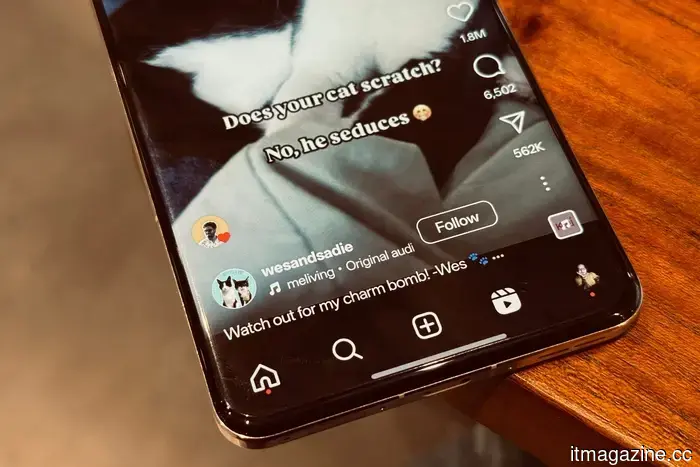
If your children use Snapchat, Instagram, or Roblox, significant changes are on the horizon. The UK regulator, Ofcom, has secured new commitments from these platforms to enhance protections for children against online strangers and potential groomers.
Snap is taking the most substantial steps by agreeing to implement all of Ofcom's suggestions for grooming prevention. By default, adult strangers will no longer be allowed to contact children, and kids will not be encouraged to add unknown users to their friend lists. The platform also plans to introduce age verification for all UK users this summer, ensuring that users under 18 benefit from these safeguards.
Roblox is going even further, allowing parents to disable direct chat entirely for users under 16. Meta is working on a feature to hide the friend lists of teenagers on Instagram and intends to utilize AI tools to identify suspicious conversations between adults and minors.
However, TikTok and YouTube have not committed to making significant changes to improve the safety of their content feeds for children. Ofcom’s research indicated that almost 75% of 11 to 17-year-olds encountered harmful content within a four-week period, with over a third finding it while browsing their feeds. TikTok and YouTube were among the top platforms where this occurred. Both companies maintain that their feeds are already safe, a claim Ofcom disputes.
Why are 8-year-olds still using TikTok and Instagram? Research indicates that 84% of children aged 8 to 12 continue to engage with at least one platform. The ease of circumventing current age-verification processes plays a significant role in this.
Ofcom has reached out to the Secretary of State, suggesting that stronger legislation may be necessary to empower regulators to enforce age restrictions effectively. In the meantime, Ofcom has established a five-point action plan to monitor these commitments and advocate for further changes, including possible enforcement actions against non-compliant platforms.
Ensuring children's safety is an issue that should be straightforward and one that no company should oppose. It's encouraging that some organizations are adhering to Ofcom's guidelines and implementing stringent protective measures.
However, there should be no necessity for a regulatory body to compel safety practices. Social media companies must take responsibility and address these issues proactively, something they have historically failed to do.
Rachit is a seasoned tech journalist with over seven years of experience in the consumer technology field.
4chan has turned into a hub for AI image exploitation, where anonymous users request editors to transform regular photos of women into non-consensual synthetic sexual images. The Institute for Strategic Dialogue analyzed 7,616 English-language posts from December 2025 to March 2026 and discovered that 2,927 of them contained language related to nudification or image manipulation. WIRED highlights a culture of requests and rewards, where those creating the fake images are seen as skilled operators.
LinkedIn is taking steps to address the prevalence of low-quality AI-generated content, which it refers to as “AI slop.” These posts often appear polished yet feel inauthentic and motivationally devoid, transforming simple workplace thoughts into contrived lessons with monotonous commentary. The platform acknowledges this as an issue and is implementing measures to limit the spread of such content.
YouTube is responding to the growing issue of AI-generated deepfake videos, which are becoming increasingly realistic, complicating the identification of fake versions of individuals online. This presents a troubling situation for creators when their likenesses appear in videos they did not produce. YouTube is addressing this concern by expanding its AI likeness detection system to a broader range of creators, providing eligible users with new tools to track and report videos that digitally imitate them. Previously limited to a small pilot group, this feature will now be rolled out to all eligible creators over 18 in the coming weeks.




Other articles
 YouTube is confining you within a distinct content bubble influenced by your gender.
A recent study suggests that YouTube's recommendation algorithm might direct men and women to significantly different types of political content, heightening worries about online echo chambers and polarization.
YouTube is confining you within a distinct content bubble influenced by your gender.
A recent study suggests that YouTube's recommendation algorithm might direct men and women to significantly different types of political content, heightening worries about online echo chambers and polarization.
 tvOS 27 is finally introducing this iOS accessibility feature, and your eyes will appreciate it.
Apple has announced that tvOS 27 will introduce a system-wide option for larger text, enhancing readability on your Apple TV 4K.
tvOS 27 is finally introducing this iOS accessibility feature, and your eyes will appreciate it.
Apple has announced that tvOS 27 will introduce a system-wide option for larger text, enhancing readability on your Apple TV 4K.
 YouTube is placing you in a completely separate content bubble determined by your gender.
A recent study suggests that YouTube's recommendation algorithm might guide men and women towards significantly different political content, highlighting new worries about online echo chambers and polarization.
YouTube is placing you in a completely separate content bubble determined by your gender.
A recent study suggests that YouTube's recommendation algorithm might guide men and women towards significantly different political content, highlighting new worries about online echo chambers and polarization.
 Major tech companies are beginning to prioritize child safety, but TikTok and YouTube are falling short.
Snap, Meta, and Roblox have committed to implementing new anti-grooming initiatives following Ofcom's public appeal for action, while TikTok and YouTube still need to clarify their positions.
Major tech companies are beginning to prioritize child safety, but TikTok and YouTube are falling short.
Snap, Meta, and Roblox have committed to implementing new anti-grooming initiatives following Ofcom's public appeal for action, while TikTok and YouTube still need to clarify their positions.
 The Vivaldi 8.0 update has made returning to Chrome more challenging than ever.
Vivaldi 8.0 presents a comprehensive new Unified design, along with six preset layouts and an exceptionally refined appearance that may just persuade you to switch.
The Vivaldi 8.0 update has made returning to Chrome more challenging than ever.
Vivaldi 8.0 presents a comprehensive new Unified design, along with six preset layouts and an exceptionally refined appearance that may just persuade you to switch.
 CapCut is integrating its editing tools into Gemini, transforming your creative workflow forever.
CapCut is collaborating with Google's Gemini app, allowing users to edit images and videos straight within Gemini using CapCut's features. This eliminates the need to switch apps during your workflow.
CapCut is integrating its editing tools into Gemini, transforming your creative workflow forever.
CapCut is collaborating with Google's Gemini app, allowing users to edit images and videos straight within Gemini using CapCut's features. This eliminates the need to switch apps during your workflow.
Major tech companies are starting to prioritize child safety, but TikTok and YouTube are falling short.
Snap, Meta, and Roblox have come to an agreement to implement new anti-grooming measures following Ofcom's public appeal for action, whereas TikTok and YouTube still need to provide significant clarification.