

Wove app examines garments for PFAS and microplastics | TNW
TL;DRWove is a new mobile application that scans clothing for PFAS, microplastics, and hidden toxins, providing shoppers with clear safety ratings and cleaner alternatives. Launched in response to increasing regulatory pressure and heightened public awareness following Netflix’s The Plastic Detox, it aims to offer the same insights for wardrobes that Yuka provides for grocery products.
Health-conscious consumers have largely moved away from plastic containers, transitioned to filtered water, and revamped their skincare routines. Yet, clothing still remains a blind spot, and the new app Wove seeks to address this issue.
Introduced this week, Wove claims to be the first mobile app capable of scanning everyday clothing for PFAS, the potential for microplastic shedding, and other concealed toxins. Users can upload a photo, screenshot, clothing tag, product description, or shopping link, and the app will provide a straightforward rating based on fibre materials, chemical risks, and the likelihood of microplastic release. If the rating is unsatisfactory, Wove will suggest cleaner alternatives that align with the shopper’s style, lifestyle, and budget.
Inevitably, comparisons with Yuka, the well-known food and cosmetics scanner with over 80 million users globally, arise. Similar to Yuka, Wove claims to be fully independent, ad-free, and free from paid brand promotions or sponsored rankings. The distinction lies in its focus: instead of scanning barcodes on food items, Wove investigates the synthetic fabrics we wear daily.
The timing is intentional. Netflix’s documentary The Plastic Detox, which was released in March 2026, has sparked renewed public concern regarding synthetic materials, chemical exposure, and their association with fertility issues. This cultural awareness coincides with increasing regulations: France banned PFAS in textiles as of January 2026, California's AB 1817 already prohibits intentionally added PFAS in clothing, and the EU is tightening its REACH restrictions on related substances this year.
The underlying data supports the need for awareness. Synthetic fibres have risen from about 45% of global fibre production in 1996 to approximately two-thirds today, with polyester constituting over half of all fibre production worldwide. Each wash cycle releases tiny plastic particles into waterways; however, a 2025 survey by the National Cotton Council found that only 42% of consumers aware of microplastic pollution connect it to their clothing.
PFAS, known as “forever chemicals” valued for their water and stain resistance, pose a similar concern. Research has linked PFAS exposure to endocrine disruption, lowered fertility, immune suppression, and various cancers. These chemicals are notoriously persistent, taking thousands of years to decompose in the environment, and have been identified at hazardous levels across numerous sites in Europe alone.
Wove was established by Emily Hemphill, a product leader from Charlotte, North Carolina, whose own experiences with fertility and wellness prompted her to explore the contents of her wardrobe. Hemphill has pointed out that clothing frequently remains the last blind spot when consumers consider the ingredients in food and skincare, highlighting the lack of transparency concerning textile chemistry.
The app is currently available on the Apple App Store, with an Android waitlist now accessible. It remains to be seen if Wove can achieve the same viral success as Yuka, but it enters a market where consumer demand for transparency is clearly surpassing what fashion brands voluntarily reveal. In an industry where microplastic pollution amounts to millions of metric tonnes annually, providing shoppers with a means to understand the materials in their clothing feels like an essential evolution rather than a niche feature.
Other articles
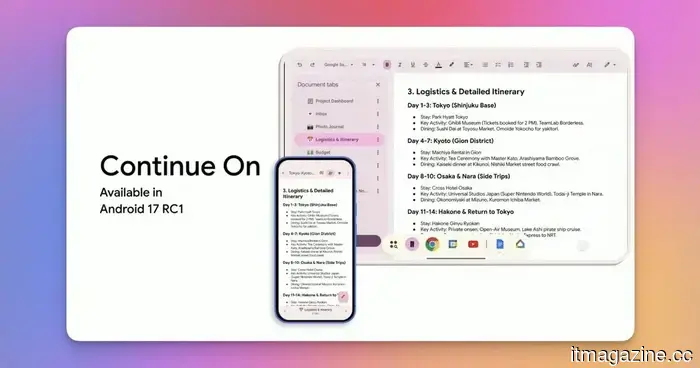 Android 17 is at long last receiving Apple’s Handoff feature, and it’s overdue.
Android 17's new Continue On feature enables you to launch an app on your phone and immediately resume your activity on your tablet with a simple tap.
Android 17 is at long last receiving Apple’s Handoff feature, and it’s overdue.
Android 17's new Continue On feature enables you to launch an app on your phone and immediately resume your activity on your tablet with a simple tap.
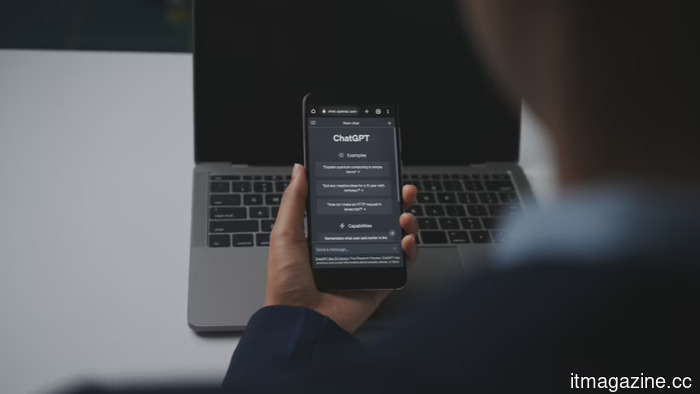 ChatGPT, Claude, Gemini, and Grok are not prepared to inform American voters.
Chatbots are not dependable for news updates. With the midterm elections 167 days away, let's examine what existing research reveals about ChatGPT, Claude, Gemini, and Grok, along with the actions being taken by the labs.
ChatGPT, Claude, Gemini, and Grok are not prepared to inform American voters.
Chatbots are not dependable for news updates. With the midterm elections 167 days away, let's examine what existing research reveals about ChatGPT, Claude, Gemini, and Grok, along with the actions being taken by the labs.
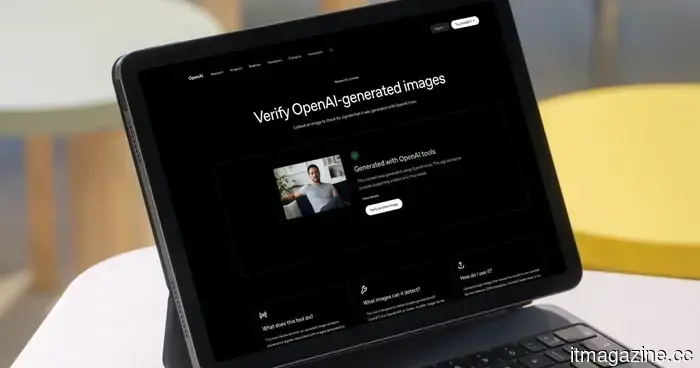 OpenAI has launched a new website that allows you to determine whether an image is genuine or artificially generated.
OpenAI is collaborating with Google to simplify the identification of AI-generated images by employing invisible watermarks, metadata, and a public verification tool that is currently available for use.
OpenAI has launched a new website that allows you to determine whether an image is genuine or artificially generated.
OpenAI is collaborating with Google to simplify the identification of AI-generated images by employing invisible watermarks, metadata, and a public verification tool that is currently available for use.
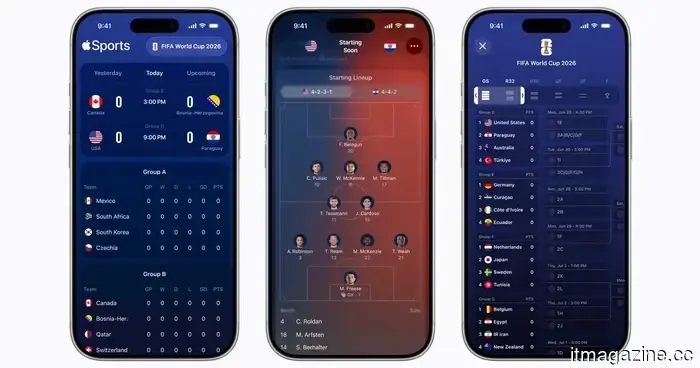 Apple Sports is prepared to monitor every moment of heartbreak during the World Cup in real time.
Apple Sports is growing its global presence by introducing World Cup tools such as bracket views, visual formations, widgets, Live Activities, and easy one-tap access to Apple TV.
Apple Sports is prepared to monitor every moment of heartbreak during the World Cup in real time.
Apple Sports is growing its global presence by introducing World Cup tools such as bracket views, visual formations, widgets, Live Activities, and easy one-tap access to Apple TV.
 Google aims for Gemini to assist in creating the next major scientific advancement.
Google's Gemini for Science extends AI capabilities beyond mere research summaries, offering experimental tools for formulating hypotheses, performing computational tests, and conducting literature reviews. The key question remains whether it can gain confidence within actual laboratories.
Google aims for Gemini to assist in creating the next major scientific advancement.
Google's Gemini for Science extends AI capabilities beyond mere research summaries, offering experimental tools for formulating hypotheses, performing computational tests, and conducting literature reviews. The key question remains whether it can gain confidence within actual laboratories.
 YouTube receives Gemini Omni at no cost, but the most advanced AI search functionalities remain accessible only through a subscription.
At I/O 2026, Google unveiled two major features for YouTube: Omni for Shorts and Ask YouTube for Premium subscribers in the United States.
YouTube receives Gemini Omni at no cost, but the most advanced AI search functionalities remain accessible only through a subscription.
At I/O 2026, Google unveiled two major features for YouTube: Omni for Shorts and Ask YouTube for Premium subscribers in the United States.
Wove app examines garments for PFAS and microplastics | TNW
Wove is the inaugural app designed to scan common clothing items for PFAS, microplastics, and concealed toxins, providing safety ratings and cleaner options for consumers.