
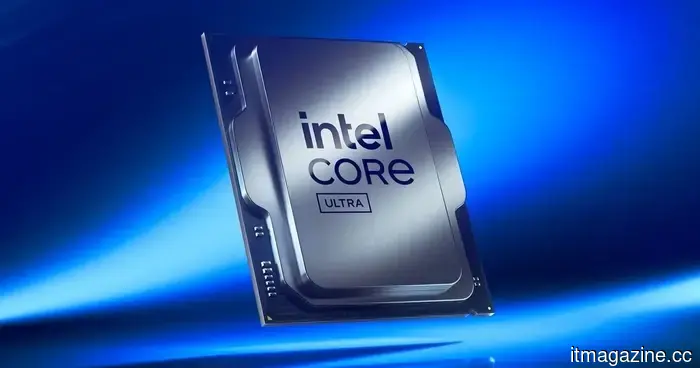
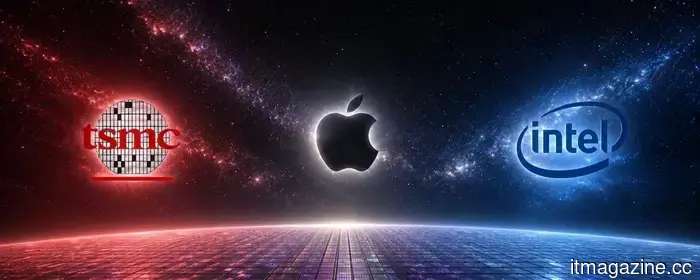
It appears that Intel has begun producing chips for Apple, although they are not the most cutting-edge types.
The much-discussed Apple-Intel chip agreement that many believed would never materialize is seemingly coming to fruition, albeit with significant caveats that have mostly been overlooked by the enthusiastic headlines.
Ming Chi Kuo indicates that Apple has begun producing processors for its lower-end iPhones, iPads, and Macs at Intel, utilizing the 18A-P process node and Foveros packaging. These are not the A-series chips used in the iPhone Pro or the M-series silicon found in the MacBook Pro. Instead, these are legacy and mid-range chips—workhorses that are manufactured in large quantities but lack prestige. The order distribution is approximately 80% iPhone, closely aligning with Apple’s sales breakdown of devices. This detail is more significant than it might initially seem.
This is fundamentally about TSMC.
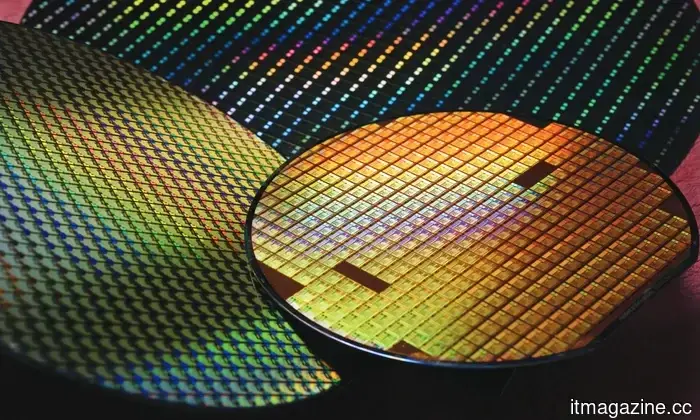
Apple's actions here are less about Intel and more about TSMC. For years, TSMC has been the primary supplier of Apple's silicon, but that channel is becoming increasingly congested. AI and high-performance computing have emerged as TSMC's most valuable customers, and capacity for advanced-node production—where the most intricate and profitable chips are created—continues to lean heavily in their favor. Apple recognizes this trend. The company that once commanded TSMC's full attention must now share it with Nvidia, AMD, and an expanding array of hyperscalers developing their own hardware. As a result, Apple’s leverage is gradually diminishing.
TSMC
Consequently, Apple is executing its typical strategy: planning several steps ahead. Reports suggest that the Intel collaboration was initiated well before TSMC’s capacity issues became pressing, signifying a carefully crafted backup plan. By running three product lines at Intel concurrently and allocating wafers in accordance with its actual device mix, Apple is not merely dipping its toes in. It’s effectively preparing for what a comprehensive partnership with Intel would entail, rigorously testing the collaboration in areas such as yield optimization, design feedback loops, and production adjustments. Should Intel perform well, Apple gains a reliable second supplier. If Intel falters, Apple has invested relatively little in this trial.
A lifeline or a pressure cooker—Intel must decide.
For Intel, this scenario represents either a lifeline or a pressure cooker, depending on perspective. The strategic importance of securing Apple—regardless of the chip range—cannot be overstated. Apple's manufacturing standards are notoriously stringent, its volume requirements are substantial, and its product diversity could provide Intel’s foundry business with a critical, demanding challenge. The current plan involves small-scale testing through 2026, ramping up in 2027, continued growth into 2028, and a natural decline in 2029 as the 18A-P generation ages.
Ming Chi Kuo
However, the caveat is that Intel's yield targets for 2027 are projected to be only 50-60%. This is a baseline expectation rather than a goal achieved. Moreover, TSMC will still command over 90% of Apple’s supply share even if all goes well. This does not signal a triumphant return for Intel—not yet. Assemblers and supply chain partners supposedly have not seen shipment schedules, and feelings within Intel concerning the Apple orders are reportedly mixed, a diplomatic way of suggesting that not everyone within the company views this partnership as a net positive, considering the pressure it may instigate.
TSMC, on the other hand, finds itself in a unique position: observing this situation from a place of strength while being structurally unable to respond effectively. Its operational execution remains unmatched in the industry, and for the foreseeable future, the overwhelming majority of advanced-node orders will remain as they are. However, the long-term landscape is one where various significant players—governments, Apple, and Samsung—are actively creating alternatives or applying pressure. TSMC’s advantage is tangible, yet it is increasingly being scrutinized by those eager to uncover a way to circumvent it. The narrative of Intel producing Apple chips is intriguing, but the more compelling story lies in what it signals about the deliberate direction the industry is heading.
It appears that Intel has begun producing chips for Apple, although they are not the most cutting-edge types.
Intel is discreetly producing chips for Apple's iPhones, iPads, and Macs, but these are limited to older and mid-range processors, excluding the advanced silicon that TSMC continues to excel in.