
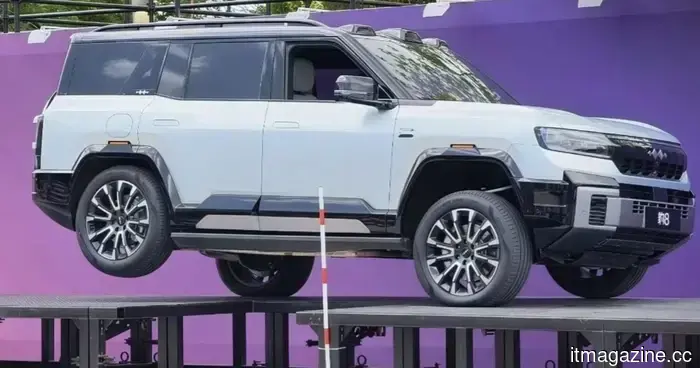
After excelling in range and charging, Chinese EV brands showcase three-wheel driving in SUVs.
Chinese electric vehicle (EV) manufacturers have dedicated years to improving aspects like range, charging speed, and display technology. Now, the competition is taking an unusual turn, with premium SUVs demonstrating three-wheel driving as a new area of focus.
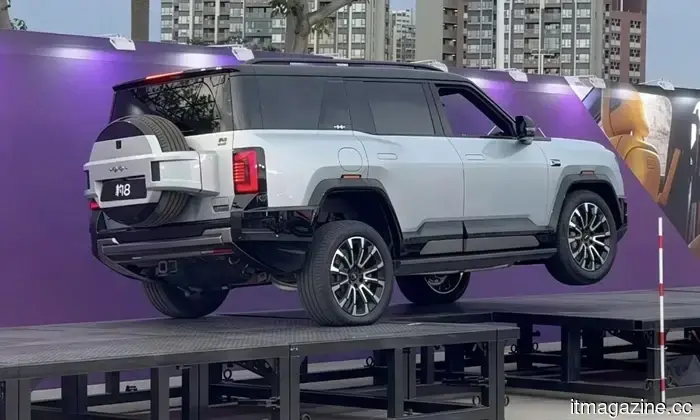
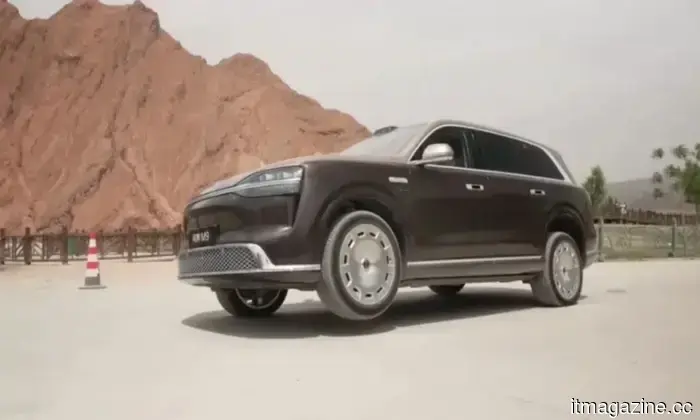
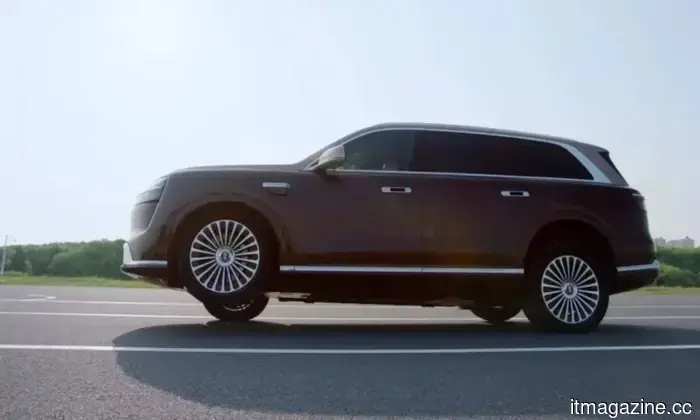
As reported by Car News China, vehicles such as BYD’s Denza B8 Flash Charge Edition, the Huawei-supported Aito M9, and Li Auto L9 are being showcased to illustrate how active suspension systems can lift one wheel while the vehicle continues to move at low speeds. These demonstrations appear dramatic, with practical applications that include changing tires, recovering off-road, and traversing uneven surfaces without getting stuck.
The larger message is undeniable. The race among EV SUVs in China is transitioning from conventional electric performance assertions to tangible hardware demonstrations that drivers can grasp within seconds. While range claims can seem theoretical, seeing a large SUV calmly driving with one wheel elevated creates a more immediate impression.
Understanding SUV wheel-lifting
The Denza B8 Flash Charge Edition clearly illustrates the direction this feature is taking. BYD demonstrated the SUV lifting a wheel completely off the ground while moving with the remaining three, utilizing its DiSus-P Ultra suspension system.
This system facilitates wheel elevation, tire replacement, and three-wheel operation. In tire-changing mode, the SUV can elevate one corner without a conventional jack, leaving the tire airborne. BYD claims the system can achieve this lift in under a minute, and the demonstration completed a tire change in 1 minute and 56 seconds.
This feature is designed for low-speed emergencies and difficult terrain. Its 15 km/h speed limit keeps it from highway applications and does not replace serious off-road functionality.
Transforming the stunt into practicality
Both Aito and Li Auto contribute to the trend, making it seem less like a showcase for a single brand. The Aito M9 has been demonstrated using Huawei’s Tuling platform to operate with one wheel removed, while Li Auto showcased the L9 lifting a wheel and continuing on three.
In China's competitive premium EV landscape, a suspension demonstration can resonate more quickly than another assertion about software, battery technology, or interior comfort. Active suspension provides these brands with a tangible feature to promote, rather than just another statistic on a specification sheet.
A seldom-utilized feature can still influence public perception by demonstrating that sensors, control systems, and active chassis technologies are effectively working together in a visible manner.
Future watch points for buyers
This feature will likely not be a part of everyday driving; it’s too slow, situational, and reliant on expensive suspension components primarily suited for premium SUVs.
Nonetheless, it indicates the direction in which Chinese EV brands are moving after establishing their competitiveness in battery range and charging speed. They’re aiming to make capabilities visible and tangible, which assists in distinguishing models that may otherwise seem similar.
The crucial question is whether these brands can convert the demonstration into dependable recovery tools, clearer safety parameters, and genuine features for owners. Success will belong not to the SUV that appears most impressive in videos, but to the one that proves useful when real issues arise.
Other articles
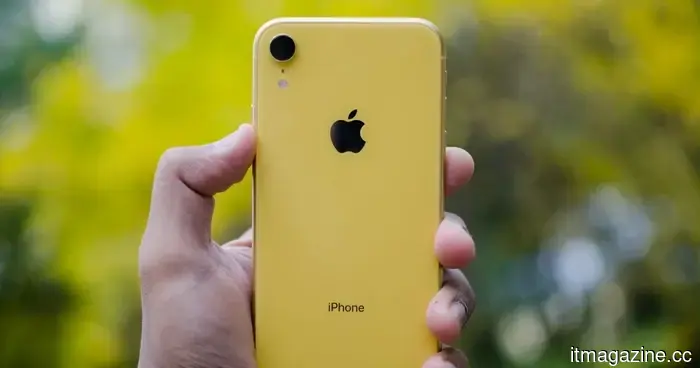 Apple should apply the Neo treatment to its upcoming iPhone 18e and I would definitely be interested.
Apple ought to evolve the iPhone 18e into a vibrant, compact, personality-centric “Neo” device rather than producing another minimalist iteration of its flagship series.
Apple should apply the Neo treatment to its upcoming iPhone 18e and I would definitely be interested.
Apple ought to evolve the iPhone 18e into a vibrant, compact, personality-centric “Neo” device rather than producing another minimalist iteration of its flagship series.
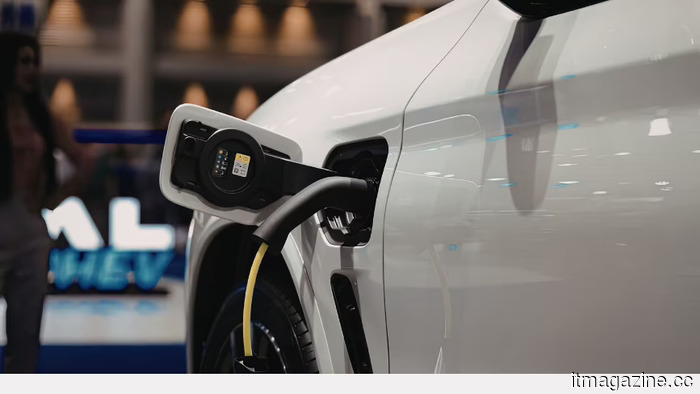 Bolt collaborates with China's Dongfeng to introduce an electric vehicle ride-hailing fleet in South Africa.
Bolt, asserting a market share of over 50% in South Africa following a $180 million investment, will provide riders in Cape Town with Dongfeng's Box and 007 electric vehicles in response to increasing fuel prices.
Bolt collaborates with China's Dongfeng to introduce an electric vehicle ride-hailing fleet in South Africa.
Bolt, asserting a market share of over 50% in South Africa following a $180 million investment, will provide riders in Cape Town with Dongfeng's Box and 007 electric vehicles in response to increasing fuel prices.
 Crypto hacks leveraging AI have siphoned off $600 million from DeFi, with North Korea taking advantage of the increase.
In April, two hacks resulted in North Korea-affiliated groups gaining $600 million from Drift Protocol and Kelp DAO. Analysts indicate that AI played a role in speeding up the assaults. Aave experienced a loss of $9 billion in deposits within just two days.
Crypto hacks leveraging AI have siphoned off $600 million from DeFi, with North Korea taking advantage of the increase.
In April, two hacks resulted in North Korea-affiliated groups gaining $600 million from Drift Protocol and Kelp DAO. Analysts indicate that AI played a role in speeding up the assaults. Aave experienced a loss of $9 billion in deposits within just two days.
 How tokenized real-world assets are addressing the counterparty issues in cryptocurrency.
Tokenized money market funds are transforming institutional crypto trading by separating custody from execution, reducing settlement failures, and ensuring capital remains yield-bearing continuously.
How tokenized real-world assets are addressing the counterparty issues in cryptocurrency.
Tokenized money market funds are transforming institutional crypto trading by separating custody from execution, reducing settlement failures, and ensuring capital remains yield-bearing continuously.
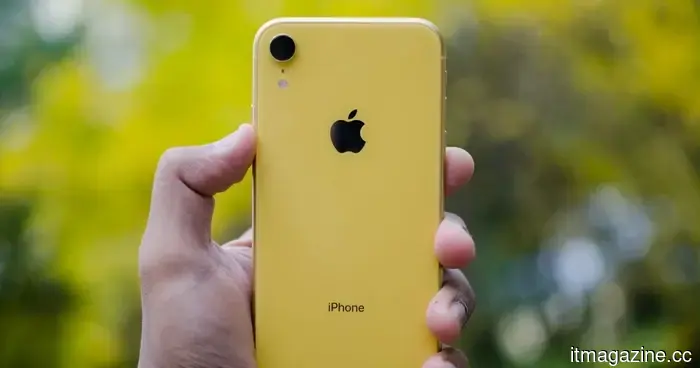 Apple should simply apply the Neo approach to its forthcoming iPhone 18e, and I'll be interested.
Apple ought to evolve the iPhone 18e into a vibrant, compact, personality-focused "Neo" device rather than producing yet another simplified variant of its flagship series.
Apple should simply apply the Neo approach to its forthcoming iPhone 18e, and I'll be interested.
Apple ought to evolve the iPhone 18e into a vibrant, compact, personality-focused "Neo" device rather than producing yet another simplified variant of its flagship series.
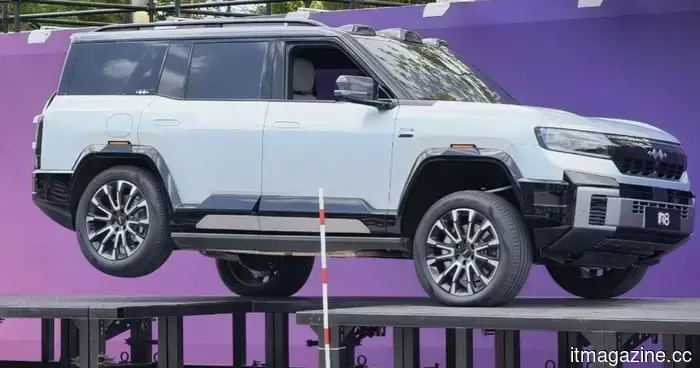 After excelling in range and charging capabilities, Chinese EV brands showcase three-wheel driving features in their SUVs.
Chinese electric vehicle brands are making active suspension their next highlight for SUVs, with BYD, Aito, and Li Auto showcasing three-wheel driving demonstrations that may assist with tire changes, recovery, and traversing rough terrain.
After excelling in range and charging capabilities, Chinese EV brands showcase three-wheel driving features in their SUVs.
Chinese electric vehicle brands are making active suspension their next highlight for SUVs, with BYD, Aito, and Li Auto showcasing three-wheel driving demonstrations that may assist with tire changes, recovery, and traversing rough terrain.
After excelling in range and charging, Chinese EV brands showcase three-wheel driving in SUVs.
Chinese electric vehicle brands are utilizing active suspension as a new feature for their SUVs, with BYD, Aito, and Li Auto showcasing three-wheel driving demonstrations that may assist with tire changes, recovery, and navigating rough terrain.