
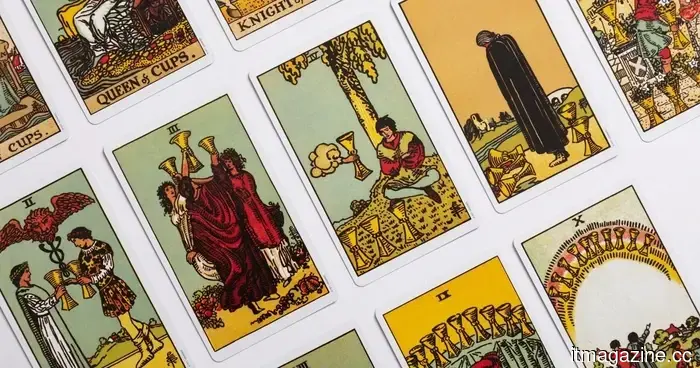
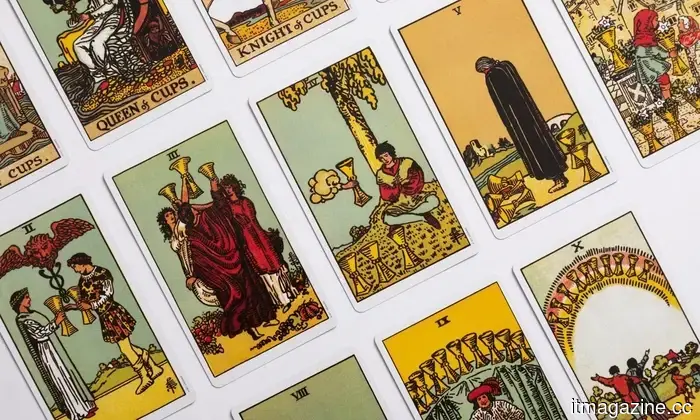
Tarot card readers are incorporating ChatGPT into their divination practices, and I am completely taken aback by this shift towards AI.
ChatGPT is aiding in the interpretation of tarot cards, but its assured responses might diminish the ambiguity that tarot relies on.
AI has started to infiltrate some of the most emotionally delicate aspects of life, ranging from eulogies to chatbots that simulate conversations with deceased individuals. Now, this technology is making its way into tarot card readings.
A 2026 study explored how tarot readers incorporate AI when interpreting cards for themselves, indicating a deviation from traditional productivity norms. Tarot readers are utilizing ChatGPT for inquiries that are personal, symbolic, and often unresolved.
The troubling aspect lies in the transition. Tarot encourages individuals to embrace uncertainty, while ChatGPT is designed to convert unclear inputs into definitive answers.
Why practitioners seek AI
The research identified two main trends among tarot practitioners. Some resorted to AI as a shortcut when a spread proved challenging to decipher, especially when the cards suggested multiple interpretations.
ChatGPT becomes appealing in these situations. Tarot thrives on interpretation, which can be a slow process. A chatbot can take conflicting symbols and deliver an interpretation that appears coherent, complete, and convincing.
Issues arise when the interpretation seems overly polished. A reading often succeeds because it leaves space for doubt, self-examination, and multiple meanings. ChatGPT lacks awareness of the complete emotional background behind the question, even if its answers convey confidence.
To what extent will this trend continue?
The same inclination is already evident in grief technology, AI associated with faith, and personal decision-making. Individuals no longer just rely on chatbots for organization; they seek assistance in making sense of their experiences.
Tarot makes this transition more visible because its work is inherently symbolic. A reader draws cards, considers context, and seeks meaning in the interplay of various interpretations.
The study also noted a more cautious application. Some readers used AI to challenge their beliefs, compare different readings, and highlight blind spots. In these instances, the valuable aspect was not certainty but rather resistance.
Who holds the ultimate authority?
The key point to monitor is control. ChatGPT can provide a different perspective, but it should not become the ultimate authority that concludes the reading.
A more prudent approach ensures that the reader remains involved. The chatbot can suggest a potential interpretation, but the individual must still assess it against the cards, the spread, the question, and their personal context.
This distinction extends beyond tarot. As AI becomes more integrated into areas such as grief, faith, advice, and memory, a straightforward rule applies: allow it to broaden the inquiry before letting it narrow it down.


Other articles
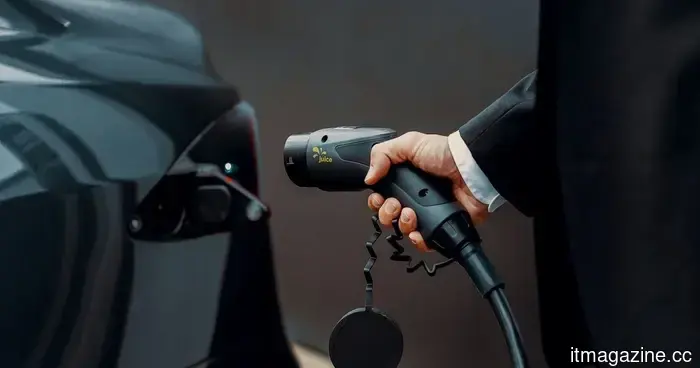 Research reveals that EV batteries only require a little AI enhancement to receive a significant 23% increase in their lifespan.
Researchers have created a charging system powered by AI that accelerates the charging of electric vehicles while simultaneously safeguarding battery health, which could lead to an increase in battery life of almost 23%.
Research reveals that EV batteries only require a little AI enhancement to receive a significant 23% increase in their lifespan.
Researchers have created a charging system powered by AI that accelerates the charging of electric vehicles while simultaneously safeguarding battery health, which could lead to an increase in battery life of almost 23%.
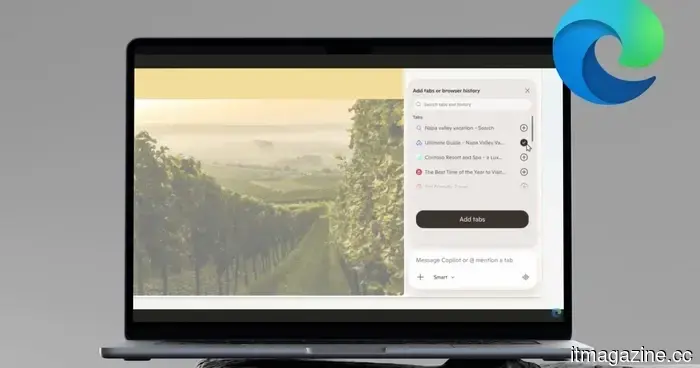 Microsoft introduces tab intelligence to the Edge browser, and I genuinely hope Apple incorporates it into Safari.
Microsoft has enhanced Edge by allowing Copilot to reason across all of your open tabs. This feature is truly beneficial, and it makes me hope that Apple will introduce something similar for Safari.
Microsoft introduces tab intelligence to the Edge browser, and I genuinely hope Apple incorporates it into Safari.
Microsoft has enhanced Edge by allowing Copilot to reason across all of your open tabs. This feature is truly beneficial, and it makes me hope that Apple will introduce something similar for Safari.
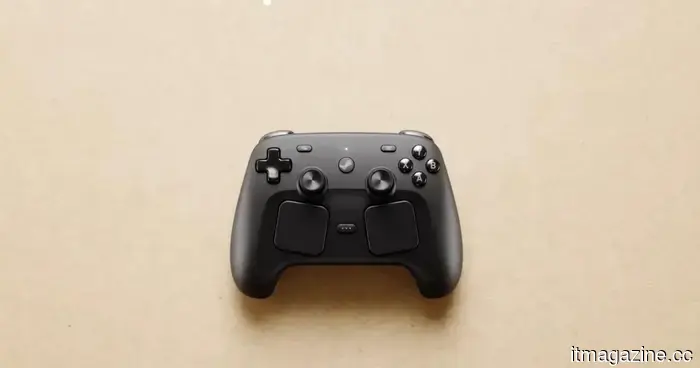 If you drop the Steam Controller, it will make a loud noise, and I’m unsure how to react to that.
Valve included a humorous Easter egg in the new Steam Controller, leading many to abandon their sold-out $99 controllers just to activate the famous Wilhelm scream.
If you drop the Steam Controller, it will make a loud noise, and I’m unsure how to react to that.
Valve included a humorous Easter egg in the new Steam Controller, leading many to abandon their sold-out $99 controllers just to activate the famous Wilhelm scream.
 Google may be working on a robust new Gemini AI model aimed at surpassing ChatGPT.
Google's upcoming Gemini model may close the AI gap, but the true challenge lies in its ability to capture developer routines, manage autonomous tasks, and make ChatGPT seem less robotic.
Google may be working on a robust new Gemini AI model aimed at surpassing ChatGPT.
Google's upcoming Gemini model may close the AI gap, but the true challenge lies in its ability to capture developer routines, manage autonomous tasks, and make ChatGPT seem less robotic.
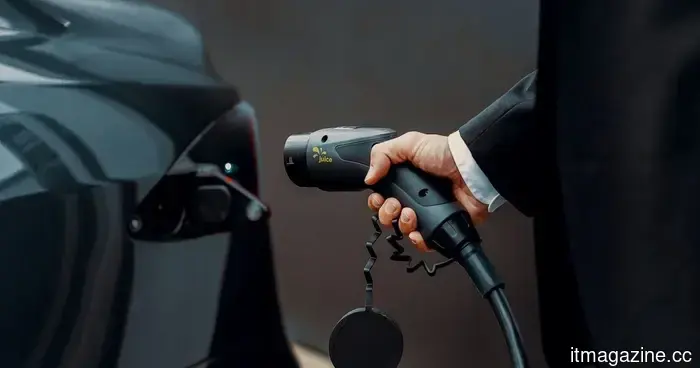 Research shows that EV batteries can receive a significant 23% increase in lifespan with just a little encouragement from AI.
Researchers have created an AI-driven charging system that accelerates electric vehicle charging while simultaneously safeguarding battery health, potentially increasing battery lifespan by almost 23%.
Research shows that EV batteries can receive a significant 23% increase in lifespan with just a little encouragement from AI.
Researchers have created an AI-driven charging system that accelerates electric vehicle charging while simultaneously safeguarding battery health, potentially increasing battery lifespan by almost 23%.
 More advertisements are being introduced on Netflix, even though there are already 250 million subscribers paying to watch content that includes ads.
Netflix's ad-supported plan now attracts 250 million active viewers each month. If you're subscribed to the lower-cost option, your experience with ads on Netflix is set to change in some notable ways.
More advertisements are being introduced on Netflix, even though there are already 250 million subscribers paying to watch content that includes ads.
Netflix's ad-supported plan now attracts 250 million active viewers each month. If you're subscribed to the lower-cost option, your experience with ads on Netflix is set to change in some notable ways.
Tarot card readers are incorporating ChatGPT into their divination practices, and I am completely taken aback by this shift towards AI.
Tarot card readers are utilizing ChatGPT to interpret their spreads, illustrating the transition of AI from aspects of productivity to areas involving grief, faith, and the search for meaning, where assured responses can diminish human uncertainty.