

I had my doubts regarding the Motorola Razr Fold, but it exceeded the limitations often associated with first-generation products quite impressively.
First-generation products typically come with an unseen warning label, particularly true for foldable devices. They can appear thrilling and ambitious, but there's often something amiss. It might be the noticeable crease on the bending screen or a hinge that feels unreliable. Even the design can seem delicate while projecting a premium appearance.
Thus, it's quite remarkable that the Motorola Razr Fold doesn't exude that feeling. This is Motorola's inaugural book-style foldable, after years of establishing its foldable identity with the iconic Razr series of flip phones. Unsurprisingly, one might anticipate some first-gen hesitance here. In this sector, companies like Samsung, Google, and Huawei have already dedicated years to refining their strategies. Nevertheless, the Razr Fold feels remarkably polished for a first attempt.
The Motorola Razr Fold successfully achieves many things on its first attempt.
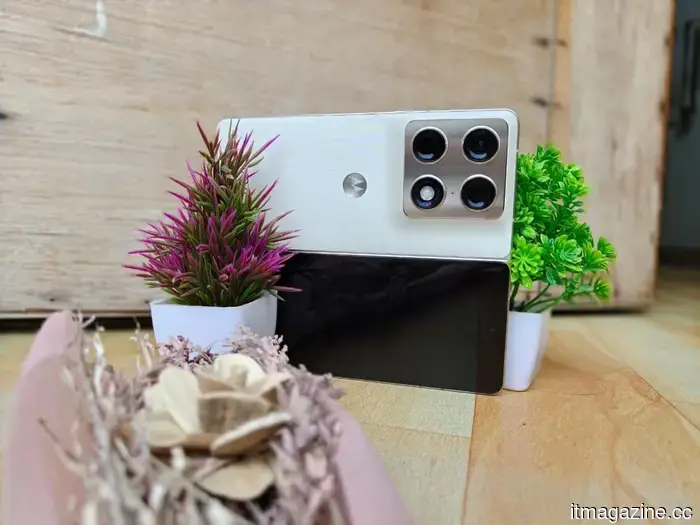
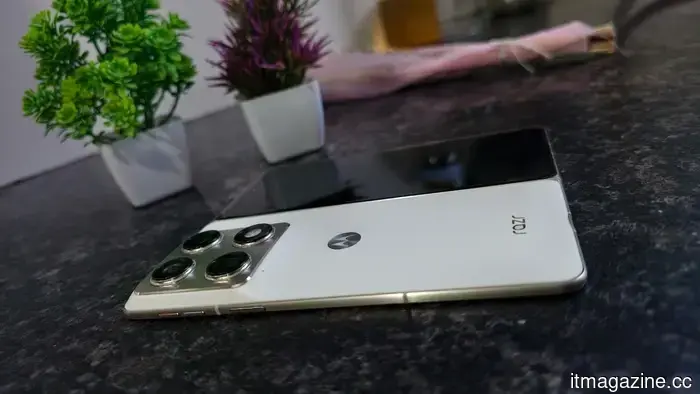
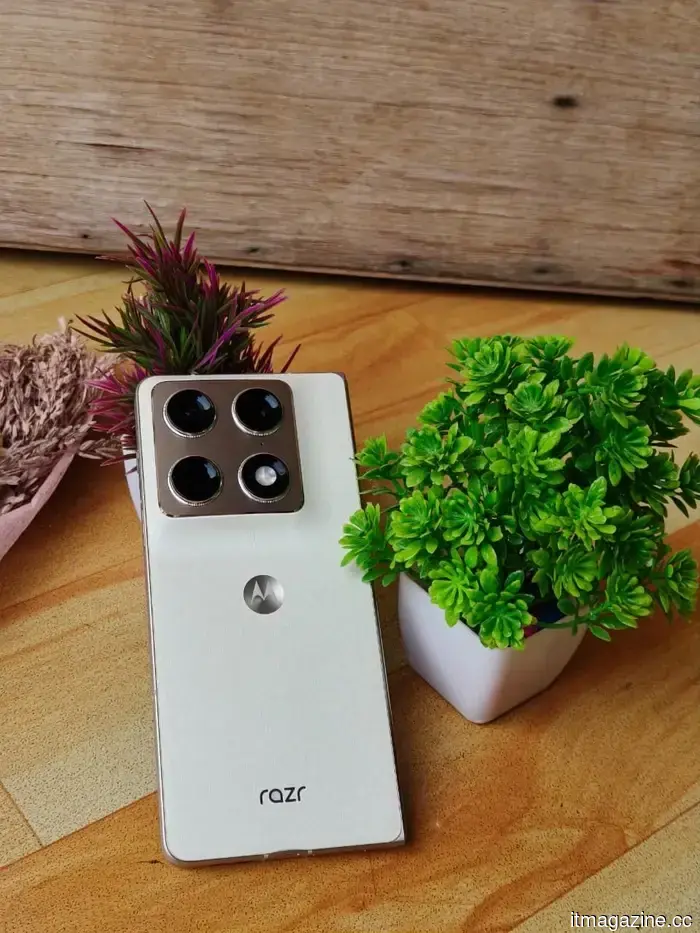
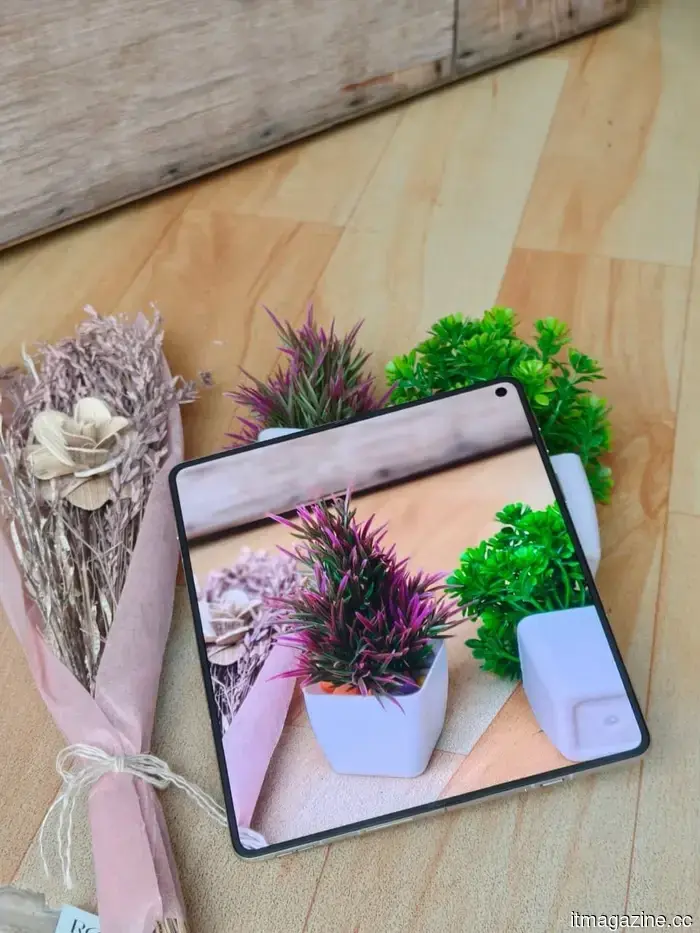
From the outset, the company aimed to create a genuine premium device, and it succeeded. The aluminum frame provides a solid foundation, and the rear finish adds more character compared to the typical glass-and-metal design. Motorola describes the Pantone Lily White version as having a silk-inspired finish with a subtle luster. This already sets it apart from most other foldables available.
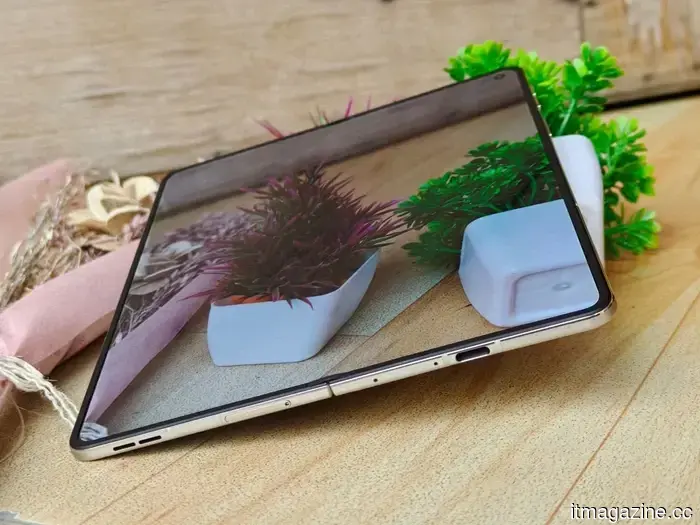
The chamfered edges are another unexpected advantage. They give the phone a sharper, cleaner feel in the hand, especially when closed. Foldables often turn into bulky bricks when shut, but the Razr Fold maintains an appearance of balance and purpose.
The hinge stands out as the true star here.
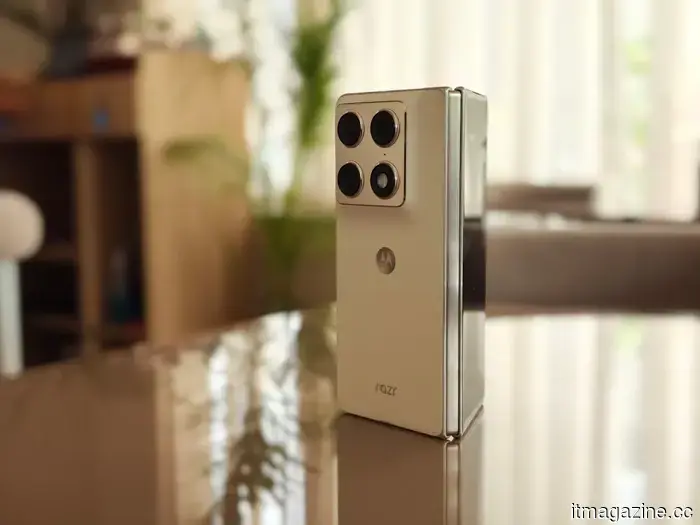
A book-style foldable's success hinges on the quality of the middle spine. If the hinge feels loose, stiff, uneven, or fragile, it undermines confidence immediately. The Motorola Razr Fold completely sidesteps this issue by feeling stable and controlled in hand. The action of opening and closing is smooth yet firm. It maintains angles well and never gives the impression of being Motorola's first attempt at this design.
Samsung’s own foldables, despite being among the most refined in the category, took years to achieve that level of quality. Only a couple of years ago, complaints about screen and hinge problems were still prevalent, with the intricate display-hinge mechanism posing costly issues. Foldable phones are mechanically complex, and they need time to truly evolve.
This is where Motorola makes a strong first impression. Equipped with a precisely engineered stainless steel teardrop hinge and a titanium inner screen plate, the device decreases creasing while enhancing the screen's durability. When unfolded, the phone measures 4.6mm and 9.9mm when folded, which is remarkably slim for a device with so much occurring inside.
The crease issue was addressed as well.
The teardrop fold design is crucial because it alters how the screen bends. Rather than forcing the panel into a harsher fold, the display curves into a gentler shape around the hinge area. Personally, I was pleasantly surprised by how much less visible the crease was compared to many other foldables I've recently used. It's not claiming to offer a creaseless experience, as seen with the Oppo Find N6, but the attention paid to this detail is commendable.
The Razr Fold is still a first-generation product, and its long-term durability will take time to establish. Spending a few days with a foldable can't resolve every concern about wear and tear. However, as an initial impression, this device is far more refined than I anticipated.
Other articles
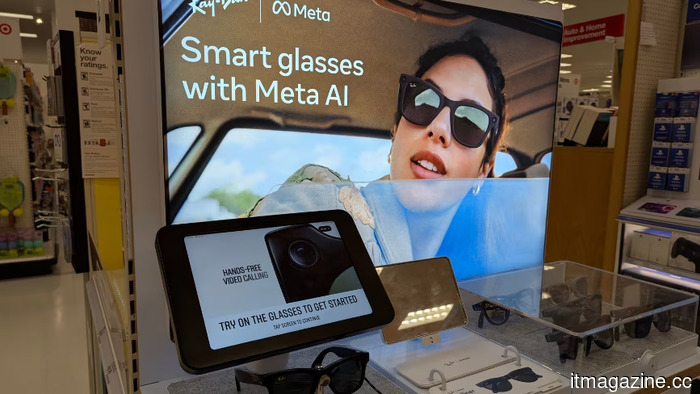 Meta's smart glasses are flying off the shelves, but those who are being recorded without their knowledge have no recourse.
Meta has sold 7 million pairs of Ray-Ban smart glasses and controls 82% of the market. There are reports of women being filmed without their knowledge, lawsuits are increasing, and companies like Apple, Google, and Snap are looking to enter the market.
Meta's smart glasses are flying off the shelves, but those who are being recorded without their knowledge have no recourse.
Meta has sold 7 million pairs of Ray-Ban smart glasses and controls 82% of the market. There are reports of women being filmed without their knowledge, lawsuits are increasing, and companies like Apple, Google, and Snap are looking to enter the market.
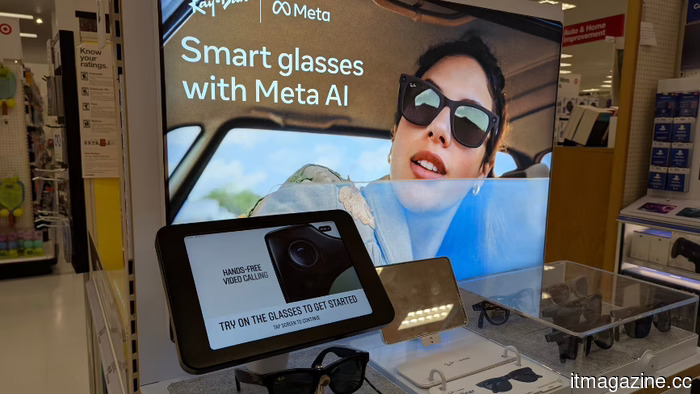 Meta's smart glasses are selling in the millions, yet those being filmed without their knowledge have no recourse.
Meta has sold 7 million pairs of Ray-Ban smart glasses and holds 82% of the market share. There are reports of women being filmed without consent, lawsuits are increasing, and companies like Apple, Google, and Snap are looking to enter the market.
Meta's smart glasses are selling in the millions, yet those being filmed without their knowledge have no recourse.
Meta has sold 7 million pairs of Ray-Ban smart glasses and holds 82% of the market share. There are reports of women being filmed without consent, lawsuits are increasing, and companies like Apple, Google, and Snap are looking to enter the market.
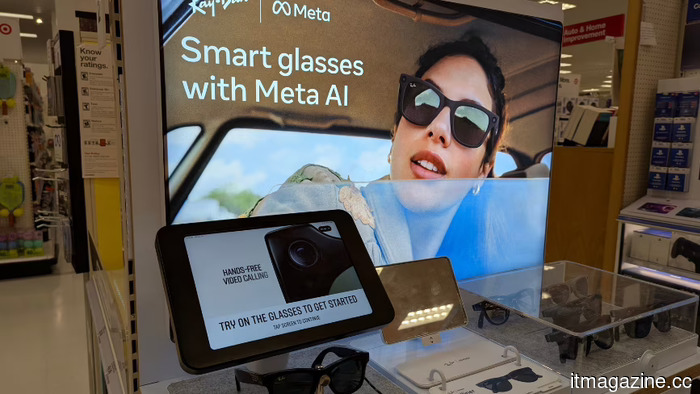 Meta's smart glasses are flying off the shelves, yet those being recorded without their knowledge have no way to respond.
Meta has sold 7 million pairs of Ray-Ban smart glasses, capturing 82% of the market. There have been incidents of women being filmed without consent, lawsuits are increasing, and companies like Apple, Google, and Snap are looking to enter the market.
Meta's smart glasses are flying off the shelves, yet those being recorded without their knowledge have no way to respond.
Meta has sold 7 million pairs of Ray-Ban smart glasses, capturing 82% of the market. There have been incidents of women being filmed without consent, lawsuits are increasing, and companies like Apple, Google, and Snap are looking to enter the market.
 JBL's latest Live 4 earbuds are available in three designs and feature a more advanced case with an integrated display.
JBL has refreshed its Live earbuds, offering three fit options, enhanced ANC, Hi-Res Audio, and a more intelligent touchscreen case that allows for additional controls directly from the case.
JBL's latest Live 4 earbuds are available in three designs and feature a more advanced case with an integrated display.
JBL has refreshed its Live earbuds, offering three fit options, enhanced ANC, Hi-Res Audio, and a more intelligent touchscreen case that allows for additional controls directly from the case.
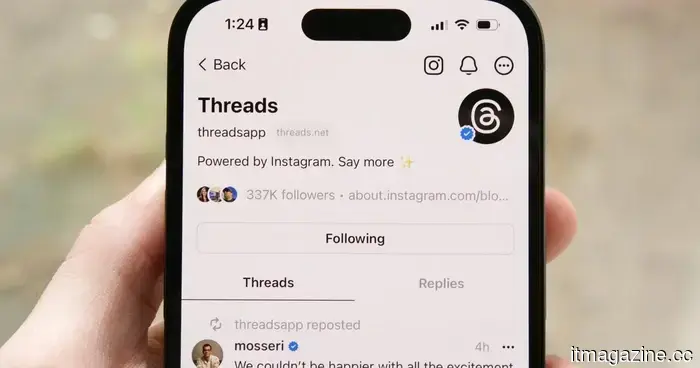 It's not possible to block Meta's AI bot on Threads. I'm not sure what we did to warrant this.
Threads users are angry after finding out that Meta's new AI chatbot cannot be blocked like other accounts on the platform.
It's not possible to block Meta's AI bot on Threads. I'm not sure what we did to warrant this.
Threads users are angry after finding out that Meta's new AI chatbot cannot be blocked like other accounts on the platform.
 The six largest banks on Wall Street eliminated 15,000 positions and reported $47 billion in profits. The CEOs ceased their pretense.
In the first quarter of 2026, the six largest banks in the U.S. eliminated 15,000 positions while earning $47 billion in profits. The CEOs acknowledged that AI played a significant role in these job cuts. JPMorgan, Citi, Goldman Sachs, Bank of America, and Wells Fargo are now sharing this information.
The six largest banks on Wall Street eliminated 15,000 positions and reported $47 billion in profits. The CEOs ceased their pretense.
In the first quarter of 2026, the six largest banks in the U.S. eliminated 15,000 positions while earning $47 billion in profits. The CEOs acknowledged that AI played a significant role in these job cuts. JPMorgan, Citi, Goldman Sachs, Bank of America, and Wells Fargo are now sharing this information.
I had my doubts regarding the Motorola Razr Fold, but it exceeded the limitations often associated with first-generation products quite impressively.
The Motorola Razr Fold might be the brand's initial foray into book-style foldables, yet its high-quality materials, robust hinge, and refined folding experience give it a sense of confidence that surpasses a typical first effort.