
Why LaceLocker believes that the future of wearables begins with what’s underneath the laces.
TL;DRLaceLocker® is establishing its footwear-based lacing system as a future platform for wearable safety and GPS-enabled technology. Founder Carol “Stash” Stanley envisions the future of wearables as integrated hardware that feels natural to use rather than as separate devices.
The next generation of wearables may focus more on embedding connectivity into everyday products instead of simply adding new gadgets. LaceLocker® sees the future of wearables as arising from integrated hardware platforms that fit seamlessly into daily life, encouraging collaboration among different technology sectors. Rather than depending on oversized accessories or isolated systems, the company aims for wearable innovation through compact solutions that integrate into familiar routines and enhance connectivity. In this regard, LaceLocker® positions itself as a scalable hardware platform ready for future GPS developments, licensing partnerships, and technological collaborations aimed at enhancing the experience of wearable safety solutions.
LaceLocker® originated from a personal incident that transformed founder Carol “Stash” Stanley's views on movement and safety. During a run, she experienced a fall due to a loose shoelace, a memory that stayed with her. This incident prompted her to explore a common issue that many people learn to live with, especially in sports, exercise, and daily activities.
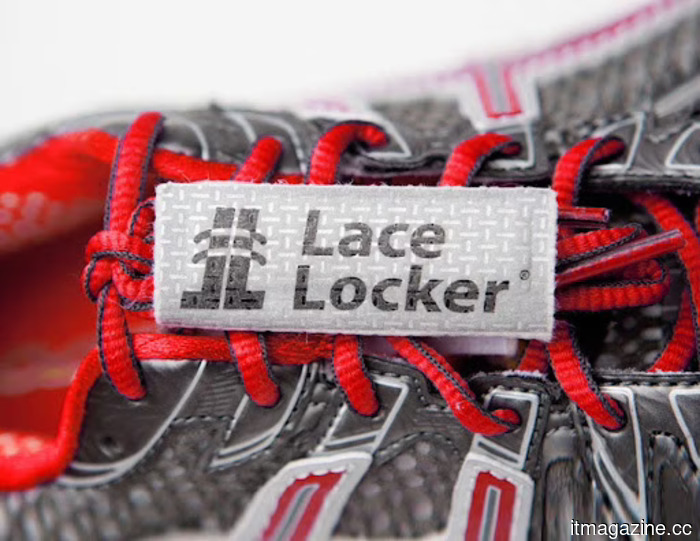
This reflection ultimately resulted in the creation of LaceLocker®, a compact device designed to secure shoelaces with adjustable tension while ensuring comfort, mobility, and ease of use across various shoe styles. “I kept thinking about how many preventable interruptions people accept during movement,” Stash remarks. “Sometimes innovation starts by improving a detail that people have long since stopped questioning.”
This perspective now shapes LaceLocker®’s role in the evolving wearable technology field. As wearable devices continue to expand into areas like health, connectivity, and personal safety, many still rely on wrist-based hardware or external clips that need frequent charging and separate user habits. LaceLocker® offers an alternative approach by incorporating functionality directly into footwear using a compact and adaptable mechanism that aligns with activities people undertake daily.
This unique approach has sparked increasing interest in LaceLocker® as a base for integrating GPS technology and connected safety applications. Stash is actively seeking partnerships with tech companies interested in incorporating existing tracking systems into the LaceLocker® ecosystem or collaborating on compact solutions tailored for the platform. This opportunity goes beyond simply adding another wearable gadget; it invites partners to rethink how wearable connectivity can manifest in a smaller, intuitively integrated form factor that fits into everyday movement.
This flexibility also enhances the platform’s relevance to various user groups. Stash states, “A secure lacing system doesn’t just keep shoes on your feet; it allows you to move with confidence. Athletes and runners feel securely locked in for intense training, hikers maintain stability on rough terrain, and children learning to tie their shoes gain both safety and a sense of independence.”
As discussions about wearable safety evolve, LaceLocker® opens new possibilities for neurodivergent children, including those with autism. Many caregivers search for products that enhance safety while ensuring comfort and familiarity throughout the day. Since LaceLocker® becomes part of a child’s existing shoe routine, it introduces future opportunities for GPS-enabled integration in a wearable format that fits comfortably into daily life.
“A child desires independence just like anyone else,” Stash explains. “When a product boosts safety while helping someone feel capable and included, it transforms into something far greater than mere hardware.” Her viewpoint reflects decades of experience in education, athletics, and student development, during which she learned that long-term product adoption occurs when they align with genuine human behavior rather than impose unnecessary complexity. This understanding guided the development of LaceLocker®, from its straightforward installation to its adaptability across various age groups, activity levels, and footwear styles.
The adjustable tension mechanism represents a significant advancement in the footwear accessory market. While elastic lace systems often focus solely on convenience, LaceLocker® enables users to maintain personalized support and fit while securing laces through a more controlled approach. This combination of functionality and adaptability enhances the company's broader relevance across sports, outdoor activities, educational environments, and child safety applications.
As opportunities continue to expand, LaceLocker® has created a framework for collaboration and scalability. Stash has already established manufacturing facilities, supplier partnerships, and customization options, allowing organizations to incorporate logos, branding, and private-label collaborations into their products. This framework offers potential for athletic brands, outdoor companies, shoe distributors, and tech firms seeking wearable platforms that enable wider connectivity initiatives.
The intellectual property associated with LaceLocker® further enhances its potential for licensing in the wearable technology and child safety sectors. For investors and strategic partners, the company represents a platform with established operational foundations and room for future growth through connected technological development. Stash is convinced that the most successful partnerships arise when innovation aligns with meaningful purpose and commercial expansion.
This belief stems from her mother, Cassie Stanley, whose influence shapes the LaceLocker® Scholarship Fund. Although Cassie completed only up to eighth grade, she consistently emphasized the importance of education, perseverance, and self-discovery
Other articles
 5 amazing free films to enjoy on New Year’s Day
From light, enjoyable films to those that allow for a deeper engagement, these free movies cater to various New Year’s Day vibes. Each title can be streamed without needing a subscription, so you can jump right in without any hesitation.
5 amazing free films to enjoy on New Year’s Day
From light, enjoyable films to those that allow for a deeper engagement, these free movies cater to various New Year’s Day vibes. Each title can be streamed without needing a subscription, so you can jump right in without any hesitation.
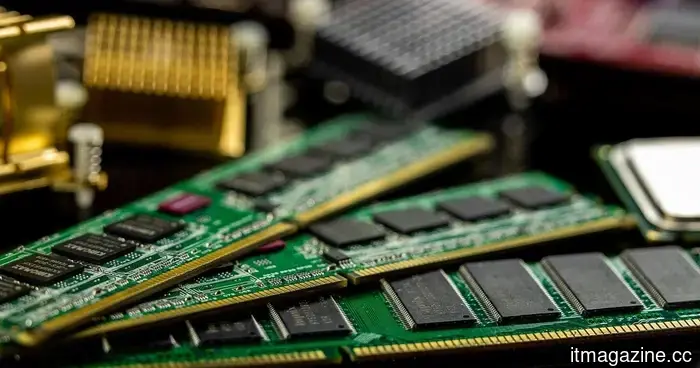 Counterfeit DDR5 RAM modules are now incorporating plastic chips to deceive consumers.
Reports indicate that counterfeit DDR5 RAM sticks, complete with fake labels and even dummy plastic chips, are saturating PC markets as memory prices increase.
Counterfeit DDR5 RAM modules are now incorporating plastic chips to deceive consumers.
Reports indicate that counterfeit DDR5 RAM sticks, complete with fake labels and even dummy plastic chips, are saturating PC markets as memory prices increase.
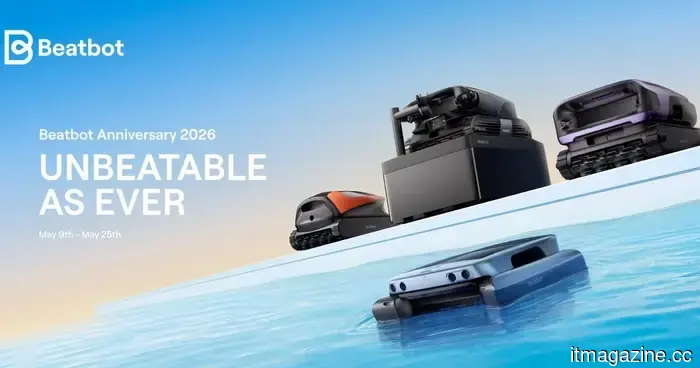 Beatbot’s Anniversary Campaign Makes Pool Cleaning a More Intelligent Purchasing Choice
Beatbot’s Anniversary Campaign simplifies the adoption of robotic pool cleaning by introducing smarter enhancements across Sora, AquaSense X, and iSkim, all aimed at decreasing manual labor and enhancing coverage.
Beatbot’s Anniversary Campaign Makes Pool Cleaning a More Intelligent Purchasing Choice
Beatbot’s Anniversary Campaign simplifies the adoption of robotic pool cleaning by introducing smarter enhancements across Sora, AquaSense X, and iSkim, all aimed at decreasing manual labor and enhancing coverage.
 The Canvas breach affected students at the most inconvenient moment, serving as a wake-up call for educational institutions everywhere.
A platform that numerous schools rely on for examinations, grades, and daily assignments experienced a shutdown at an incredibly inopportune time. With hackers asserting that they possess millions of student records, the Canvas breach is provoking critical concerns regarding digital security in the education sector.
The Canvas breach affected students at the most inconvenient moment, serving as a wake-up call for educational institutions everywhere.
A platform that numerous schools rely on for examinations, grades, and daily assignments experienced a shutdown at an incredibly inopportune time. With hackers asserting that they possess millions of student records, the Canvas breach is provoking critical concerns regarding digital security in the education sector.
 A leading competitor to the Kindle is enhancing its design, and you'll likely be interested in this e-reader.
The new Onyx Boox Poke 7 series introduces a modern and sleek design to the e-reader market, while still competing with Kindle by offering Android flexibility.
A leading competitor to the Kindle is enhancing its design, and you'll likely be interested in this e-reader.
The new Onyx Boox Poke 7 series introduces a modern and sleek design to the e-reader market, while still competing with Kindle by offering Android flexibility.
 Apple may introduce automatic tab groups in Safari for iOS 27 and macOS.
Apple is said to be experimenting with AI-driven automatic tab grouping for Safari in iOS 27 and macOS 27 to assist users in organizing their browsing sessions more effectively.
Apple may introduce automatic tab groups in Safari for iOS 27 and macOS.
Apple is said to be experimenting with AI-driven automatic tab grouping for Safari in iOS 27 and macOS 27 to assist users in organizing their browsing sessions more effectively.
Why LaceLocker believes that the future of wearables begins with what’s underneath the laces.
LaceLocker is investigating a new path for wearable technology by incorporating hardware into footwear, enabling GPS connectivity, and including built-in safety features.