

Apple may introduce automatic tab groups in Safari for iOS 27 and macOS.
Digital Trends may receive a commission if you make a purchase through the links on our site. Why trust us?
AI-driven tab organization is reportedly on the horizon.
Onur Binay / Unsplash
Safari may soon introduce a feature that tab hoarders have long been waiting for. Apple is said to be utilizing AI to tidy up the chaos.
Is it possible that Safari in iOS 27 will finally organize your messy tabs automatically?
As per Mark Gurman's latest newsletter, Apple is testing a new feature for Safari in iOS 27, iPadOS 27, and macOS 27 that can automatically group browser tabs. This feature enhances Safari’s existing Tab Groups function, which allows users to categorize tabs for work, travel, recipes, or personal browsing.
Apple
Rather than having to sort everything by hand, Safari might soon automatically organize tabs by browsing themes and user behavior. In test versions of iOS 27, there’s reportedly a new “Organize Tabs” option available within Safari. When activated, the system can automatically categorize tabs based on frequently visited topics.
Shikhar Mehrotra / Digital Trends
It is important to note that Apple isn’t explicitly labeling this as an Apple Intelligence feature, but it’s clear that tabs don’t organize themselves. Some form of AI is undoubtedly managing the task behind the scenes. Furthermore, the system operates quietly and passively, meaning users won't need to frequently manage or relabel groups. Instead, Safari will autonomously keep related tabs grouped over time.
Is AI being used correctly?
There has been considerable discussion about enhancing Safari’s tab features to improve usability, and it’s refreshing to see Apple finally implementing helpful changes. This aligns well with the anticipated focus of iOS 27. Instead of flashy redesigns or gimmicky chatbots, this kind of feature is likely something users will utilize daily without much thought.
jotform / Unsplash
Apple appears to be focusing on refining usability and systematically addressing long-standing minor annoyances, which could prove to be a more pragmatic strategy.
Varun is a seasoned technology journalist and editor with over eight years of experience in consumer tech media. His work covers…
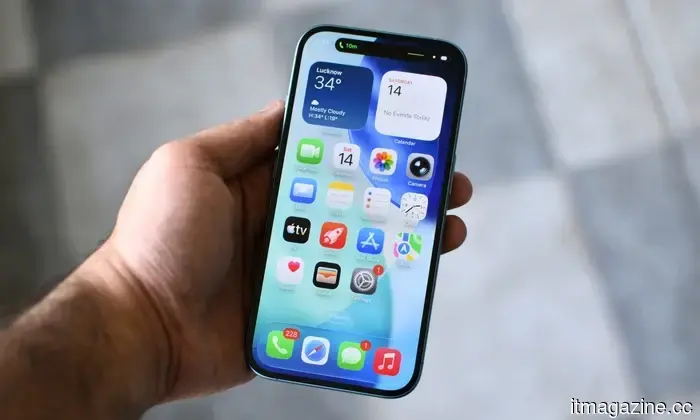
I thought I needed an iPhone Pro until I started considering how I actually use it
For a time, I was convinced that I had to upgrade to an iPhone Pro. It wasn't because I genuinely assessed my requirements from a phone, but rather due to persuasive marketing. The allure of triple cameras, a titanium build, and a ProMotion display created a lingering notion that choosing the standard iPhone would mean settling. It felt like I’d be missing out on the “true” experience. However, I shifted my focus from specs to my actual usage, and the rationale for opting for a Pro gradually disintegrated.
Apple sure knows how to make one question the regular iPhone.
Read more
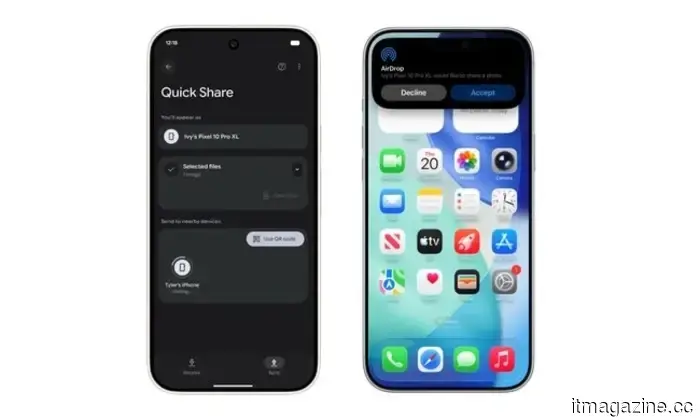
I used to dread transferring files between devices — now it's hardly an issue
My work requires me to share files constantly, and with a mix of iPhones, Android devices, and a MacBook in my daily routine, transferring files between them was often more tedious than it should have been. A simple task like transferring a photo or video from an Android phone to my MacBook frequently turned into a multi-step ordeal. Typically, I had to upload files to Google Drive, wait for synchronization, and then download them on another device. It appears manageable when described once, but repeating that multiple times a day quickly becomes a drain on both time and patience.
This challenge stemmed largely from tech ecosystems that have historically created barriers. Apple's walls were particularly high, but Android had its own limitations as well. For a long time, it seemed that no one was keen on facilitating smooth cooperation between these devices. However, over time, that situation has begun to change. The impact on my daily workflow has been far more significant than I expected.
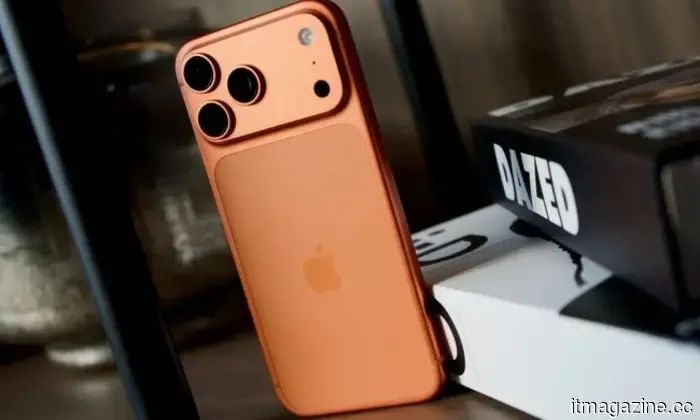
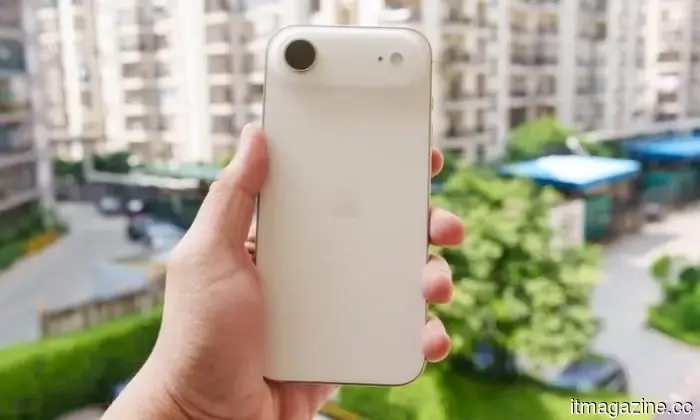
The iPhone Air demonstrates why smaller phones remain the preferable choice
While ultra-slim phones are attractive, compact devices tackle the real issue.
I understand the allure of sleek devices like the iPhone Air and Galaxy S25 Edge. Upon picking them up, they provide a distinctly different feel compared to a standard smartphone. The iPhone Air is incredibly thin at 5.64mm, weighing only 165 grams, yet still features a large 6.5-inch OLED display with ProMotion.
In terms of comfort, Apple gets it right for this form factor. Many smartphones today can be tiresome to handle in a specific way — they're either too tall, bulkily weighted with cameras, or cumbersome to hold and use with one hand over extended periods. The iPhone Air minimizes this fatigue by being both lighter and slimmer.
Read more




Other articles
 macOS 27 will refine the Liquid Glass design concept, though nothing overly drastic.
Apple is said to be enhancing the Liquid Glass interface in macOS 27 to boost readability, transparency effects, and general usability while keeping significant design alterations to a minimum.
macOS 27 will refine the Liquid Glass design concept, though nothing overly drastic.
Apple is said to be enhancing the Liquid Glass interface in macOS 27 to boost readability, transparency effects, and general usability while keeping significant design alterations to a minimum.
 5 excellent free films to enjoy on New Year’s Day
From light, entertaining films to those that allow you to really immerse yourself, these free movies cater to various moods on New Year’s Day. Each one can be streamed without a subscription, so you can begin watching without any hassle.
5 excellent free films to enjoy on New Year’s Day
From light, entertaining films to those that allow you to really immerse yourself, these free movies cater to various moods on New Year’s Day. Each one can be streamed without a subscription, so you can begin watching without any hassle.
 Mercedes-Benz builds excitement for the forthcoming AMG.EA, positioning it as an electric vehicle worth the wait.
George Russell stated the power was "very easy" to handle. The engineering team referred to it as the most challenging project in AMG's history. Both statements are accurate.
Mercedes-Benz builds excitement for the forthcoming AMG.EA, positioning it as an electric vehicle worth the wait.
George Russell stated the power was "very easy" to handle. The engineering team referred to it as the most challenging project in AMG's history. Both statements are accurate.
 Intel's turnaround is remarkable, yet it hasn't produced significant visible results.
Intel's stock has surged due to optimism around its foundry ambitions, support from the government, and collaborations with prominent partners. However, the company must demonstrate that its resurgence relies on more than just investor faith.
Intel's turnaround is remarkable, yet it hasn't produced significant visible results.
Intel's stock has surged due to optimism around its foundry ambitions, support from the government, and collaborations with prominent partners. However, the company must demonstrate that its resurgence relies on more than just investor faith.
 Asus introduces the ROG Strix XG129C, a small secondary display aimed at competing with Elgato’s gaming offerings.
The Asus ROG Strix XG129C is a 12.3-inch touchscreen that conveniently sits underneath your main monitor, offers 125% sRGB coverage, and includes a one-year subscription to AIDA64 Extreme for real-time hardware monitoring.
Asus introduces the ROG Strix XG129C, a small secondary display aimed at competing with Elgato’s gaming offerings.
The Asus ROG Strix XG129C is a 12.3-inch touchscreen that conveniently sits underneath your main monitor, offers 125% sRGB coverage, and includes a one-year subscription to AIDA64 Extreme for real-time hardware monitoring.
 A leading competitor to the Kindle is enhancing its design, and you'll likely be interested in this e-reader.
The new Onyx Boox Poke 7 series introduces a modern and sleek design to the e-reader market, while still competing with Kindle by offering Android flexibility.
A leading competitor to the Kindle is enhancing its design, and you'll likely be interested in this e-reader.
The new Onyx Boox Poke 7 series introduces a modern and sleek design to the e-reader market, while still competing with Kindle by offering Android flexibility.
Apple may introduce automatic tab groups in Safari for iOS 27 and macOS.
Apple is said to be experimenting with AI-driven automatic tab grouping for Safari in iOS 27 and macOS 27 to assist users in organizing their browsing sessions more effectively.