
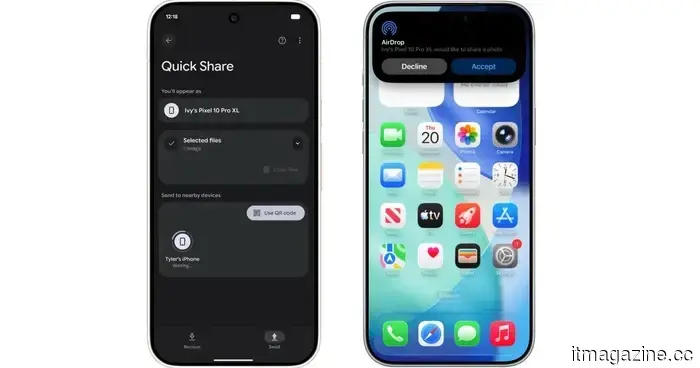
I used to find transferring files between devices stressful — now I hardly give it a second thought.
The type of work I engage in requires frequent file sharing, and with iPhones, Android phones, and a MacBook all being a part of my daily routine, transferring files among these devices used to be far more tiring than it needed to be. Transferring something as straightforward as a photo or video from an Android phone to my MacBook often became a cumbersome process. Most of the time, I had to upload files to Google Drive, wait for them to sync, and then download them again on the other device. While this may seem manageable when described once, repeating that cycle several times a day quickly becomes a drain on both time and patience.
This situation largely stemmed from ecosystems having spent years erecting barriers around themselves. Apple’s walls were particularly high, while Android also had its own limitations. For a long time, it appeared that there was little interest in ensuring these devices could work together seamlessly. However, things started to change along the way. Honestly, the impact this has had on my day-to-day workflow is far greater than I anticipated.
The age of indirect file sharing
Cloud storage emerged as the go-to solution simply because it was the least frustrating option available. However, "least frustrating" didn’t equate to being effective. Uploading a file, waiting for it to sync, and then downloading it again unnecessarily delayed what should have been an instant process. Even worse, it linked basic file sharing to internet reliability, which became painfully clear whenever I worked with large video files or faced unreliable connectivity.
I explored nearly every workaround I could think of. Third-party apps like SHAREit and Xender technically worked, but came with their own set of frustrations — advertisements everywhere, random prompts, inconsistent speeds, and the occasional sensation of battling the app instead of actually transferring files. At one point, I even resorted to emailing files to myself because, somehow, that felt easier.
Apple
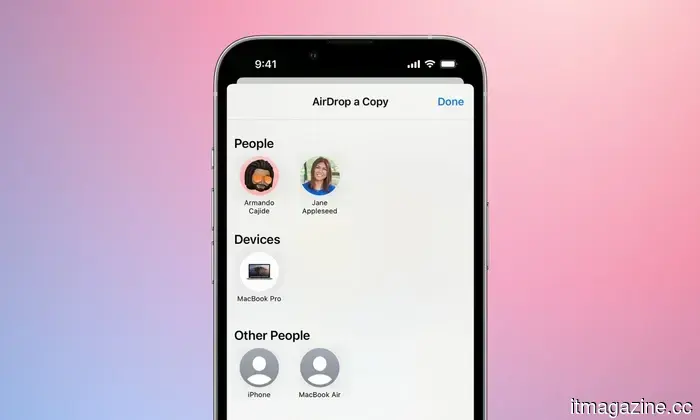
The frustrating part was knowing how effortless this experience already was within Apple’s own ecosystem. AirDrop between an iPhone and a MacBook is truly remarkable. It is fast, local, and seamless in a way that makes traditional file transfers seem outdated. The issue arose as soon as an Android phone entered the mix; that smooth experience vanished immediately.
I only attempted it because I had run out of patience.
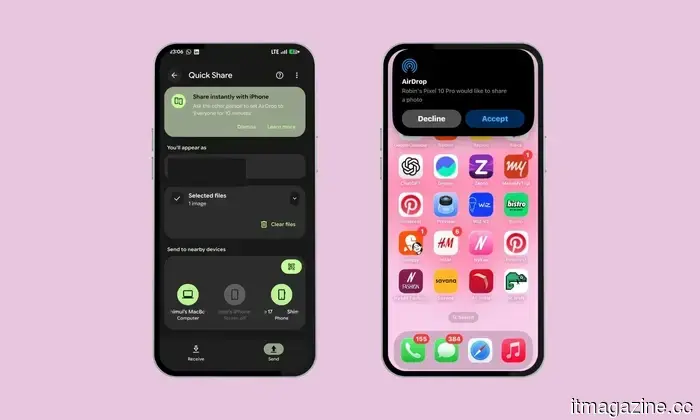
Interestingly, this change didn’t come with any grand keynote or dramatic announcement. It simply began happening gradually in the background. Google slowly expanded Quick Share beyond Android devices, and suddenly, sharing files with Macs and iPhones no longer seemed impossible. To my surprise, Apple also became somewhat more flexible regarding how these interactions occurred. Nonetheless, I kept my expectations in check. Years of disappointing "cross-platform" solutions had conditioned me to brace for convenience in theory and frustration in practice. I assumed Quick Share would work flawlessly between Android devices but become unreliable the instant a MacBook or iPhone was involved, so I ignored it for a long time.
Nadeem Sarwar / Digital Trends
Then one day, out of sheer desperation, I gave it a try. I was on a shoot with poor internet connectivity and needed to transfer a video clip from an Android phone to my MacBook quickly. Someone casually mentioned that Quick Share now worked with Macs. At that point, having exhausted better options, I decided to try it without high hopes. Within a few seconds, the file appeared on my MacBook, right where I needed it, almost instantly. That moment truly transformed my perspective on cross-platform file sharing.
The best part is that I hardly notice it anymore.
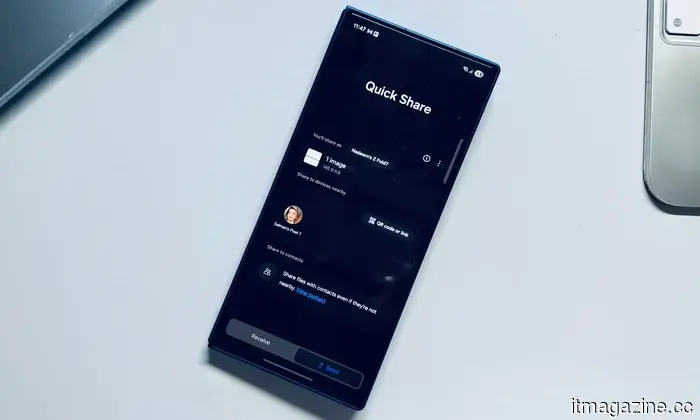
What surprised me most was how effortless the entire process feels now. On an Android phone, I open Quick Share, nearby devices show up almost instantly, and I send the file to my iPhone or MacBook. That's all there is to it. It finally feels as if the devices are communicating directly without needing a server as a middleman. Even the experience on the Apple side feels significantly less restrictive now. While it still may not match the polish of AirDrop between two Apple devices — that level of quality is challenging to replicate — it is close enough that I rarely notice any difference in daily use. What matters more is that it feels trustworthy. I no longer approach a transfer expecting something to go wrong halfway through.
Shimul Sood / Digital Trends
That reliability alters your relationship with these devices in subtle ways. Previously, every file transfer came with a small mental pause: “How frustrating is this about to become?” That hesitation has vanished now. Screenshots, photos, video clips, PDFs — everything transfers quickly enough that I hardly contemplate the process anymore. It recedes into the background, which is precisely how effective technology should function. That is perhaps the greatest compliment I can give this entire shift. It no longer feels like some specialty feature I consciously use. It simply feels normal, as though this is how file transfers should have operated years ago.
Other articles
 Anthropic claims that Claude acquired the ability to blackmail by studying narratives featuring malevolent AI.
Anthropic has linked Claude's pre-release blackmail actions to online content that depicts AI as malevolent and focused on self-preservation.
Anthropic claims that Claude acquired the ability to blackmail by studying narratives featuring malevolent AI.
Anthropic has linked Claude's pre-release blackmail actions to online content that depicts AI as malevolent and focused on self-preservation.
 Credit card dimensions: This fully operational computer is also equipped with an e-ink display.
The open-source Muxcard combines a working computer, E Ink display, NFC, and wireless connectivity into a compact, credit card-sized design.
Credit card dimensions: This fully operational computer is also equipped with an e-ink display.
The open-source Muxcard combines a working computer, E Ink display, NFC, and wireless connectivity into a compact, credit card-sized design.
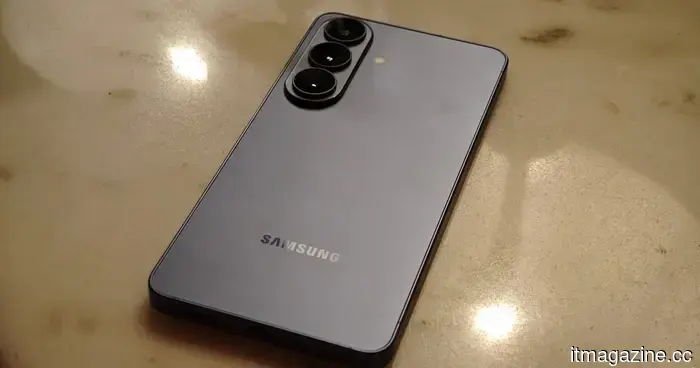 I allowed this Galaxy S26 feature to manage my battery, and it truly functions well.
The Device Care functions of the Galaxy S26 manage battery health, background applications, and system optimization in a way that truly impacts performance over time. After initial setup, it generally remains unobtrusive, allowing you to use your phone with ease.
I allowed this Galaxy S26 feature to manage my battery, and it truly functions well.
The Device Care functions of the Galaxy S26 manage battery health, background applications, and system optimization in a way that truly impacts performance over time. After initial setup, it generally remains unobtrusive, allowing you to use your phone with ease.
 Dutch company Eyeo secures €40 million to develop NCOS color-splitting image sensors for commercial use.
Eyeo has completed a €40 million Series A funding round led by Innovation Industries to advance its Nanophotonic Color Splitting sensor technology developed by imec.
Dutch company Eyeo secures €40 million to develop NCOS color-splitting image sensors for commercial use.
Eyeo has completed a €40 million Series A funding round led by Innovation Industries to advance its Nanophotonic Color Splitting sensor technology developed by imec.
 Amazon is set to issue its inaugural Swiss franc bond as part of a six-part initiative focused on AI capital expenditures.
Amazon has appointed BNP Paribas, Deutsche Bank, and JPMorgan for its inaugural bond issuance in Swiss francs.
Amazon is set to issue its inaugural Swiss franc bond as part of a six-part initiative focused on AI capital expenditures.
Amazon has appointed BNP Paribas, Deutsche Bank, and JPMorgan for its inaugural bond issuance in Swiss francs.
 Anthropic reports that Claude learned the concept of blackmail through stories about malicious AI.
Anthropic has linked Claude's pre-release blackmail actions to online content that depicts AI as malevolent and self-protective.
Anthropic reports that Claude learned the concept of blackmail through stories about malicious AI.
Anthropic has linked Claude's pre-release blackmail actions to online content that depicts AI as malevolent and self-protective.
I used to find transferring files between devices stressful — now I hardly give it a second thought.
For a long time, transferring a file between my iPhone, Android phone, and MacBook felt like trying to broker peace between opposing countries. But now, without any major announcement, the conflict has ended — and my workflow has never been more serene.