
Research indicates that social media friends don’t necessarily reduce feelings of loneliness.
My friends and I on Discord feel overlooked.
While social media serves as a means to connect individuals, a recent study indicates that it may not truly bring you together with those you cherish or alleviate loneliness. Researchers from Oregon State University examined over 1,500 adults in the US between the ages of 30 and 70, exploring the relationship between various types of social media connections and feelings of loneliness. The results? Online acquaintances you’ve never met in real life might actually exacerbate feelings of loneliness.
Why online strangers might be an issue
According to the research, social media ties to individuals whom users have never encountered in person were frequently linked to heightened feelings of loneliness; it was also found that 35% of participants' social media connections consisted of people they had not met offline. Conversely, the researchers noted that engaging online with people you are familiar with in real life was not associated with increased loneliness, but it also did not lead to a decrease in loneliness.
In simpler terms, even known social media contacts might not deliver the emotional fulfillment that people anticipate.
The boundaries of online connections
Study leader Brian Primack mentioned that individuals who feel lonely should reassess how they interact with strangers on social networks, even if those online connections feel intimate. He emphasized that fostering in-person relationships is more crucial than those made through social media.
The situation is compounded by relationships. Co-author Jessica Gorman pointed out that online interactions can lead individuals to idealize others’ friendships, intensifying social comparison. This effect is even more pronounced with individuals you have never met because there’s no real-life context to balance the impressions formed online.
Most social media research focuses on teenagers and young adults; however, this study is unique as it examines midlife and older adults, a demographic that constitutes a significant portion of the US population and is heavily engaged with social media.
The best piece of advice I ever followed was deleting Instagram, which brought relief to my stressed mind.
I won’t sugarcoat it; I became addicted to Instagram. For a long time, I didn’t realize how much it was affecting my mental state. Admittedly, it sounds exaggerated, but the impact gradually escalated. I became so accustomed to watching Instagram reels that my attention span dwindled for anything longer. Watching a full YouTube video felt like a significant investment, and it was hard to read without constantly checking my phone. The most frustrating part was knowing the reason behind it all.
I attempted typical solutions—setting app timers, trying apps designed to curb doomscrolling, and promising myself I would reduce my usage. Some days it worked, most days it did not. I still found myself opening Instagram without a second thought. Eventually, I stopped trying to manage it and simply deleted the app from my iPhone. Honestly, that small action helped me more than all my previous attempts.
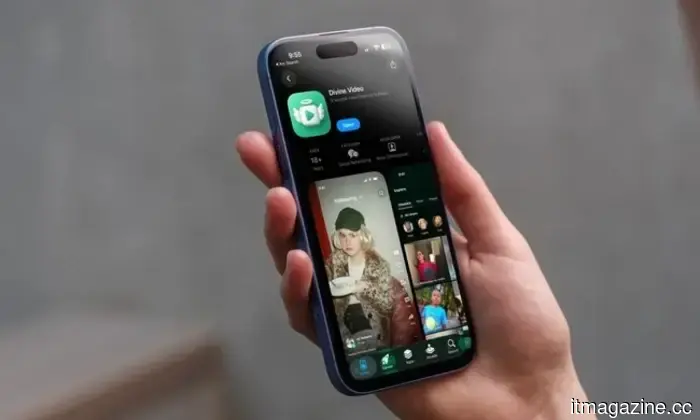
Vine is back, and it's called Divine.
The six-second videos that inspired countless creators are making a comeback and, this time, they aim to stay for good. Divine, a reboot of Vine backed by Twitter co-founder Jack Dorsey, is now available on the App Store and Google Play. The app revives around 500,000 archived Vine videos, allowing creators to once again share new six-second looping clips. As reported by TechCrunch, Dorsey's nonprofit, "and Other Stuff," provided funding for the project, and he seeks no financial return; instead, his simpler aim is to rectify the mistake made when Vine was shut down in 2017.
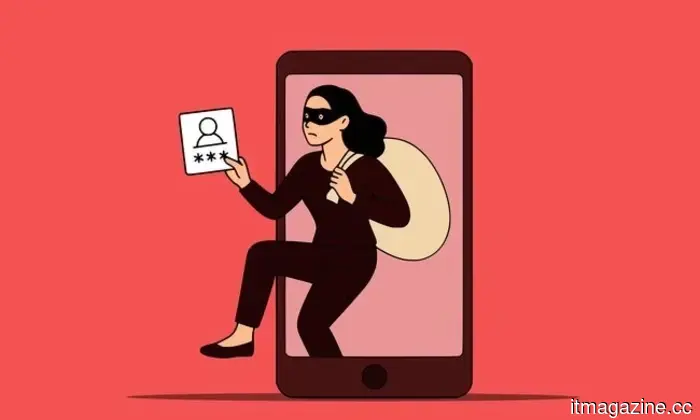
Social media scams led to over two billion dollars in consumer losses last year.
With Facebook scams dominating, social media has become America's primary hotbed for scams. The Federal Trade Commission (FTC) reported that consumers experienced $2.1 billion in losses due to platform-based fraud in 2025, a figure that has surged eightfold in just five years. Nearly one in three scam victims indicated that the fraud began on a social media platform. Why is Facebook such a major target?


Other articles
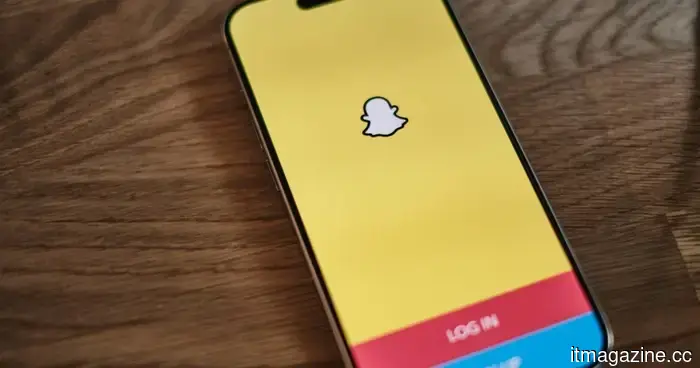 Perplexity's AI answering engine will not be available on Snapchat, after all.
Snapchat has abandoned its Perplexity AI search initiative, leading to new inquiries about the degree to which users desire AI integration in social applications.
Perplexity's AI answering engine will not be available on Snapchat, after all.
Snapchat has abandoned its Perplexity AI search initiative, leading to new inquiries about the degree to which users desire AI integration in social applications.
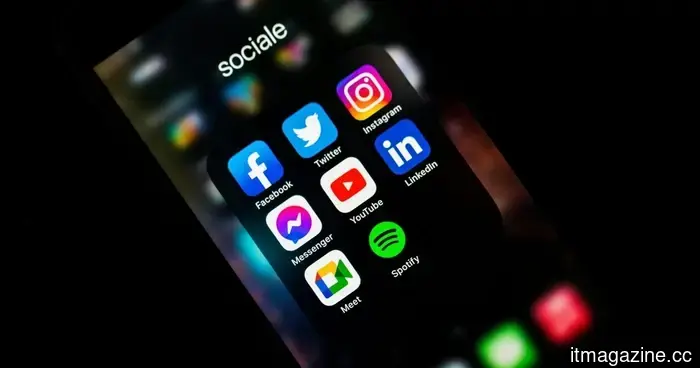 Research reveals that having friends on social media may not actually reduce feelings of loneliness.
A recent study involving over 1,500 adults discovered that online interactions with unfamiliar individuals were associated with increased feelings of loneliness, whereas face-to-face interactions did not show a definitive decrease in loneliness levels.
Research reveals that having friends on social media may not actually reduce feelings of loneliness.
A recent study involving over 1,500 adults discovered that online interactions with unfamiliar individuals were associated with increased feelings of loneliness, whereas face-to-face interactions did not show a definitive decrease in loneliness levels.
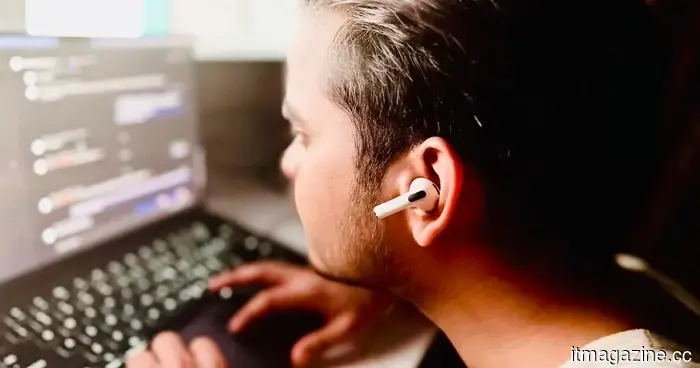 I created a Mac app to monitor my poor posture using AirPods, without writing any code myself.
With the help of Claude, I was able to create an app without any programming knowledge. Not long ago, the idea of developing my own software would have felt like an impossible dream for someone like me.
I created a Mac app to monitor my poor posture using AirPods, without writing any code myself.
With the help of Claude, I was able to create an app without any programming knowledge. Not long ago, the idea of developing my own software would have felt like an impossible dream for someone like me.
 Perplexity's AI answering system will not be available on Snapchat, after all.
Snapchat has abandoned its Perplexity AI search initiative, prompting new inquiries into the extent to which users truly desire AI integration within social applications.
Perplexity's AI answering system will not be available on Snapchat, after all.
Snapchat has abandoned its Perplexity AI search initiative, prompting new inquiries into the extent to which users truly desire AI integration within social applications.
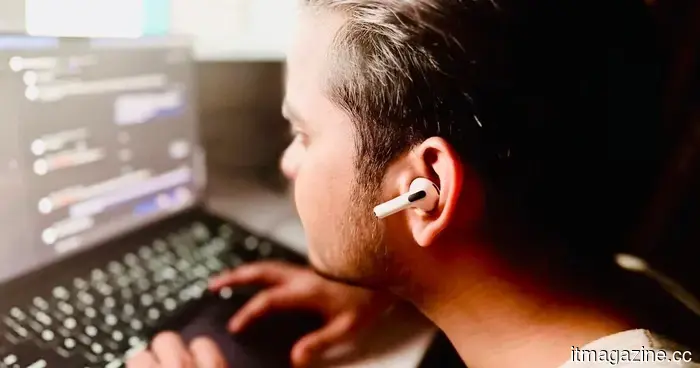 I developed a Mac application to monitor my poor posture using AirPods, and I didn't write any code myself.
Thanks to Claude, I developed an app without any programming skills. Not long ago, it would have seemed like a distant dream for someone like me to even think about creating my own software.
I developed a Mac application to monitor my poor posture using AirPods, and I didn't write any code myself.
Thanks to Claude, I developed an app without any programming skills. Not long ago, it would have seemed like a distant dream for someone like me to even think about creating my own software.
 The US believes that Thailand's OBON Corp assisted in the smuggling of NVIDIA chips to Alibaba.
OBON Corp., a Thai firm associated with the national AI strategy, is referred to as the unnamed "Company-1" in the $2.5 billion indictment of Supermicro.
The US believes that Thailand's OBON Corp assisted in the smuggling of NVIDIA chips to Alibaba.
OBON Corp., a Thai firm associated with the national AI strategy, is referred to as the unnamed "Company-1" in the $2.5 billion indictment of Supermicro.
Research indicates that social media friends don’t necessarily reduce feelings of loneliness.
A recent study involving over 1,500 adults revealed that online interactions with unfamiliar individuals were associated with increased feelings of loneliness, whereas face-to-face interactions did not show a definitive decrease in loneliness.