

Uber's Q1 2026 results show a revenue shortfall, yet the stock rises by 10% with a tenfold increase in autonomous trips, Uber One reaching 50 million members, and a 25% surge in bookings.
TL;DR: Uber fell short of its Q1 revenue estimates by $90 million, yet the stock rose by 10 percent. Gross bookings increased by 25 percent to $53.7 billion, autonomous trips expanded tenfold, and the 50-million-member Uber One program now constitutes over half of all bookings. Wall Street is valuing the company as a logistics platform rather than just a ride-hailing service.
Uber reported its revenue estimate miss on Tuesday, which led to a 10 percent increase in stock price. The gap between Wall Street’s expectations and the market’s response illustrates that Uber has transitioned from being simply a ride-hailing and food delivery service to a logistics platform. This shift in perception is attributed to its partnerships in autonomous vehicles, its membership model, and advertising revenue, rendering the revenue shortfall insignificant for key investors. First-quarter revenue reached $13.2 billion, a 14 percent rise compared to the previous year, yet approximately $90 million below the forecast. Gross bookings jumped 25 percent to $53.7 billion. Non-GAAP earnings per share surged 44 percent to 72 cents. Additionally, the company forecasted Q2 bookings between $56.25 and $57.75 billion, prompting the market to respond positively.
Revenue shortfalls primarily occurred in Uber’s mobility segment, where sales rose 5 percent to $6.8 billion, falling short of the predicted $7.11 billion. This miss stemmed from a strategic pricing reduction, allowing the company to offer lower ride prices in markets where insurance savings permitted, exchanging immediate revenue for increased trip volume. Management asserts that this strategy has yielded more important metrics. Mobility gross bookings accelerated to a 20 percent growth rate, with trips on the platform totaling 3.6 billion, reflecting a 20 percent year-over-year increase. In Los Angeles, where insurance challenges were most pronounced, trip growth was reportedly stronger than in other parts of California and the US. Management anticipates significant insurance savings to enhance US mobility revenue in 2026, reinvesting those savings into further price reductions aimed at replicating success in other markets.
Delivery emerged as the stronger segment, with revenue of $5.07 billion, a 34 percent increase, surpassing the consensus estimate of $4.89 billion. Delivery bookings grew 23 percent, driven by grocery and retail expansion that has broadened Uber’s addressable market beyond just restaurant food. The firm’s advertising revenue is projected to exceed a $2 billion annualized run rate in fiscal 2025, growing over 50 percent year on year and transforming the logistics platform into a media entity where brands can reach consumers at the point of purchase. The Uber One membership program now boasts 50 million subscribers, who account for over half of all bookings and spend three times more than non-members, resembling the membership dynamics of Amazon Prime rather than that of a taxi service.
Autonomous vehicle trips on Uber's platform experienced more than tenfold year-on-year growth. The company partners with over 30 autonomous vehicle providers across mobility and delivery, anticipating operations in up to 15 cities by the end of 2026. Waymo, through its collaboration with Uber, is offering 250,000 paid rides per week. Volkswagen’s MOIA is testing driverless ID. Buzz minibuses in Los Angeles, with plans to scale from 10 to over 100 vehicles with safety operators by year-end and targeting driverless service in 2027. Uber and Nuro have begun internal testing of a Lucid Gravity robotaxi in San Francisco, expecting to start commercial vehicle production in late 2026.
The growth of autonomous service geography is outpacing improvements in the vehicles themselves. Uber, Wayve, and Nissan are set to introduce robotaxis in Tokyo in a pilot expected in late 2026, subject to regulatory approval. Motional plans to remove its safety operator in Las Vegas by year-end, while Zoox is preparing to launch on the Uber platform in Las Vegas this summer, with expansion in Los Angeles planned for 2027. Uber's strategy focuses on building the distribution mechanism necessary for autonomous vehicle companies to reach consumers by aggregating demand across various AV providers, positioning itself as the platform that shapes which robotaxi firms thrive and which do not.
The financial profile from the quarter indicates a company where profitability is growing faster than revenue. Adjusted EBITDA increased at a rate significantly exceeding revenue growth, aided by operating leverage, insurance savings, and the high-margin advertising and membership ventures. A $1 billion GAAP operating profit was negated by a $1.5 billion pre-tax charge from equity holdings’ mark-to-market losses, a non-cash consideration that differentiated GAAP diluted earnings per share of 13 cents from the non-GAAP figure of 72 cents. While free cash flow and capital returns were not in the spotlight, management’s guidance for Q2 projects non-GAAP EPS of 78 to 82 cents, reflecting 31
Other articles
 Nyobolt secures $60 million at a $1 billion valuation, with Symbotic leading the round, for its ultrafast-charging batteries designed for warehouse robots and AI data centers.
Cambridge-based battery startup Nyobolt has achieved unicorn status following a $60 million Series C funding round led by Symbotic. The company's niobium batteries can charge in mere seconds and endure over 20,000 cycles, making them suitable for robots and data centers.
Nyobolt secures $60 million at a $1 billion valuation, with Symbotic leading the round, for its ultrafast-charging batteries designed for warehouse robots and AI data centers.
Cambridge-based battery startup Nyobolt has achieved unicorn status following a $60 million Series C funding round led by Symbotic. The company's niobium batteries can charge in mere seconds and endure over 20,000 cycles, making them suitable for robots and data centers.
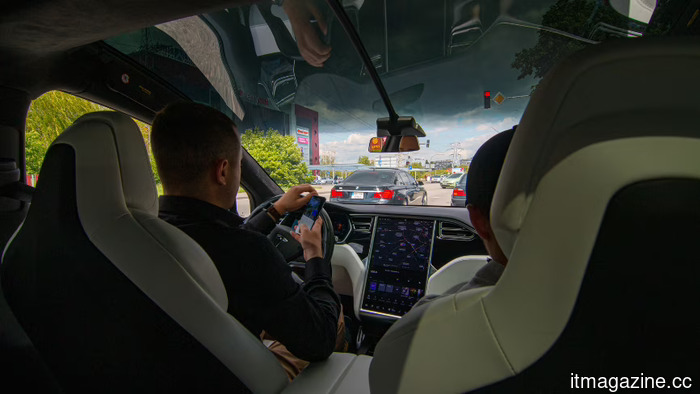 Uber's Q1 2026 report shows a revenue shortfall, yet the stock price rises by 10% as autonomous rides increase tenfold. Additionally, Uber One reaches 50 million members, and bookings experience a 25% rise.
Uber fell short of its Q1 revenue by $90 million, yet its stock jumped 10%. Gross bookings reached $53.7 billion, while autonomous vehicle trips increased tenfold, and Uber One gained 50 million members. The market views Uber as a platform rather than just a taxi service.
Google is in discussions with Blackstone, KKR, and EQT regarding an omnibus licensing agreement for Gemini AI, while OpenAI and Anthropic are establishing consulting businesses.
Alphabet is in discussions for an omnibus Gemini licensing agreement with Blackstone, KKR, and EQT. This approach differs from OpenAI's $10 billion and Anthropic's $1.5 billion embedded-engineer initiatives.
Uber's Q1 2026 report shows a revenue shortfall, yet the stock price rises by 10% as autonomous rides increase tenfold. Additionally, Uber One reaches 50 million members, and bookings experience a 25% rise.
Uber fell short of its Q1 revenue by $90 million, yet its stock jumped 10%. Gross bookings reached $53.7 billion, while autonomous vehicle trips increased tenfold, and Uber One gained 50 million members. The market views Uber as a platform rather than just a taxi service.
Google is in discussions with Blackstone, KKR, and EQT regarding an omnibus licensing agreement for Gemini AI, while OpenAI and Anthropic are establishing consulting businesses.
Alphabet is in discussions for an omnibus Gemini licensing agreement with Blackstone, KKR, and EQT. This approach differs from OpenAI's $10 billion and Anthropic's $1.5 billion embedded-engineer initiatives.
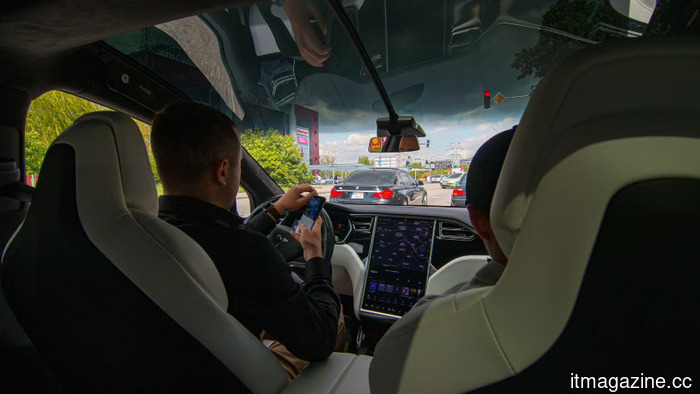 Uber's Q1 2026 results showed a revenue shortfall, yet the stock soared by 10% due to a tenfold increase in autonomous trips, Uber One reaching 50 million members, and a 25% rise in bookings.
Uber fell short of Q1 revenue expectations by $90 million, yet its stock increased by 10%. Gross bookings reached $53.7 billion, with autonomous vehicle trips expanding tenfold, and Uber One gained 50 million members. The market perceives it as a platform rather than just a taxi application.
Uber's Q1 2026 results showed a revenue shortfall, yet the stock soared by 10% due to a tenfold increase in autonomous trips, Uber One reaching 50 million members, and a 25% rise in bookings.
Uber fell short of Q1 revenue expectations by $90 million, yet its stock increased by 10%. Gross bookings reached $53.7 billion, with autonomous vehicle trips expanding tenfold, and Uber One gained 50 million members. The market perceives it as a platform rather than just a taxi application.
 G42's Core42 has signed a lease for 20MW in a repurposed office building in Minneapolis as the UAE broadens its AI data center presence in the US.
Core42, a division of G42 that is developing Stargate UAE, is utilizing 20MW in a conversion of Minneapolis office space into a data center. The rise of AI is now filling the offices that were previously vacated.
G42's Core42 has signed a lease for 20MW in a repurposed office building in Minneapolis as the UAE broadens its AI data center presence in the US.
Core42, a division of G42 that is developing Stargate UAE, is utilizing 20MW in a conversion of Minneapolis office space into a data center. The rise of AI is now filling the offices that were previously vacated.
Uber's Q1 2026 results show a revenue shortfall, yet the stock rises by 10% with a tenfold increase in autonomous trips, Uber One reaching 50 million members, and a 25% surge in bookings.
Uber fell short of its Q1 revenue by $90 million, yet its stock rose by 10%. Gross bookings reached $53.7 billion, autonomous vehicle trips increased tenfold, and Uber One gained 50 million members. The market views it as a platform rather than just a taxi service.