
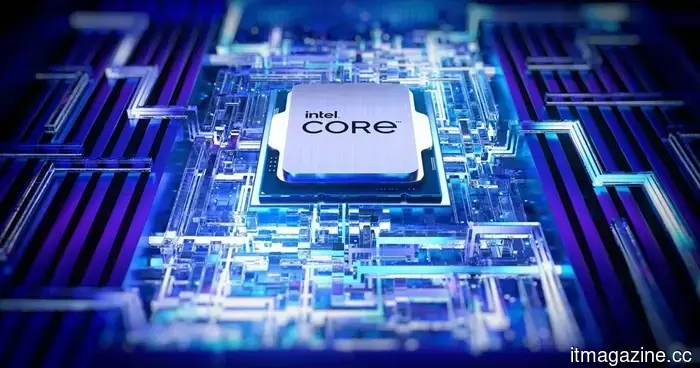
Intel's leaked future CPU plans indicate that the company is adopting an aggressive strategy.
Nova Lake, Razor Lake, and Titan Lake are all poised to take on AMD.
Intel is no longer in a position of trailing. After enduring years of setbacks, changes in its plans, and gaps in its product range, the company is now reportedly expediting the development of multiple CPU families simultaneously in a bid to counter AMD from all fronts. In truth, this might be the most assured Intel has appeared in years.
What are Intel's plans for Nova Lake, Razor Lake, and Titan Lake?
As detailed in a recent report by Digitimes, Intel’s PC strategy is now firmly back on course, with a variety of upcoming CPU families expected in the next few years. The company is reportedly gearing up for an assertive launch schedule that includes Nova Lake, Razor Lake, Titan Lake, and Moon Lake, all designed to bolster Intel’s standing against AMD, Apple, and Qualcomm. Here's a quick summary of the upcoming products, according to Guru3D:
Architecture | Expected Launch | Market Segment | CPU Architecture | Key Features | Platform Notes
--- | --- | --- | --- | --- | ---
Nova Lake | H2 2026 | Desktop / High Performance PCs | Coyote Cove P-Cores + Arctic Wolf E-Cores | Higher core counts, up to 288MB cache, hybrid architecture | Nova Lake-S desktop platform
Razor Lake | Q4 2027 | Desktop / Enthusiast PCs | Griffin Cove P-Cores + Golden Eagle E-Cores | Significant IPC improvements, hybrid architecture | Rumored pin compatibility with Nova Lake motherboards
Titan Lake | 2028 | High-End Desktop / Mobile APU | Unified Copper Shark cores | Potential elimination of P/E core distinction, rumored NVIDIA RTX GPU tile integration | Direct competitor to AMD Strix Halo-class APUs
Moon Lake | 2028 | Entry-Level Laptops / Chromebooks | E-Core-only architecture | Low power consumption, cost-efficient design | Successor to Twin Lake
The first major release is anticipated to be Nova Lake, debuting in the second half of 2026. This series is rumored to include substantial enhancements, such as desktop processors with up to 52 cores and 288MB of cache, along with new Coyote Cove and Arctic Wolf core designs. Following that is Razor Lake in 2027, which is said to be pin-compatible with Nova Lake platforms, facilitating upgrades for both desktop and mobile devices.
In later years, Intel is planning Titan Lake, which could unveil a unified CPU core architecture and might include an NVIDIA-collaborated “Serpent Lake” chip featuring RTX graphics technology. This would directly rival AMD’s Strix Halo APUs for high-performance mobile applications. Lastly, there’s Moon Lake, focused on low power consumption, featuring an E-core architecture for budget devices and entry-level laptops.
Is Intel finally moving past its CPU roadmap missteps?
For years, Intel's main issue wasn't necessarily poor processors, but inconsistent implementation. Delays, canceled projects, and perplexing product launches allowed AMD to gain significant traction in enthusiast and performance markets. However, the current sentiment from supply-chain reports appears to be shifting. Intel's roadmap is reportedly stabilizing, production yields are improving, and product launches are expected to occur on schedule rather than facing repeated delays.
A clear strategy is also taking shape. Rather than depending on a single flagship lineup, Intel is developing multiple CPU families aimed at various segments, from high-end gaming desktops to AI laptops and budget-friendly systems. While the timely launch of all these chips remains uncertain, for the first time in a while, Intel's roadmap feels less like a reaction to past problems and more like an actual offensive move.
Varun is an experienced technology journalist and editor with over eight years in consumer tech media. His work spans...
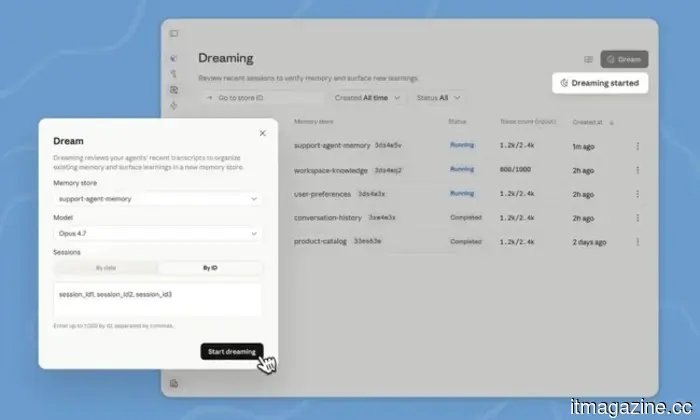
Anthropic has just enabled Claude to dream between tasks, significantly improving the intelligence of agents.
Dreaming allows Claude to transform from an AI that forgets everything as soon as a session concludes into one that quietly enhances its capabilities during downtime.
Anthropic has introduced features like Dreaming, Outcomes, and Multiagent Orchestration for Claude Managed Agents. While all three updates are valuable, Dreaming stands out with its practical benefits for developers creating AI agents capable of managing intricate, prolonged tasks.
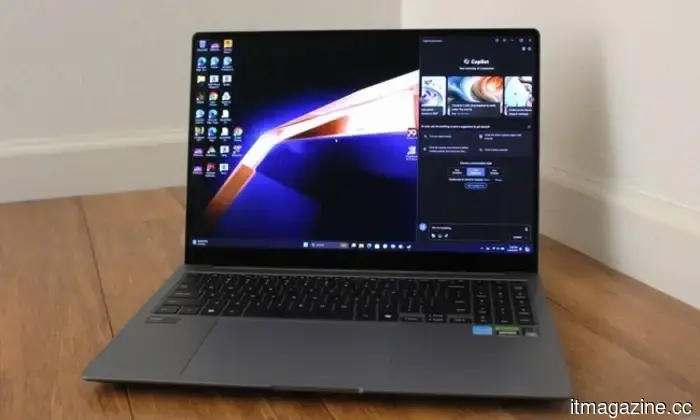
A new patent from Samsung reveals a laptop featuring a clever touch-sensitive palm rest for shortcuts.
This innovative Samsung laptop concept aims to alter your typing habits by minimizing reliance on modifier keys such as Ctrl, Shift, and Alt. The patent illustrates a laptop equipped with built-in sensors in the palm rest to detect the user's arm positions and adjust key functions accordingly.
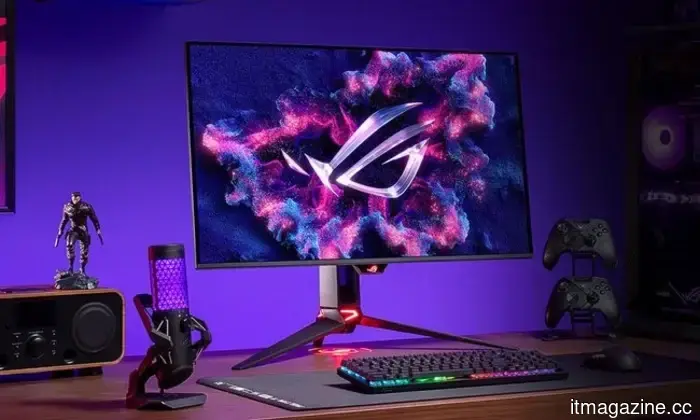
The Desktop Paradox: I've finally grasped why gamers hesitate to switch to OLED.
It’s not about the price or the hype; it's that one lingering apprehension that’s hard to ignore.
In 2026, the OLED revolution has officially made its way to our desks—not just in flashy advertisements or YouTube previews, but available for purchase. You’ve probably considered

Other articles
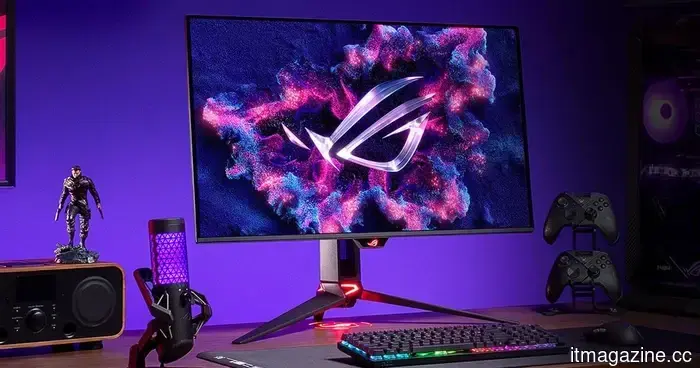 The Desktop Paradox: I've come to realize why gamers are reluctant to switch to OLED.
OLED displays appear flawless, so why isn't it on your desk? Investigating concerns about burn-in, the compromises of MiniLED, and the divided opinions among gamers.
The Desktop Paradox: I've come to realize why gamers are reluctant to switch to OLED.
OLED displays appear flawless, so why isn't it on your desk? Investigating concerns about burn-in, the compromises of MiniLED, and the divided opinions among gamers.
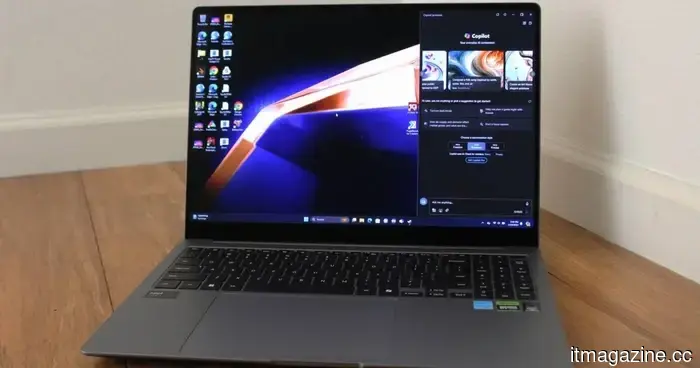 A Samsung patent reveals a laptop featuring an innovative touch-sensitive palm rest designed for shortcuts.
Samsung's concept might allow a single key to perform two functions, based on whether your hand is placed on the laptop or is hovering over it.
A Samsung patent reveals a laptop featuring an innovative touch-sensitive palm rest designed for shortcuts.
Samsung's concept might allow a single key to perform two functions, based on whether your hand is placed on the laptop or is hovering over it.
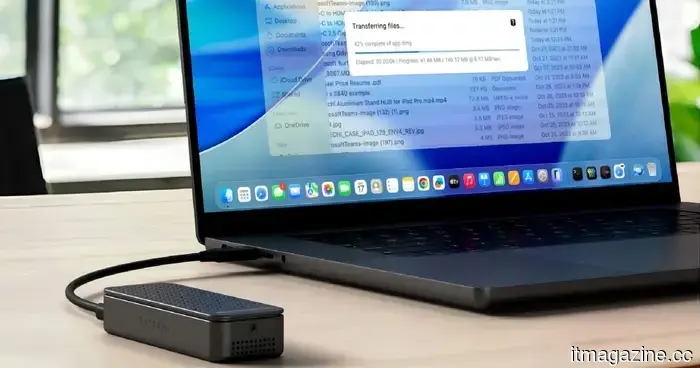 This slim SSD enclosure features active cooling to maintain 80Gbps speeds for as long as necessary.
Satechi's DotDisk 80Gbps SSD enclosure features an integrated microfan and thermal pad designed to avoid thermal throttling during prolonged transfers, maintaining consistent speeds where many smaller enclosures tend to decrease performance.
This slim SSD enclosure features active cooling to maintain 80Gbps speeds for as long as necessary.
Satechi's DotDisk 80Gbps SSD enclosure features an integrated microfan and thermal pad designed to avoid thermal throttling during prolonged transfers, maintaining consistent speeds where many smaller enclosures tend to decrease performance.
 Lawrence Wong remains firm: AI will not lead to jobless growth in Singapore.
Singapore's parliament has reconfirmed Prime Minister Lawrence Wong's commitment made in February, stating that the nation will not undergo jobless growth.
Lawrence Wong remains firm: AI will not lead to jobless growth in Singapore.
Singapore's parliament has reconfirmed Prime Minister Lawrence Wong's commitment made in February, stating that the nation will not undergo jobless growth.
 iOS 27 might handle AI models similarly to default apps, which could finally encourage me to use Apple Intelligence.
The majority of phones select your AI automatically. However, Apple's iOS 27 is said to be on the verge of changing this, potentially discovering its most profitable business strategy to date.
iOS 27 might handle AI models similarly to default apps, which could finally encourage me to use Apple Intelligence.
The majority of phones select your AI automatically. However, Apple's iOS 27 is said to be on the verge of changing this, potentially discovering its most profitable business strategy to date.
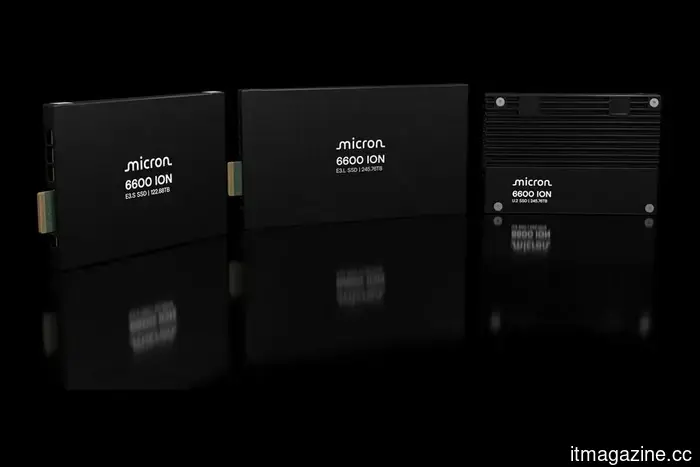 Micron has released a 245-terabyte SSD for data centers.
American Micron has begun shipping the 6600 ION solid-state drive with a capacity of 245 terabytes. The company calls it the most spacious serial SSD for data centers on the market. The device was designed for artificial intelligence tasks, cloud platforms, and enterprise storage.
Micron has released a 245-terabyte SSD for data centers.
American Micron has begun shipping the 6600 ION solid-state drive with a capacity of 245 terabytes. The company calls it the most spacious serial SSD for data centers on the market. The device was designed for artificial intelligence tasks, cloud platforms, and enterprise storage.
Intel's leaked future CPU plans indicate that the company is adopting an aggressive strategy.
Intel's future CPU roadmap, which includes Nova Lake, Razor Lake, Titan Lake, and Moon Lake, is said to be on schedule as the company intensifies its competition with AMD.