
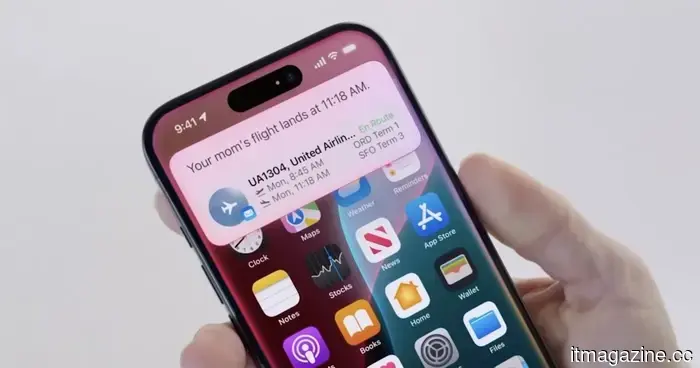
Apple has agreed to pay $250 million to iPhone users due to Siri's lack of intelligence.
Siri's significant AI upgrade is overdue, and it's costing Apple dearly
Apple's much-anticipated Siri enhancement is no longer merely an embarrassing misstep in AI; the company has now agreed to a substantial settlement. The tech giant is set to pay $250 million to resolve a class-action lawsuit claiming it deceived iPhone purchasers in the U.S. regarding the AI-driven Siri features introduced under Apple Intelligence.
As reported by the Financial Times, the lawsuit focuses on Apple’s commitment to deliver a more personalized Siri, which was first showcased at WWDC 2024 and promoted alongside the latest iPhone models.
Why is Apple shelling out $250 million?
Initially, Apple marketed the revamped Siri as a cornerstone of its Apple Intelligence initiative. The virtual assistant was expected to comprehend more personal context, monitor activities across devices, and perform tasks across various applications. However, that upgraded version of Siri has yet to materialize. While Apple has gradually released some Apple Intelligence elements, including writing tools, image generation capabilities, and a satisfactory ChatGPT integration, the more ambitious Siri redesign was postponed far beyond the iPhone 16 release period.
The lawsuit affects U.S. consumers who purchased the iPhone 16 series and iPhone 15 Pro models, which Apple had advertised as equipped to handle Apple Intelligence features. Over the past few years, the company has attempted to persuade users and investors that it is seriously competing in the AI market. However, the delays were evident, and Apple publicly admitted to the Siri postponement in March 2025, several months after the iPhone 16’s debut.
Apple still intends to launch it
Reports indicate that the upgraded Siri is still on track. Apple aims to introduce the new version this year, potentially with iOS 27 and a collaboration with Google to utilize Gemini models to enhance the experience. Even after two years, the feature is still not fully realized, and Apple may find itself paying hundreds of millions to reconcile the difference between the promised capabilities and actual delivery.
Vikhyaat Vivek is a tech journalist and reviewer with seven years of experience covering consumer hardware, with an emphasis on...
Xiaomi’s battery upgrade program is just what aging iPhones require
Xiaomi has faced allegations of drawing inspiration from Apple for some time. However, in this case, the inspiration should flow in the opposite direction. The company has widened its paid battery upgrade initiative in China to include the Xiaomi 13, Xiaomi 13 Pro, and Xiaomi 13 Ultra. Unlike conventional battery replacements that simply substitute worn-out cells with the same capacity, Xiaomi is providing larger batteries that enhance the endurance of older devices.
Google is implementing a new strategy to prevent dubious Android apps from causing chaos
Android security is gaining an additional level of accountability aimed at addressing a challenge that digital signatures cannot resolve. Google has declared that it will be extending Binary Transparency throughout the Android ecosystem. Beginning with the production of Google applications for Android and Mainline modules, the company will document official releases on a public append-only ledger, facilitating verification of whether the software installed on a device matches the version Google originally intended to release.
Why digital signatures are no longer sufficient
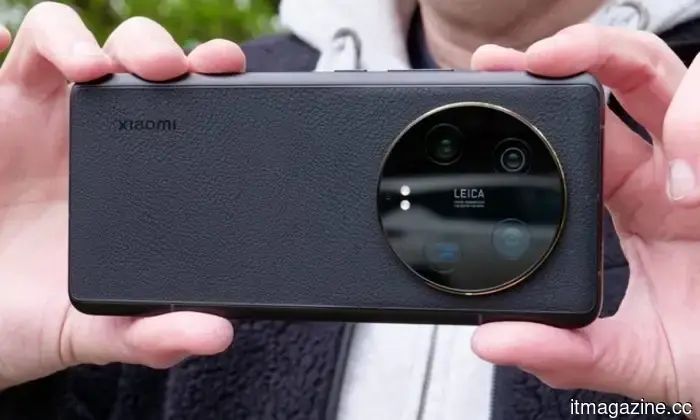
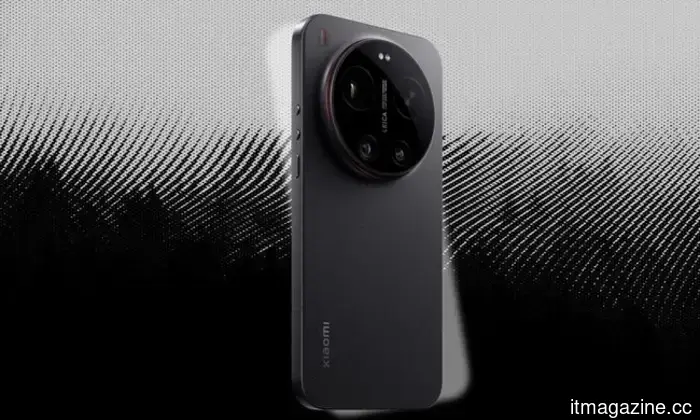
After testing the Xiaomi 17 Ultra’s camera, I’m unlikely to revert to an iPhone
In a "Galaxy" of slow innovation and complacency, the notorious "Apple copycat" is setting a high standard for all. In the realm of flagship smartphones, the term “Ultra” has begun to lose significance. Nearly every brand uses it, but few genuinely deliver something that feels ultra. Take the Samsung Galaxy S26 Ultra, for example. It’s a solid device, certainly, but thrilling? Not really. This points to a broader issue in the U.S. market; some of the most captivating Android flagships simply do not make it here. Meanwhile, brands like Vivo, Oppo, and Honor are quietly advancing smartphone cameras closer to dedicated camera capabilities than ever before. Enter the Xiaomi 17 Ultra. After several weeks of use, one thing is clear: this is not just a phone with an exceptional camera; it's a camera that also functions as a phone. It genuinely feels like a modern resurgence of the Samsung Galaxy Camera.

Other articles
 Microsoft Copilot Cowork is now available on mobile, ready to handle tasks for you.
Microsoft Copilot Cowork is now available on iOS and Android, and it is introducing reusable skills along with support for third-party plugins to assist you in delegating more tasks from any location.
Microsoft Copilot Cowork is now available on mobile, ready to handle tasks for you.
Microsoft Copilot Cowork is now available on iOS and Android, and it is introducing reusable skills along with support for third-party plugins to assist you in delegating more tasks from any location.
 Thailand has approved $29 billion worth of projects, including the expansion of TikTok's data center.
Thailand's BOI approved $29 billion in foreign investment, featuring a $25 billion expansion of TikTok's data center, positioning Thailand as the leading country in Southeast Asia.
Thailand has approved $29 billion worth of projects, including the expansion of TikTok's data center.
Thailand's BOI approved $29 billion in foreign investment, featuring a $25 billion expansion of TikTok's data center, positioning Thailand as the leading country in Southeast Asia.
 Thailand has authorized $29 billion in projects, which includes the expansion of TikTok's data center.
Thailand's BOI approved $29 billion in foreign investments, which features a $25 billion expansion of a TikTok data center, positioning Thailand as the leader in Southeast Asia.
Thailand has authorized $29 billion in projects, which includes the expansion of TikTok's data center.
Thailand's BOI approved $29 billion in foreign investments, which features a $25 billion expansion of a TikTok data center, positioning Thailand as the leader in Southeast Asia.
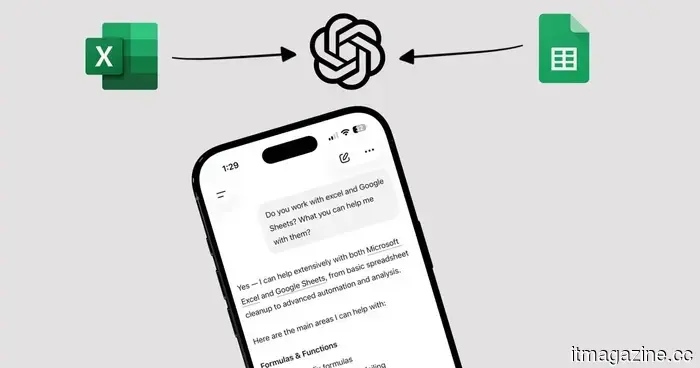 ChatGPT for Excel and Google Sheets has officially launched beyond its beta phase, and it's quite significant.
ChatGPT for Excel and Google Sheets has been officially released worldwide after its beta phase. You can create, modify, and inquire about your spreadsheets using everyday language.
ChatGPT for Excel and Google Sheets has officially launched beyond its beta phase, and it's quite significant.
ChatGPT for Excel and Google Sheets has been officially released worldwide after its beta phase. You can create, modify, and inquire about your spreadsheets using everyday language.
 Thailand has given the green light to $29 billion worth of projects, including the expansion of TikTok's data center.
Thailand's BOI approved $29 billion in foreign investments, which includes a $25 billion expansion of TikTok's data center, positioning Thailand as the leader in Southeast Asia.
Thailand has given the green light to $29 billion worth of projects, including the expansion of TikTok's data center.
Thailand's BOI approved $29 billion in foreign investments, which includes a $25 billion expansion of TikTok's data center, positioning Thailand as the leader in Southeast Asia.
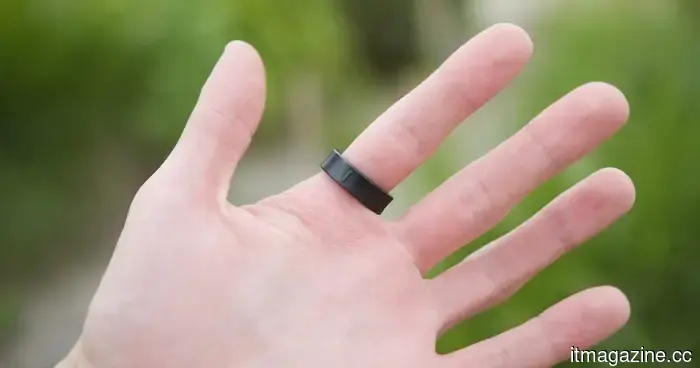 Samsung's upcoming smart ring is delayed, but you'll find the anticipated enhancements worthwhile.
Samsung's Galaxy Ring 2 might miss its 2026 release as the company focuses on enhancing battery life, creating more compact hardware, and improving health tracking accuracy.
Samsung's upcoming smart ring is delayed, but you'll find the anticipated enhancements worthwhile.
Samsung's Galaxy Ring 2 might miss its 2026 release as the company focuses on enhancing battery life, creating more compact hardware, and improving health tracking accuracy.
Apple has agreed to pay $250 million to iPhone users due to Siri's lack of intelligence.
Apple's long-awaited upgrade for Siri has turned from an embarrassing setback in AI to a significant legal issue, as the company has consented to a substantial settlement. Apple is paying $250 million to resolve a class-action lawsuit that claims it misled US iPhone purchasers regarding the AI-enhanced Siri features introduced with Apple Intelligence. According to […]