

I utilize AI on a daily basis — here are three reasons I chose to pay for Claude instead of ChatGPT.
I utilize AI on a daily basis, so I required something I could truly rely on, rather than just something I would occasionally use. Eventually, I realized that to achieve that level of consistency, I would need to invest in it. The real dilemma arose when I had to make a choice between ChatGPT and Claude. I have been using ChatGPT for quite a while, and it already comprehends my thought processes and needs, which made it a familiar option. However, as I explored Claude's capabilities further, the decision became increasingly difficult. It was no longer a straightforward choice.
I debated for some time, balancing my familiarity with ChatGPT against the capabilities of Claude. Ultimately, I opted for Claude, and looking back, I have no regrets about that decision.
The quiet satisfaction of effortless work
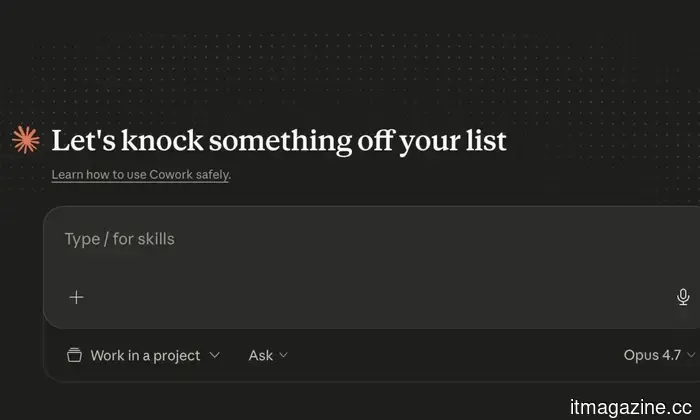
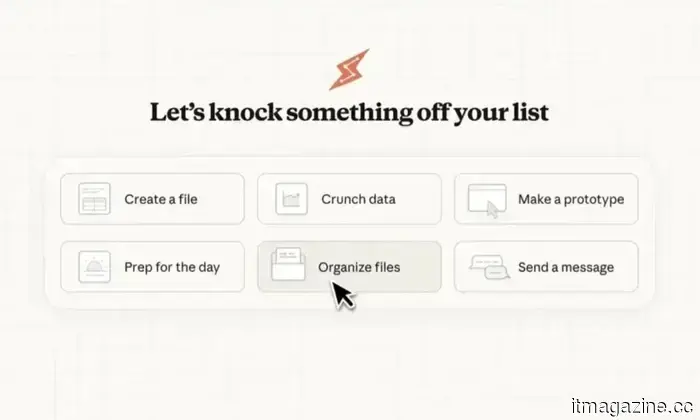
To be honest, what ultimately led me to pay for Claude Cowork was its automation feature — the kind that discreetly frees up your schedule without constantly requiring your attention. Much of my day used to be consumed by repetitive, low-effort tasks that I kept postponing even though they lingered. I delegated those tasks to Cowork, and now they simply get completed. As long as I provide a clear prompt, it manages them daily without necessitating my involvement. It does request a few permissions for optimal functioning, which I initially hesitated to grant, but it's a one-time setup, and in return, it saves me time every day. This exchange feels more than fair once you witness it in action.
What impressed me even more was the minimal supervision it requires. I'm not constantly checking in or making corrections. It operates in the background and manages predictable tasks, allowing me to concentrate on what genuinely demands my time and attention. This shift is subtle at first.
Shimul Sood / Digital Trends
There was a recent moment that particularly highlighted this for me. I had a folder on my MacBook containing nearly a thousand videos, which was a chaotic mess — random filenames, duplicates everywhere, and nothing was easily accessible. It had been untouched for weeks because I was reluctant to tackle it. I granted Cowork access, provided a straightforward prompt about what I needed, and let it work its magic. It sorted through everything, organized the files, renamed them appropriately, and removed the duplicates. I didn’t have to micromanage or continually intervene. I just needed to be clear once, and it took care of the rest.
That's when I recognized this: most AI tools excel when handling simple and clearly defined tasks. However, when things become even slightly chaotic, with too much context or numerous variables, they either oversimplify or struggle to keep pace. Cowork is perfectly at ease with that chaos. It doesn’t require everything to be immaculately structured. It navigates through it and, most importantly, alleviates a significant portion of the work so you can focus on what really matters.
When your terminal gets a brain
In addition to Cowork, another standout aspect of the experience is Claude Code. It functions as a version of Claude that doesn’t just offer suggestions but actively executes them. It operates within your terminal, which may sound technical at first, but the interaction is straightforward. You simply describe what you need in plain language. This could be something like “create a basic website,” “implement a login system,” or even “clarify what this block of code does.” After that, it goes to work. It reads your files, writes or modifies code, executes commands, and even tests things without requiring manual assembly.
The simplest way to think about it is this: regular Claude in a chat interface feels like texting a very intelligent friend giving you instructions. In contrast, Claude Code feels like that same friend sitting at your computer, actively typing away and completing the tasks while you supervise. This distinction significantly alters the workflow. You no longer copy code from a chat and paste it into your editor, troubleshooting when something goes wrong. Instead, the process becomes much more streamlined — you describe, it executes, and you review.
What enables it to function effectively is its access to extensive context. It can view your entire project, rather than just a section you’ve pasted in. This includes your files, structure, and even version history if you’re using Git. Because of this, its suggestions and modifications feel much more relevant to what you’re building. It also has the ability to perform actual actions, install dependencies, run tests, and prepare commits. Importantly, you remain in control. It doesn’t make risky changes without consulting you first. Thus, it feels less like a mere assistant and more like a collaborator.
It doesn’t require perfect prompts to succeed
Articulating this is challenging, but it may be the most essential aspect of the experience. Many AI tools respond in a very literal manner. You request something, and they deliver precisely that, yet somehow miss the underlying meaning. The result might be technically correct but ultimately unhelp

Other articles
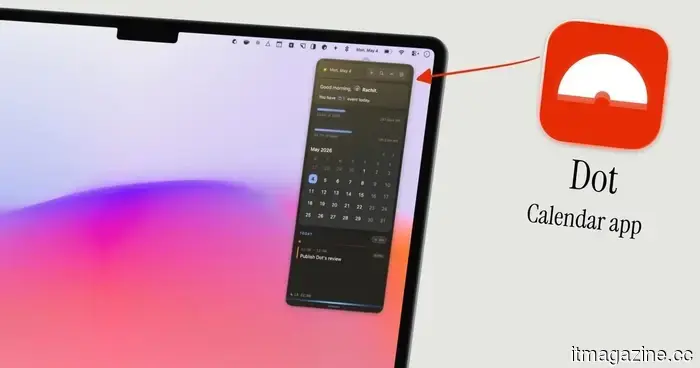 Dot is the Mac calendar application I wish I had discovered earlier in 2026.
I've always enjoyed using menu bar calendar applications. They allow me to quickly view upcoming events, add new ones effortlessly, and access my calendar from anywhere. Dot is the best one I've encountered.
Dot is the Mac calendar application I wish I had discovered earlier in 2026.
I've always enjoyed using menu bar calendar applications. They allow me to quickly view upcoming events, add new ones effortlessly, and access my calendar from anywhere. Dot is the best one I've encountered.
 Razer enhances the Blade 16 by offering options for 64GB RAM and RTX 5090.
Razer has unveiled new configurations for the Blade 16, now featuring up to 64GB of LPDDR5X RAM and an RTX 5090 GPU, elevating the gaming laptop to the level of a workstation.
Razer enhances the Blade 16 by offering options for 64GB RAM and RTX 5090.
Razer has unveiled new configurations for the Blade 16, now featuring up to 64GB of LPDDR5X RAM and an RTX 5090 GPU, elevating the gaming laptop to the level of a workstation.
 Won-Jin Lee assumes control of Samsung's TV division following a decline in profits.
Samsung has appointed Won-Jin Lee to lead its Visual Display division as the profit for Q1 from TVs decreased and TCL narrowed the gap to just one percentage point.
Won-Jin Lee assumes control of Samsung's TV division following a decline in profits.
Samsung has appointed Won-Jin Lee to lead its Visual Display division as the profit for Q1 from TVs decreased and TCL narrowed the gap to just one percentage point.
 I used the iPhone Air for six months, and here’s the one thing I miss.
The iPhone Air surprised me in ways I hadn't anticipated. Six months in, it remains my preferred iPhone, but there's one feature I keep wishing for.
I used the iPhone Air for six months, and here’s the one thing I miss.
The iPhone Air surprised me in ways I hadn't anticipated. Six months in, it remains my preferred iPhone, but there's one feature I keep wishing for.
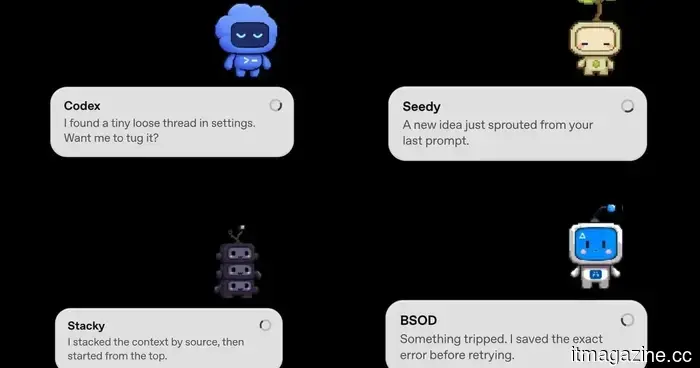 OpenAI's Codex now features a small AI companion that provides updates as you code.
OpenAI has launched Codex Pets, which are optional animated companions for its Codex desktop application. These pets will be displayed on your screen and monitor the activities of the coding agent in real-time.
OpenAI's Codex now features a small AI companion that provides updates as you code.
OpenAI has launched Codex Pets, which are optional animated companions for its Codex desktop application. These pets will be displayed on your screen and monitor the activities of the coding agent in real-time.
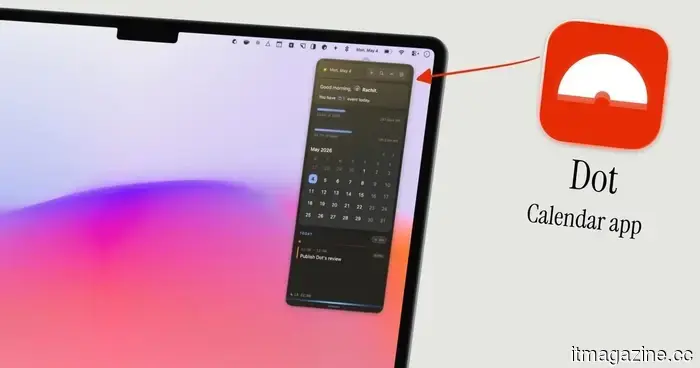 Dot is the calendar application for Mac that I regret not discovering earlier in 2026.
I have always been a fan of calendar apps that reside in the menu bar. They allow me to view upcoming events, add them swiftly, and access my calendar from any location. Dot is the best option I've come across.
Dot is the calendar application for Mac that I regret not discovering earlier in 2026.
I have always been a fan of calendar apps that reside in the menu bar. They allow me to view upcoming events, add them swiftly, and access my calendar from any location. Dot is the best option I've come across.
I utilize AI on a daily basis — here are three reasons I chose to pay for Claude instead of ChatGPT.
I set out to find a superior AI and ultimately transformed the way I approach my tasks. What began as a simple interest has evolved into something I depend on daily.