
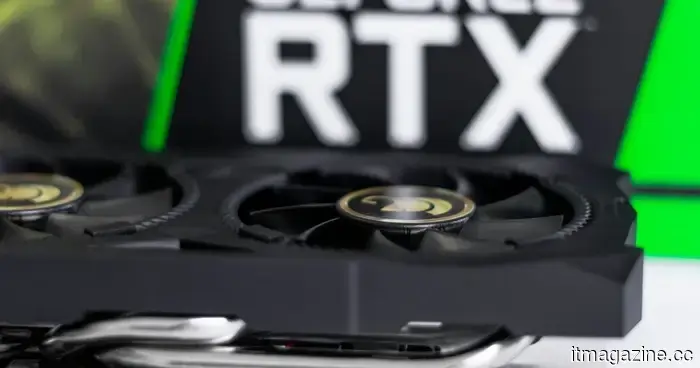
As the RAM crisis impacts the gaming sector, Nvidia may bring back a previous RTX 3000 series GPU.
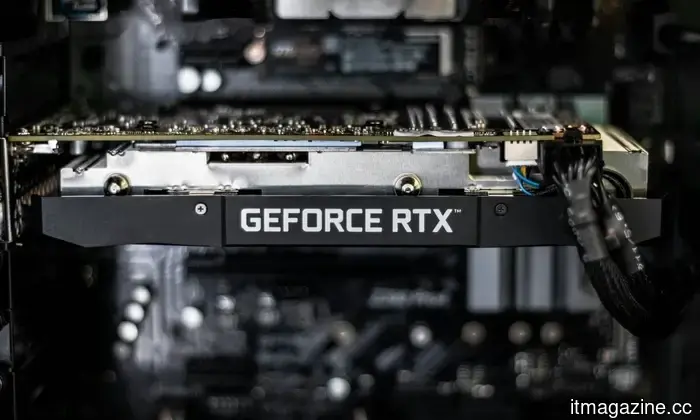
Nvidia may be gearing up to revive an older graphics card, the GeForce RTX 3060, as the gaming sector grapples with a significant global memory (VRAM) shortage. Recent leaks and supply chain reports indicate that production of the RTX 3060 12GB could restart as soon as June 2026, with a possible retail arrival in July.
Old GPU, New Significance
Initially launched in 2021 and discontinued in 2024, the RTX 3060 may be brought back by Nvidia to address a gap in its existing product lineup. Companies like Asus and MSI are anticipated to receive new chip allocations soon, suggesting a rapid increase in manufacturing.
Nvidia Unsplash
The primary motivation for this decision seems to be the ongoing VRAM scarcity. Newer GPUs depend on advanced memory types such as GDDR7, which are currently in short supply. In contrast, the RTX 3060 utilizes the older GDDR6 memory and Samsung’s 8nm process, making it simpler and less costly to manufacture without competing for newer production resources.
The Growing Importance of VRAM
Modern gaming titles are becoming more resource-intensive, with many recent mid-range GPUs still equipped with 8GB of VRAM, which is beginning to show its limits in newer games, particularly at elevated settings.
Despite its age, the RTX 3060 features 12GB of VRAM, giving it an edge over some newer entry-level cards and making it better suited for contemporary gaming tasks.
At the same time, Nvidia is reportedly focusing on the production of high-margin AI GPUs, which further restricts the availability of gaming hardware. This has led to increased prices and diminished supply throughout the market.
Implications for Gamers
The reintroduction of the RTX 3060 may present a mixed outcome for gamers. On one hand, it could help stabilize supply and provide a GPU with greater VRAM at a relatively affordable price, particularly benefiting budget gamers struggling to find capable hardware amidst rising costs.
Nvidia
Conversely, the card is still based on older architecture and lacks newer features present in recent GPUs, such as enhanced ray tracing and advanced AI-driven rendering technologies. In terms of performance, it may not compete with newer alternatives, even if it performs better in memory-intensive situations.
What Lies Ahead
Nvidia has yet to officially announce the relaunch, and the current information relies on leaks and industry reports. However, if production resumes in June, retail availability may soon follow.
This move might also indicate a broader change in the GPU market. Instead of concentrating solely on new releases, companies could increasingly consider reviving older hardware to tackle supply challenges.
Ultimately, the potential resurgence of the RTX 3060 illustrates a larger issue: in 2026, having more VRAM may be more crucial than owning the latest GPU.
Other articles
 Apple abandons its net cash neutral goal as incoming CEO Ternus gets ready to make investments in AI and acquisitions.
Apple has discontinued its net cash neutral policy following Q2 earnings of $111.2 billion. Incoming CEO Ternus will now have the ability to invest instead of solely returning cash to shareholders.
Apple abandons its net cash neutral goal as incoming CEO Ternus gets ready to make investments in AI and acquisitions.
Apple has discontinued its net cash neutral policy following Q2 earnings of $111.2 billion. Incoming CEO Ternus will now have the ability to invest instead of solely returning cash to shareholders.
 Amazon's revenue for Q1 reaches $181.5 billion, but a $16.8 billion gain from Anthropic boosts net income while free cash flow plummets by 95%.
AWS increased by 28% to reach $37.6 billion, and Amazon's custom chip division surpassed $20 billion on an annualized basis. However, over half of the net income was derived from a revaluation of its investment in Anthropic.
Amazon's revenue for Q1 reaches $181.5 billion, but a $16.8 billion gain from Anthropic boosts net income while free cash flow plummets by 95%.
AWS increased by 28% to reach $37.6 billion, and Amazon's custom chip division surpassed $20 billion on an annualized basis. However, over half of the net income was derived from a revaluation of its investment in Anthropic.
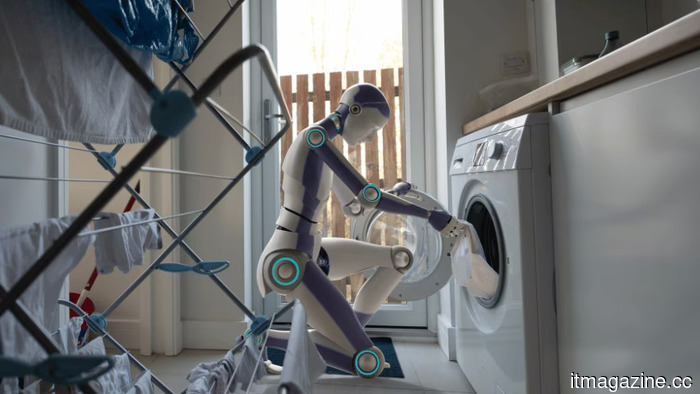 China's smartphone supply chain shifts focus to humanoid robots as Lingyi iTech aims for production of 500,000 units by 2030.
Lingyi iTech, Lens Technology, and Foxconn are converting their smartphone manufacturing facilities for humanoid robots. Morgan Stanley has increased its 2026 forecast for China to 28,000 units.
China's smartphone supply chain shifts focus to humanoid robots as Lingyi iTech aims for production of 500,000 units by 2030.
Lingyi iTech, Lens Technology, and Foxconn are converting their smartphone manufacturing facilities for humanoid robots. Morgan Stanley has increased its 2026 forecast for China to 28,000 units.
 Amazon's revenue in Q1 reaches $181.5 billion, but the $16.8 billion gain from Anthropic inflates net income, while free cash flow declines by 95%.
AWS increased by 28% to reach $37.6 billion, while Amazon's custom chip division surpassed $20 billion on an annualized basis. However, over half of the net income was derived from a revaluation of the Anthropic investment.
Amazon's revenue in Q1 reaches $181.5 billion, but the $16.8 billion gain from Anthropic inflates net income, while free cash flow declines by 95%.
AWS increased by 28% to reach $37.6 billion, while Amazon's custom chip division surpassed $20 billion on an annualized basis. However, over half of the net income was derived from a revaluation of the Anthropic investment.
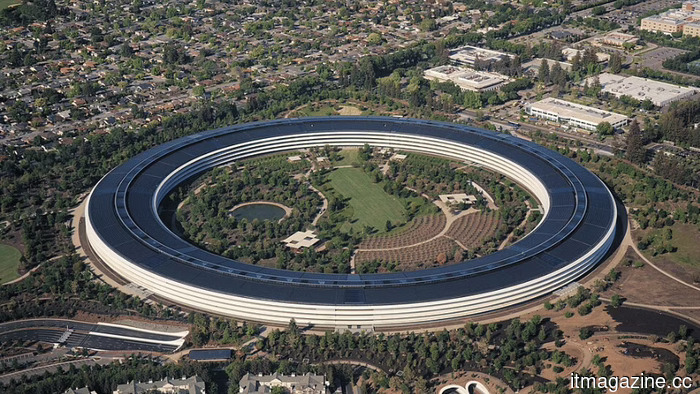 Apple abandons its net cash neutral goal as incoming CEO Ternus gets ready to invest in AI and make acquisitions.
Apple has discontinued its net cash neutral policy following Q2 earnings of $111.2 billion. Incoming CEO Ternus will have the ability to invest instead of returning all cash to shareholders.
Apple abandons its net cash neutral goal as incoming CEO Ternus gets ready to invest in AI and make acquisitions.
Apple has discontinued its net cash neutral policy following Q2 earnings of $111.2 billion. Incoming CEO Ternus will have the ability to invest instead of returning all cash to shareholders.
 The Academy has officially stated that AI is not eligible to win an Oscar for acting or writing.
The Academy has affirmed that AI will not be eligible for Oscars in acting or writing, emphasizing that human performances and creativity are still crucial, even with the increasing incorporation of AI in the film industry.
The Academy has officially stated that AI is not eligible to win an Oscar for acting or writing.
The Academy has affirmed that AI will not be eligible for Oscars in acting or writing, emphasizing that human performances and creativity are still crucial, even with the increasing incorporation of AI in the film industry.
As the RAM crisis impacts the gaming sector, Nvidia may bring back a previous RTX 3000 series GPU.
Nvidia might reintroduce the RTX 3060 due to VRAM shortages affecting gaming GPUs, providing a sensible option with increased memory despite its older design.