
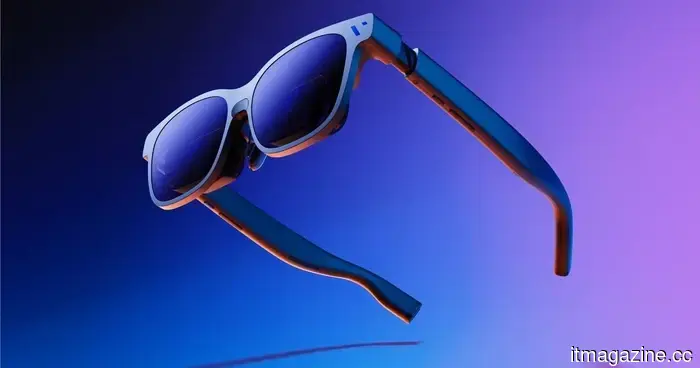
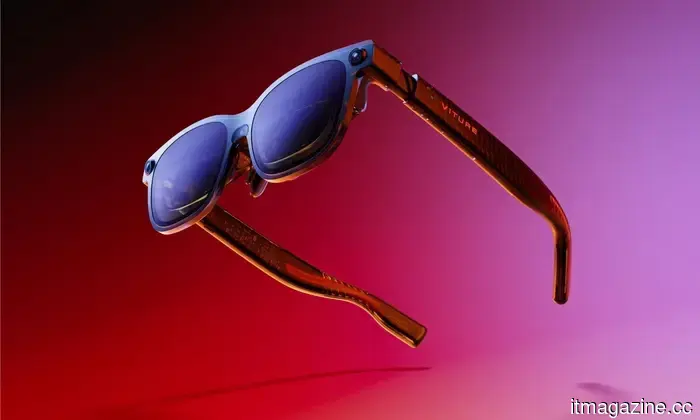
VITURE Beast XR glasses launch featuring a 174-inch virtual display and an expanded field of view.
VITURE has officially introduced its third-generation XR glasses, the VITURE Beast, claiming it to be their most sophisticated and ready-for-consumer product to date. Priced at $549, it will be available starting April 27 through Amazon, Best Buy, and the company’s website, showcasing a clear intention to popularize extended reality hardware.
A More Refined XR Product for Daily Use
The VITURE Beast marks a significant advancement in the development of XR glasses. It offers a virtual display size of 174 inches at a resolution of 1920×1200 for each eye, utilizing Sony’s latest micro-OLED optical technology. With a 58-degree field of view, the company asserts it provides one of the broadest viewing experiences available in consumer XR glasses today.
This launch is significant not only for its hardware but also for its market positioning. Unlike previous XR products that often felt experimental, VITURE is presenting the Beast as a fully developed, market-ready item. Features such as onboard 3DoF spatial tracking (VisionPair), Smart Auto Transparency, and various viewing modes are built directly into the glasses, removing the need for external sensors or companion applications.
This aligns with a broader trend in the industry where XR devices are shifting from accessory-reliant setups to standalone systems.
Importance for the XR Market
The XR market has faced challenges related to accessibility and practicality, frequently requiring complicated setups or specialized use. The VITURE Beast seeks to tackle these issues by streamlining connectivity and enhancing compatibility.
These glasses connect to devices like iPhones, MacBooks, Windows PCs, and handheld gaming systems via a single USB-C cable. They also support consoles like PlayStation 5 and Xbox Series X|S with an optional dock, positioning them as one of the few XR products that connect mobile, PC, and console ecosystems.
This compatibility is crucial, as it reduces barriers for consumers. Rather than necessitating the creation of an entirely new ecosystem, VITURE is allowing users to integrate the device with tech they already possess.
Why This Is Relevant for Users
For users, the appeal lies in versatility. The Beast is crafted to serve as a portable private display for entertainment, gaming, and productivity. With a maximum brightness of 1,250 nits, a 120Hz refresh rate, and a DCI-P3 107% color gamut, it aims to remain functional even in bright conditions, while a 9-level electrochromic dimming system enables users to customize their immersive experience.
Comfort is also emphasized. Weighing 88 grams, with adjustable nose pads and accommodation for prescription lenses, the device is designed for prolonged usage. Integrated spatial audio minimizes the necessity for additional accessories, creating a more self-sufficient experience.
Nonetheless, a lingering question is whether XR glasses can evolve from being novelties to essentials. While hardware advancements are evident, widespread adoption will hinge on how naturally these devices fit into daily life.
Future Directions for VITURE and XR Glasses
The debut of the Beast reflects increasing confidence in the XR sector. By ensuring broad retail availability from the outset, VITURE is clearly aiming for a wider customer base beyond just early adopters.
Looking forward, ongoing software updates and the expansion of the ecosystem will be crucial. The company has already indicated that the device will see enhancements over time via firmware updates, suggesting a longer lifecycle strategy.
For the XR industry as a whole, products like the Beast underscore a transformative shift – moving from experimental technologies to practical consumer products. The success of this transition will depend not only on hardware enhancements but also on the attractiveness of everyday applications.
Other articles
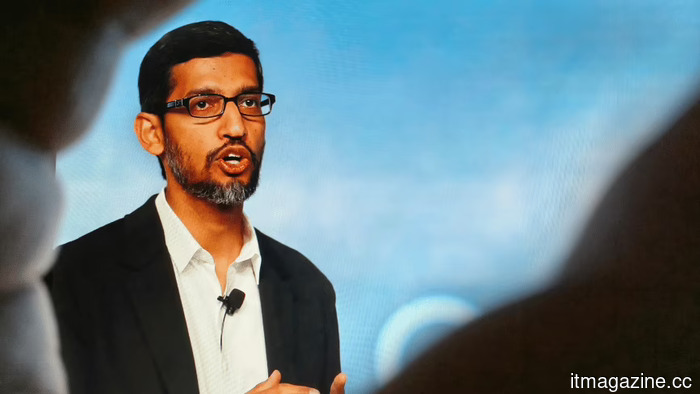 Over 580 Google employees, including researchers from DeepMind, are calling on Pichai to reject a classified AI contract with the Pentagon.
More than 580 employees at Google signed a letter against classified military AI projects. Google is unable to oversee the usage of Gemini on air-gapped networks. Last year, the company eliminated its self-imposed restrictions regarding weapons.
Over 580 Google employees, including researchers from DeepMind, are calling on Pichai to reject a classified AI contract with the Pentagon.
More than 580 employees at Google signed a letter against classified military AI projects. Google is unable to oversee the usage of Gemini on air-gapped networks. Last year, the company eliminated its self-imposed restrictions regarding weapons.
 WhatsApp for Windows feels worse than it ever has, and I'm fed up with pretending it's not.
From slow performance and unexpected logouts to a controversial redesign, WhatsApp's Windows application is causing frustration for many desktop users.
Microsoft relinquishes its exclusive license to OpenAI’s technology.
Microsoft and OpenAI have restructured their partnership, making Microsoft's license non-exclusive until 2032.
Microsoft relinquishes its exclusive license to OpenAI's technology.
Microsoft and OpenAI have revised their partnership agreement, making Microsoft’s license non-exclusive until 2032.
WhatsApp for Windows feels worse than it ever has, and I'm fed up with pretending it's not.
From slow performance and unexpected logouts to a controversial redesign, WhatsApp's Windows application is causing frustration for many desktop users.
Microsoft relinquishes its exclusive license to OpenAI’s technology.
Microsoft and OpenAI have restructured their partnership, making Microsoft's license non-exclusive until 2032.
Microsoft relinquishes its exclusive license to OpenAI's technology.
Microsoft and OpenAI have revised their partnership agreement, making Microsoft’s license non-exclusive until 2032.
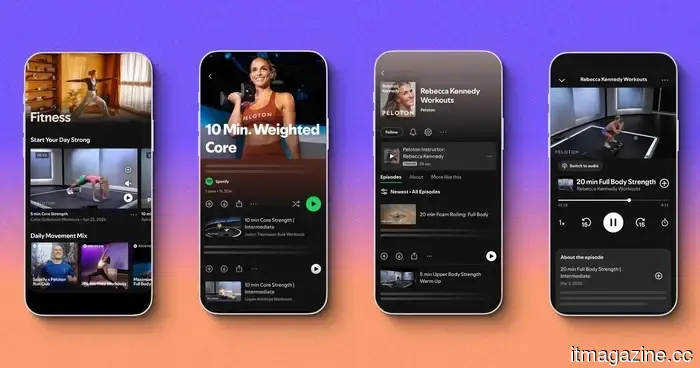 Spotify aims to become your fitness coach by offering guided workout sessions.
Spotify has officially ventured into the fitness sector by introducing a dedicated Fitness hub that allows Premium users to access more than 1,400 Peloton classes on demand.
Spotify aims to become your fitness coach by offering guided workout sessions.
Spotify has officially ventured into the fitness sector by introducing a dedicated Fitness hub that allows Premium users to access more than 1,400 Peloton classes on demand.
 How Arpit Agrawal is expanding consumer markets in emerging economies
Arpit Agrawal is developing distribution ecosystems in emerging markets by integrating global brands, local connections, and digital technologies to access billions of consumers.
How Arpit Agrawal is expanding consumer markets in emerging economies
Arpit Agrawal is developing distribution ecosystems in emerging markets by integrating global brands, local connections, and digital technologies to access billions of consumers.
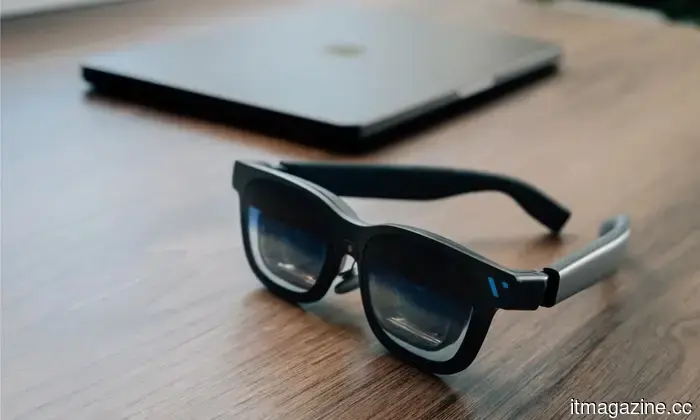
VITURE Beast XR glasses launch featuring a 174-inch virtual display and an expanded field of view.
VITURE has introduced its Beast XR glasses, which feature a larger virtual display, enhanced brightness, and standalone capabilities, with the goal of making XR experiences more accessible to mainstream users.