
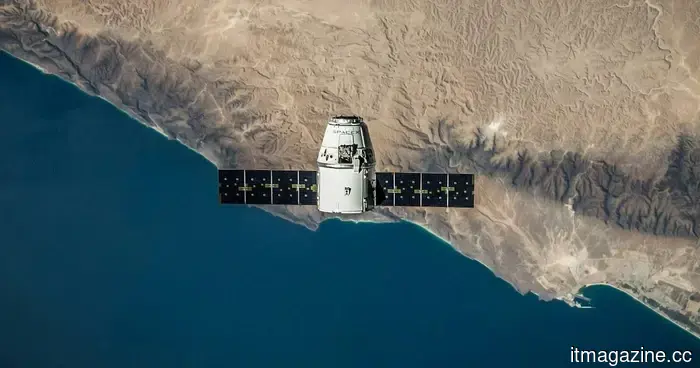
Meta's newest astonishing agreement involves transmitting solar energy via satellites even during nighttime.
Meta has never been accused of thinking small.
The company behind major social media and messaging platforms such as Facebook, Instagram, Messenger, and WhatsApp is now exploring the possibility of delivering sunlight from space to power its AI data centers after sunset (according to TechCrunch).
Overview Energy
What has Meta actually committed to?
Meta has entered into a capacity reservation agreement with a four-year-old startup in Virginia, known as Overview Energy, to obtain up to one gigawatt of energy generated by a network of geosynchronous satellites located approximately 22,000 miles above the Earth.
These satellites continuously gather sunlight in space. Under the terms of the agreement, they will send this energy back to Earth as low-intensity near-infrared light, which will then be converted into electricity by Meta’s existing terrestrial solar farms. In essence, the company will harness solar power that remains available even when the sun has set.
With the increasing demand for AI-driven features and services for consumers and enterprises, Meta’s data centers consumed over 18,000 gigawatt-hours of electricity in 2024, which is enough to power about 1.7 million American households for a year.
Meta
When does Overview anticipate full commercial deployment?
As the demand continues to grow alongside the popularity of AI workloads, and given that traditional solar panels can only generate electricity during the day unless paired with costly battery storage, Meta is necessitated to obtain power directly from space, where solar energy is plentiful.
Overview has already scheduled a low Earth orbit satellite demonstration for January 2028, with full commercial deployment expected from geosynchronous orbit around 2030. The company plans to launch a fleet of as many as 1,000 satellites to provide coverage for approximately one-third of the planet, which may attract other energy-intensive customers.
The concept of transmitting solar energy from space and converting it into electricity is thrilling and could represent one of the most revolutionary technological advancements, potentially aiding in the reduction of our dependence on conventional energy sources while making solar energy more available.
Nadeem Sarwar / Digital Trends
This highlights the severity of the potential AI energy crisis ahead
However, it also serves as a warning about the escalating energy demands of AI (potentially leading to a crisis). When the world's largest social media platform and AI entity begins reserving its place for solar energy from satellites that have yet to be launched, it underscores the seriousness of the race to achieve sustainable power for AI.
The existing grid alone will likely not suffice for all the companies requiring substantial energy. It would not be surprising if more AI firms begin to flock to Overview to secure their positions in the near future.

Other articles
 Meta's newest astonishing project involves transmitting solar power via satellites, even during nighttime.
Meta has committed to obtaining energy from a network of 1,000 satellites in space that will gather sunlight while in geosynchronous orbit and transmit it as infrared light to solar farms on Earth.
Meta's newest astonishing project involves transmitting solar power via satellites, even during nighttime.
Meta has committed to obtaining energy from a network of 1,000 satellites in space that will gather sunlight while in geosynchronous orbit and transmit it as infrared light to solar farms on Earth.
 You can confidently disregard those viral videos that depict a phone's LED flash causing plastic to melt.
Viral videos portray Samsung flashlights as if they're small blowtorches, but it's the setup that's responsible for most of the theatrics.
You can confidently disregard those viral videos that depict a phone's LED flash causing plastic to melt.
Viral videos portray Samsung flashlights as if they're small blowtorches, but it's the setup that's responsible for most of the theatrics.
 Sleep apps can be beneficial for keeping a healthy routine, but they can also add stress for those who suffer from insomnia.
Individuals displaying symptoms of insomnia were notably more inclined to report adverse effects from sleep tracking applications. Continuous exposure to data indicating sleep deficits may heighten pre-existing anxiety regarding sleep, a phenomenon referred to by researchers as orthosomnia.
Sleep apps can be beneficial for keeping a healthy routine, but they can also add stress for those who suffer from insomnia.
Individuals displaying symptoms of insomnia were notably more inclined to report adverse effects from sleep tracking applications. Continuous exposure to data indicating sleep deficits may heighten pre-existing anxiety regarding sleep, a phenomenon referred to by researchers as orthosomnia.
 China restricts foreign investment in the Manus AI project as increasing scrutiny on AI exports intensifies.
China's National Development and Reform Commission (NDRC) announced today that it has made a decision in accordance with existing laws and regulations.
China restricts foreign investment in the Manus AI project as increasing scrutiny on AI exports intensifies.
China's National Development and Reform Commission (NDRC) announced today that it has made a decision in accordance with existing laws and regulations.
 There won't be a Season 6 of Yellowstone — here's what will take its place.
What’s going on with Kevin Costner and the future of Yellowstone? Here’s all the information you need regarding season 6 of Yellowstone.
There won't be a Season 6 of Yellowstone — here's what will take its place.
What’s going on with Kevin Costner and the future of Yellowstone? Here’s all the information you need regarding season 6 of Yellowstone.
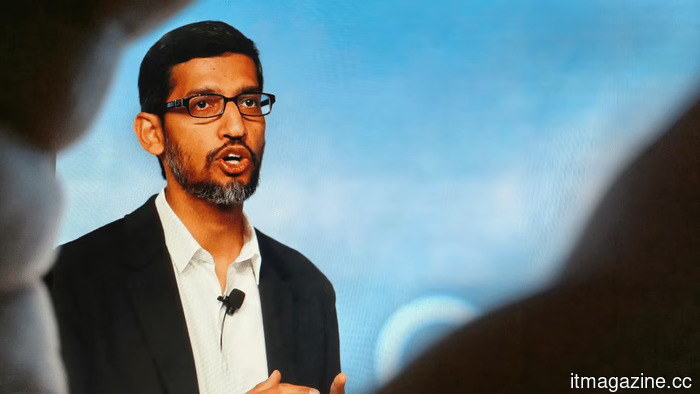 More than 580 Google employees, including researchers from DeepMind, are urging Pichai to decline a classified AI contract with the Pentagon.
More than 580 employees at Google have signed a letter against classified military AI projects. On air-gapped networks, Google is unable to track the usage of Gemini. Last year, the company eliminated its own limits regarding weaponry.
More than 580 Google employees, including researchers from DeepMind, are urging Pichai to decline a classified AI contract with the Pentagon.
More than 580 employees at Google have signed a letter against classified military AI projects. On air-gapped networks, Google is unable to track the usage of Gemini. Last year, the company eliminated its own limits regarding weaponry.
Meta's newest astonishing agreement involves transmitting solar energy via satellites even during nighttime.
Meta has consented to obtain energy from a constellation of 1,000 satellites in space, which will harvest sunlight while in geosynchronous orbit and transmit it in the form of infrared light to solar farms on Earth.