
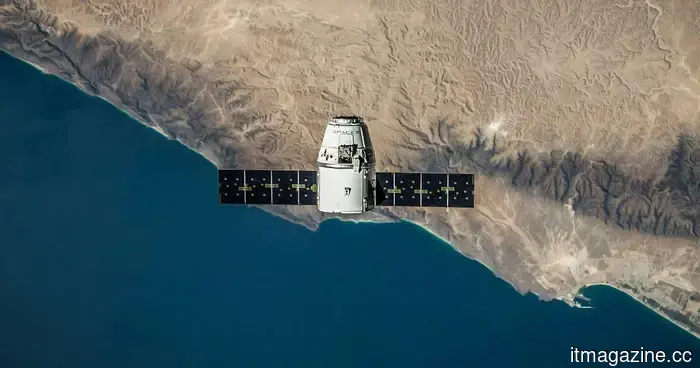
Meta's newest astonishing project involves transmitting solar power via satellites, even during nighttime.
Among the various accusations directed at Meta, the notion of thinking small has never been one of them.
The firm, which owns leading social media and messaging platforms such as Facebook, Instagram, Messenger, and WhatsApp, is now exploring the possibility of transmitting sunlight from space to power its AI data centers after dark (as reported by TechCrunch).
**Overview Energy**
What has Meta actually committed to?
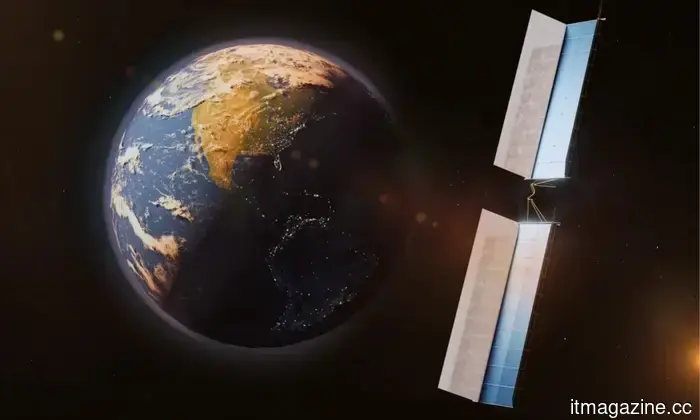
Meta has entered a capacity reservation agreement with a four-year-old Virginia-based startup, Overview Energy, to receive up to one gigawatt of power produced by a fleet of geosynchronous satellites, positioned approximately 22,000 miles above Earth.
These satellites continuously gather sunlight in space. Under the agreement, they will relay it back to Earth as low-intensity near-infrared light, which Meta’s existing solar farms will then convert into electricity. Essentially, this means the company will have access to solar power that remains available even at night.
As the demand for AI-driven features and services for consumers and businesses continues to grow, Meta's data centers consumed over 18,000 gigawatt-hours of electricity in 2024, enough to power around 1.7 million American homes for an entire year.
**Meta**
When does Overview anticipate full commercial rollout?
With ongoing growth in AI workloads and the limitation of traditional solar panels to daytime electricity production (unless combined with extensive and costly battery storage), Meta is driven to harness power directly from space, where solar energy is abundant.
Overview has scheduled a low Earth orbit satellite demonstration for January 2028, with expectations for full commercial deployment from geosynchronous orbit by around 2030. The company aims to deploy a fleet of up to 1,000 satellites to cover about one-third of the planet, potentially attracting other energy-intensive clients.
To me, the idea of transmitting solar power from space and converting it into electricity is thrilling and could represent one of the most groundbreaking technological advancements, potentially helping to reduce our dependence on traditional energy sources and enhancing access to solar energy.
**Nadeem Sarwar / Digital Trends**
This indicates the potential severity of the AI energy crisis in the coming years.
However, it also serves as a warning about the trajectory of AI energy demands, which could lead to a possible crisis. When the largest social media platform (and AI company) starts reserving slots to obtain solar energy from satellites that are not yet built, it underscores the urgency of the race to power AI sustainably.
The existing power grid alone will undoubtedly be insufficient for all companies that require immense amounts of energy. It wouldn't be surprising if other AI firms quickly pursue similar agreements with Overview to secure their positions soon.
Other articles
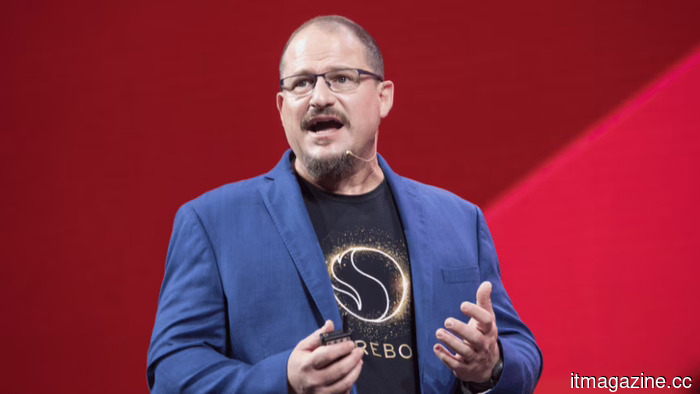 OpenAI is collaborating with Qualcomm and MediaTek to create an AI agent smartphone, aiming for annual shipments of 300-400 million units by 2028.
According to analyst Ming-Chi Kuo, OpenAI is developing a phone designed primarily for agents in collaboration with Qualcomm, MediaTek, and Luxshare. The device will not include apps, only agents. Mass production is aimed for 2028. Following this news, Qualcomm's stock rose by 13%.
OpenAI is collaborating with Qualcomm and MediaTek to create an AI agent smartphone, aiming for annual shipments of 300-400 million units by 2028.
According to analyst Ming-Chi Kuo, OpenAI is developing a phone designed primarily for agents in collaboration with Qualcomm, MediaTek, and Luxshare. The device will not include apps, only agents. Mass production is aimed for 2028. Following this news, Qualcomm's stock rose by 13%.
 The upcoming Galaxy Glasses from Samsung have been leaked, and their design is not particularly impressive.
Samsung's Galaxy Glasses have been seen in photos for the first time, and they appear nearly identical to Meta's Ray-Bans. They are referred to by the codename "Jinju."
The upcoming Galaxy Glasses from Samsung have been leaked, and their design is not particularly impressive.
Samsung's Galaxy Glasses have been seen in photos for the first time, and they appear nearly identical to Meta's Ray-Bans. They are referred to by the codename "Jinju."
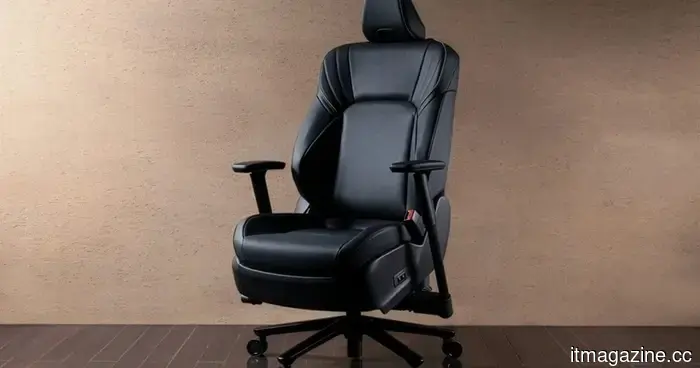 Toyota has created a gaming chair that is likely pricier than your gaming setup.
Toyota transformed the front seat of its Crown automobile into an extravagant office chair, featuring heating, ventilation, power adjustments, and a USB-C port in place of the seat belt buckle. The cost? Almost $3,500.
Toyota has created a gaming chair that is likely pricier than your gaming setup.
Toyota transformed the front seat of its Crown automobile into an extravagant office chair, featuring heating, ventilation, power adjustments, and a USB-C port in place of the seat belt buckle. The cost? Almost $3,500.
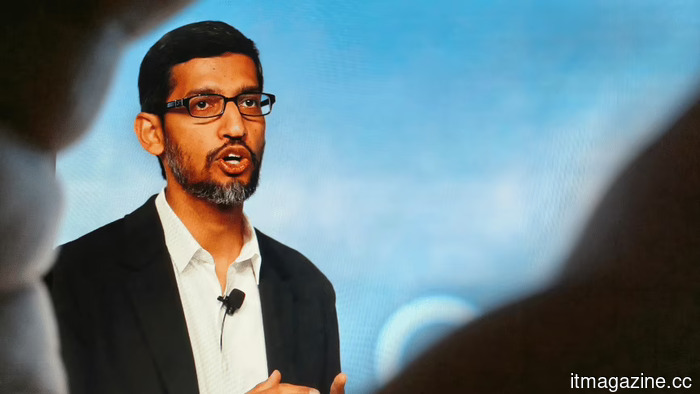 Over 580 Google employees, including researchers from DeepMind, are urging Pichai to decline a classified AI agreement with the Pentagon.
More than 580 Google employees have signed a letter in opposition to classified military AI projects. On air-gapped networks, Google is unable to track the usage of Gemini. Last year, the company eliminated its own restrictions regarding weapons.
Over 580 Google employees, including researchers from DeepMind, are urging Pichai to decline a classified AI agreement with the Pentagon.
More than 580 Google employees have signed a letter in opposition to classified military AI projects. On air-gapped networks, Google is unable to track the usage of Gemini. Last year, the company eliminated its own restrictions regarding weapons.
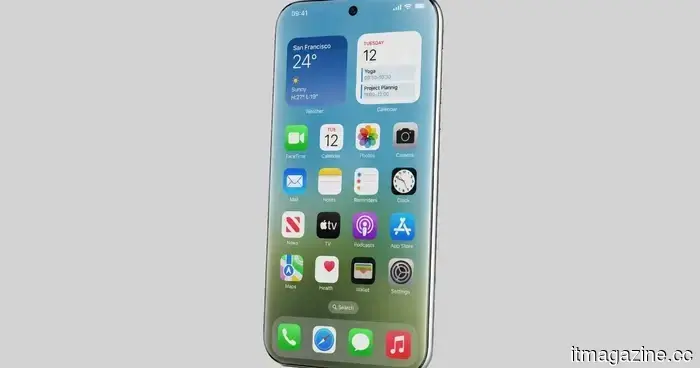 The iPhone's reintroduction of curved displays might be a smart maneuver, rather than just a design choice of sloped glass.
Leaker Ice Universe suggests that the iPhone celebrating Apple's 20th anniversary may incorporate a "Liquid Glass Display," a new type of display technology that minimizes the appearance of bezels through optical illusions rather than relying solely on curves.
The iPhone's reintroduction of curved displays might be a smart maneuver, rather than just a design choice of sloped glass.
Leaker Ice Universe suggests that the iPhone celebrating Apple's 20th anniversary may incorporate a "Liquid Glass Display," a new type of display technology that minimizes the appearance of bezels through optical illusions rather than relying solely on curves.
 There won't be a Season 6 of Yellowstone — here's what will take its place.
What’s going on with Kevin Costner and the future of Yellowstone? Here’s all the information you need regarding season 6 of Yellowstone.
There won't be a Season 6 of Yellowstone — here's what will take its place.
What’s going on with Kevin Costner and the future of Yellowstone? Here’s all the information you need regarding season 6 of Yellowstone.
Meta's newest astonishing project involves transmitting solar power via satellites, even during nighttime.
Meta has committed to obtaining energy from a network of 1,000 satellites in space that will gather sunlight while in geosynchronous orbit and transmit it as infrared light to solar farms on Earth.