
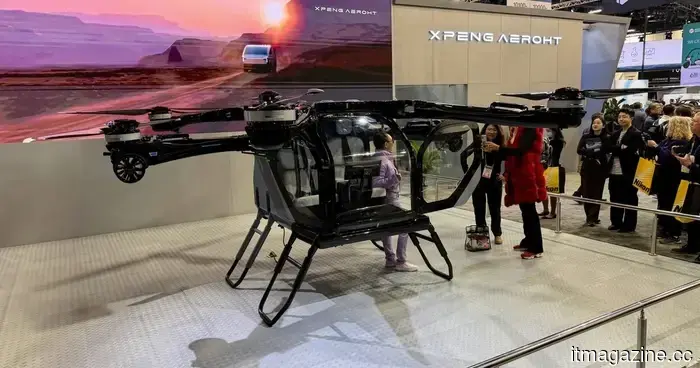
One of China's most talked-about electric vehicle manufacturers aims to launch flying cars next year.
We might see flying cars as soon as next year.
Xpeng, a prominent Chinese electric vehicle manufacturer, is literally aiming for the skies. The company is optimistic about its flying cars reaching customers soon. Although this may seem like something out of science fiction, Xpeng has started discussing orders, regulatory approvals, and mass production.
When can we anticipate these flying cars taking to the air?
According to a report by Reuters, Xpeng plans to commence large-scale production of its "flying" vehicles in 2027. The company’s President, Brian Gu, mentioned that they have already secured more than 7,000 orders, primarily from China. They are currently working on obtaining the necessary approvals from the nation's aviation authorities. Gu expressed optimism that next year could mark the beginning of full-scale deliveries, though certification is still a critical prerequisite.
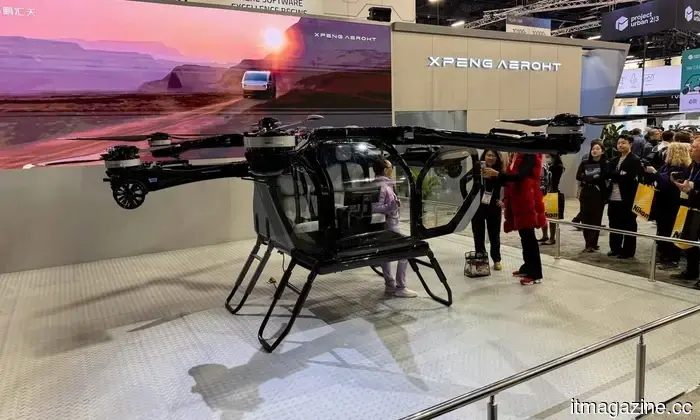
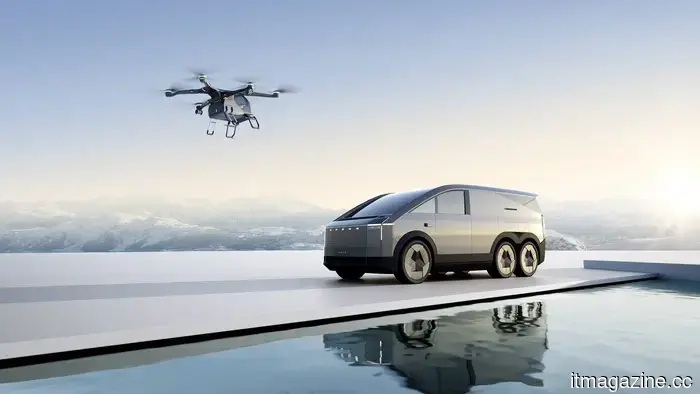
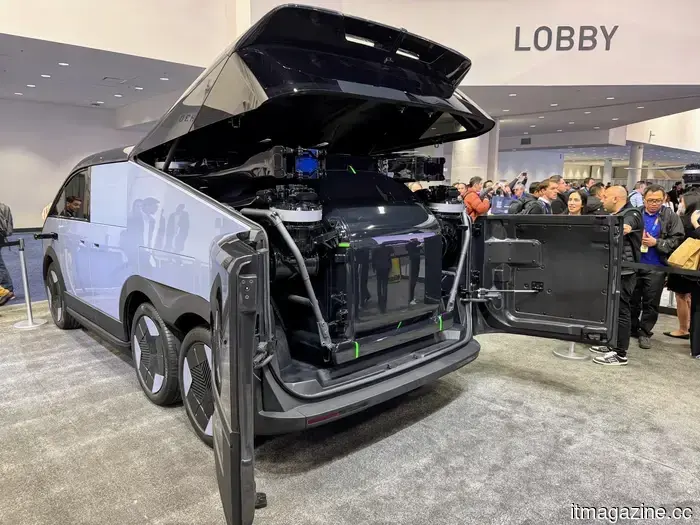
The vehicle in question is Xpeng’s AeroHT, described as a “Land Aircraft Carrier.” This setup features a six-wheeled van that carries a detachable two-seat electric aircraft at the rear.
Flying cars are just one aspect of Xpeng's broader ambitions.
The executive is also focusing on other projects that are expected to launch soon, including mass production of humanoid robots projected for the fourth quarter of 2026, while 2027 will be pivotal for robotaxi testing in partnership with international collaborators. Xpeng plans to initiate robotaxi trials in Guangzhou this year, poised to produce hundreds to thousands of robotaxis within the next 12 to 18 months.
Thus, the EV manufacturer is not merely viewing the flying car as a whimsical side endeavor; rather, it is part of a comprehensive shift toward future mobility, which encompasses robotics, autonomous driving, and global expansion. Xpeng currently operates in approximately 60 countries beyond China, with more than half of its revenue generated from international markets in recent years.
Vikhyaat Vivek is a tech journalist and reviewer with seven years of experience focused on consumer hardware.
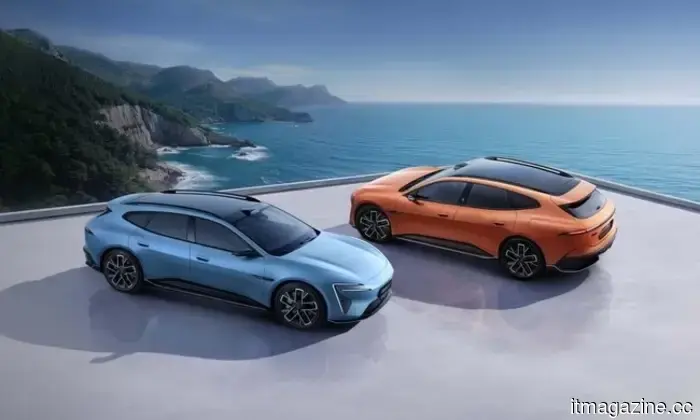
This stylish electric sedan is priced under $32,900 and outperforms Tesla with an impressive range of over 770 miles.
Avatr has introduced the 06T sedan in China, and its specifications are immediately attention-grabbing. The sleek electric sedan starts at ¥219,900, approximately $32,000, and offers surprisingly high-end features. For that price, buyers get a vehicle equipped with Huawei technology, a premium interior, and a striking range claim that exceeds 700 miles in its range-extender variant.
Why this figure is significant
Volvo’s parent company has introduced an elegant electric sedan that will be inaccessible to US customers.
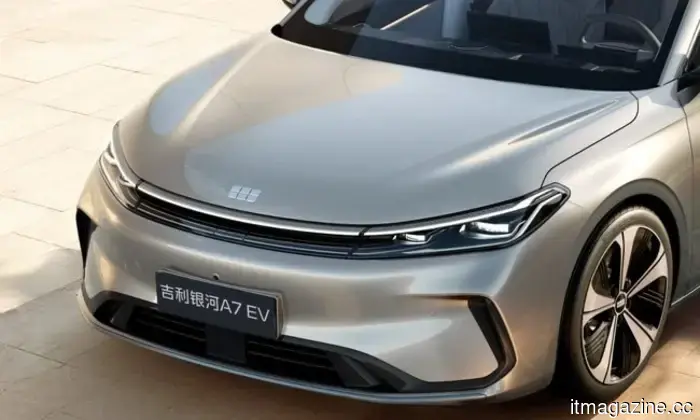
Official images reveal Geely’s new EV sedan, which boasts a claimed range of up to 550km, but this economical model is likely to bypass US markets.
Geely has launched the Galaxy A7 EV in China, which addresses a common concern for American car buyers. This electric sedan combines a sleek, mainstream design with a stated CLTC range of 550km, entering the market at a price that appears remarkably low by Western EV standards. However, it seems destined to remain outside US dealerships.
Autonomous vehicles were expected to liberate us from traffic chaos, but research indicates otherwise.
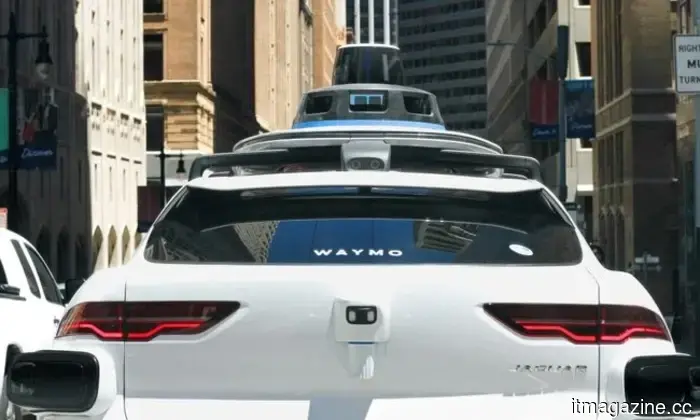
The dream of self-driving cars may be turning into a traffic nightmare. Self-driving vehicles promised a future where individuals could relax and effortlessly bypass gridlock while the car manages everything. However, a new study from the University of Texas at Arlington brings disappointing news for that vision. Research indicates that the widespread use of autonomous vehicles could actually exacerbate traffic congestion significantly.
Professors Stephen Mattingly and Farah Naz conducted a meta-analysis on the potential impact of self-driving cars on vehicle miles traveled (VMT). Their findings indicated an average increase of 5.95% in vehicle miles traveled, with non-shared autonomous vehicles pushing that number even higher, nearing 7%.

Other articles
 The United States has recently instructed China to cease its imitation of American AI. However, implementing this directive will be the challenging aspect.
The OSTP reports that China is conducting large-scale operations to extract US AI models. OpenAI, Anthropic, and Google are collaborating to share threat intelligence. Meanwhile, Congress is in the process of creating sanctions.
Zapata Quantum has secured $15 million following its exit from bankruptcy.
Zapata Quantum has secured $15 million after narrowly avoiding liquidation in 2024 and undergoing a two-phase restructuring that tackled $18.7 million in debt.
The United States has recently instructed China to cease its imitation of American AI. However, implementing this directive will be the challenging aspect.
The OSTP reports that China is conducting large-scale operations to extract US AI models. OpenAI, Anthropic, and Google are collaborating to share threat intelligence. Meanwhile, Congress is in the process of creating sanctions.
Zapata Quantum has secured $15 million following its exit from bankruptcy.
Zapata Quantum has secured $15 million after narrowly avoiding liquidation in 2024 and undergoing a two-phase restructuring that tackled $18.7 million in debt.
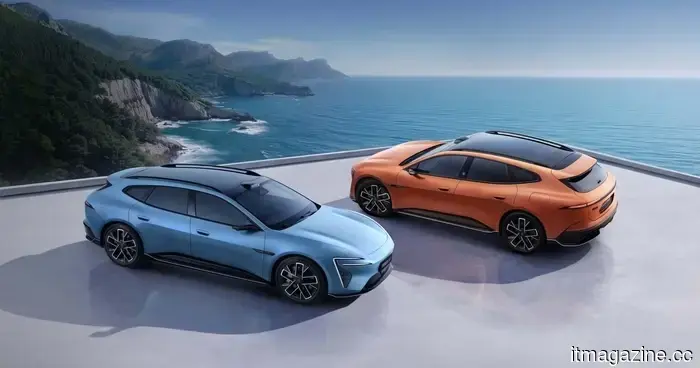 This stylish electric sedan is priced at less than $32,900 and outperforms Tesla with a range exceeding 770 miles.
The new Avatr sedan offers a luxurious appearance, a cost below $32,900, and a range-extender configuration that is estimated to achieve over 770 miles of CLTC driving.
This stylish electric sedan is priced at less than $32,900 and outperforms Tesla with a range exceeding 770 miles.
The new Avatr sedan offers a luxurious appearance, a cost below $32,900, and a range-extender configuration that is estimated to achieve over 770 miles of CLTC driving.
 Apple TV 4K might finally progress beyond being just a streaming device.
The upcoming Apple TV 4K may introduce Apple Intelligence, a new chip, an upgraded Siri, and enhanced audio and video features. Here’s what these speculated enhancements could imply for your user experience.
Apple TV 4K might finally progress beyond being just a streaming device.
The upcoming Apple TV 4K may introduce Apple Intelligence, a new chip, an upgraded Siri, and enhanced audio and video features. Here’s what these speculated enhancements could imply for your user experience.
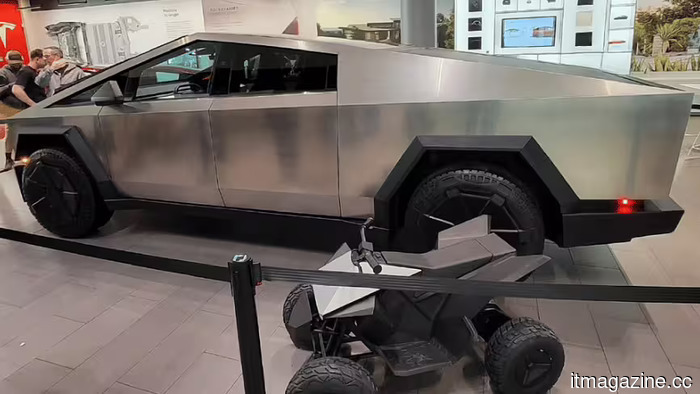 Tesla sales and elevated gasoline prices: Interest in electric vehicles is increasing, yet the US market contracted by 28% following the expiration of the tax credit.
Gas prices in the US surpassed $4 per gallon, and interest in electric vehicles (EVs) reached its highest level since 2026. However, overall EV sales declined by 28%, and Tesla did not meet its delivery projections. The tax credit had a greater impact than the price at the gas station.
Tesla sales and elevated gasoline prices: Interest in electric vehicles is increasing, yet the US market contracted by 28% following the expiration of the tax credit.
Gas prices in the US surpassed $4 per gallon, and interest in electric vehicles (EVs) reached its highest level since 2026. However, overall EV sales declined by 28%, and Tesla did not meet its delivery projections. The tax credit had a greater impact than the price at the gas station.
One of China's most talked-about electric vehicle manufacturers aims to launch flying cars next year.
Xpeng is targeting mass production of its flying cars next year, having already received over 7,000 orders, while aviation approvals are still pending in China.