
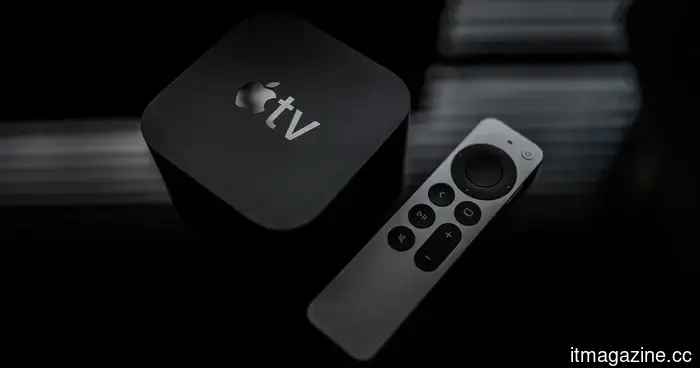
Apple TV 4K might finally progress beyond being just a streaming device.
The Apple TV 4K has consistently been one of Apple's stable products. While updates have enhanced its performance and introduced new features, the overall user experience has largely remained unchanged. It has been dependable, refined, and predictable.
However, this may soon change.
The upcoming Apple TV 4K is expected to be a more substantial update, not due to a single feature but because of the combination of several changes. The anticipated introduction of a new chip, deeper integration of Apple Intelligence, advancements in video and audio capabilities, and a more significant role in smart home ecosystems all suggest a device that is being redefined rather than simply enhanced.
A new chip could enable a different set of features
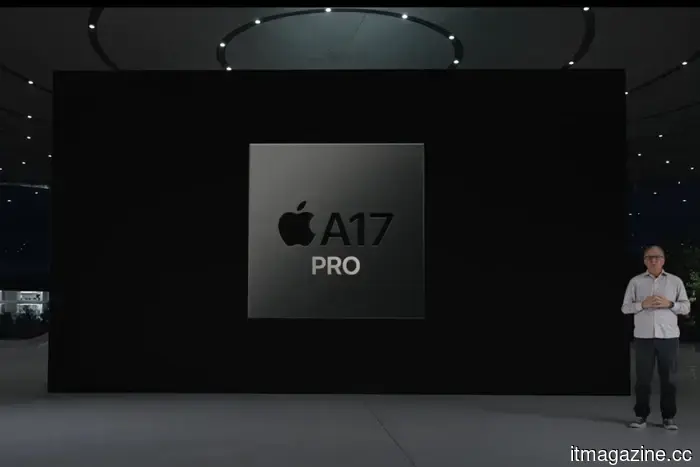
One of the most significant rumored enhancements is the switch to the A17 Pro chip, replacing the A15 Bionic in the current model.
The primary assumption is improved performance, which will certainly be part of the equation. Expect quicker app launches, smoother multitasking, and more responsive navigation. However, the more profound implication is what the A17 Pro makes possible.
This chip serves as the foundational requirement for Apple Intelligence, and currently, the Apple TV is one of the few Apple products lacking this capability. Adding this functionality would transition the device from a passive content player to something more interactive and aware of its context.
Siri could become much more effective in daily use
Apple Intelligence is closely linked with Siri’s next development, which is expected to go beyond basic voice commands. Features like app intent integration, personal context awareness, and on-screen comprehension are all part of this evolution.
In practical terms, this changes how users engage with their TV.
Instead of needing specific phrasing or limited commands, interactions will feel more natural. A viewer could ask for the name of an actor, request a scene summary, or seek to understand the significance of a moment in a show, and the system would respond with awareness of what is currently displayed. This capability would extend across different apps rather than being restricted to one platform.
The impact would be even more evident when using the Apple TV as a smart home hub. Tasks like responding to a doorbell alert or managing connected devices could be performed through contextual commands that consider both what appears on screen and the user’s intentions. This creates a more seamless interaction model that resembles direct control rather than merely issuing commands.
Video upgrades could enhance real-world viewing quality
As hardware progresses, video technologies usually advance as well, and this update could align with enhancements in Dolby Vision capabilities.
Features aimed at improving black detail are designed to enhance visibility in darker scenes without sacrificing artistic intent. Adjustments based on ambient light conditions aim to maintain consistent picture quality in various settings. Further optimizations for sports and fast-moving content focus on enhancing clarity and motion handling.
These developments build on Apple’s existing calibration tools but shift toward a more adaptive system that dynamically responds to viewing conditions instead of relying solely on manual adjustments.
Connectivity might improve across devices
Another rumored addition is Apple's N1 networking chip, which combines Wi-Fi, Bluetooth, and Thread connectivity.
For a device that already serves as a smart home hub, this presents clear practical advantages. Enhanced network stability would lead to more responsive smart home controls, quicker device pairing, and more reliable communication within the Apple ecosystem.
Features like AirPlay would also benefit from stronger connectivity, reducing latency and enhancing consistency when streaming or sharing content between devices. While these enhancements may not always be immediately apparent, they address friction points that impact everyday use.
A built-in camera could broaden the device's functionality
There’s ongoing speculation about a built-in camera.
Currently, using an iPhone as a camera for video calls on the Apple TV requires extra steps and setup. A dedicated camera with features like Center Stage tracking would streamline this process and enhance accessibility.
This could also open the door to multiple product tiers. A standard Apple TV 4K could focus on media consumption while a premium version could incorporate features that facilitate communication and more advanced smart home interactions. Recent software updates, particularly involving FaceTime, suggest Apple is preparing for this type of hardware integration.
Audio support might finally align with high-end systems
Audio pass-through is another long-desired feature potentially included in this update.
At present, the Apple TV handles audio decoding internally. While this works well in many instances, it can limit flexibility when paired with specialized audio equipment like receivers. Pass-through would allow external systems to decode audio directly, improving compatibility with a broader range of audio formats and setups.
For users with sophisticated home theater configurations, this represents a significant upgrade that aligns the Apple TV more closely with high-end audio systems.
The timing indicates a larger strategy
Current predictions target a launch around spring 2026, aligning with Apple’s broader strategy in smart home products.
If new devices, such as smart displays, connected cameras, or other home accessories, are introduced alongside it, the Apple TV will become part of a more integrated ecosystem. It already functions as a central hub, but with enhanced integration and AI-driven capabilities,

Other articles
 Volvo's parent company has just produced an elegant $14,300 electric sedan that will be out of reach for US buyers.
Geely's Galaxy A7 EV features a popular design, an asserted range of 550km, and pricing that is still lower than many competitors. However, this electric sedan launched in China seems likely to remain unavailable to US consumers.
Volvo's parent company has just produced an elegant $14,300 electric sedan that will be out of reach for US buyers.
Geely's Galaxy A7 EV features a popular design, an asserted range of 550km, and pricing that is still lower than many competitors. However, this electric sedan launched in China seems likely to remain unavailable to US consumers.
 This stylish electric sedan is priced at less than $32,900 and surpasses Tesla with a range exceeding 770 miles.
The new Avatr sedan features a sophisticated design, is priced below $32,900, and offers a range-extending configuration that is estimated to achieve over 770 miles of CLTC driving.
This stylish electric sedan is priced at less than $32,900 and surpasses Tesla with a range exceeding 770 miles.
The new Avatr sedan features a sophisticated design, is priced below $32,900, and offers a range-extending configuration that is estimated to achieve over 770 miles of CLTC driving.
 Google is simplifying the process of signing into apps by eliminating the need for OTPs or link complications.
Google now enables Android applications to confirm your email with just one tap, eliminating the need for OTP codes and searching through your inbox. Here’s an explanation of how the new Credential Manager API functions.
Google is simplifying the process of signing into apps by eliminating the need for OTPs or link complications.
Google now enables Android applications to confirm your email with just one tap, eliminating the need for OTP codes and searching through your inbox. Here’s an explanation of how the new Credential Manager API functions.
 One of China's most talked-about electric vehicle manufacturers aims to launch flying cars next year.
Xpeng is targeting mass production of its flying cars next year, having already received over 7,000 orders, while aviation approvals are still pending in China.
One of China's most talked-about electric vehicle manufacturers aims to launch flying cars next year.
Xpeng is targeting mass production of its flying cars next year, having already received over 7,000 orders, while aviation approvals are still pending in China.
 Meta will allow parents to view their children's conversations with AI and step in before any potential risks escalate.
Meta is providing parents with weekly summaries of the topics discussed in their teenagers' Meta AI conversations on Facebook, Messenger, and Instagram.
Meta will allow parents to view their children's conversations with AI and step in before any potential risks escalate.
Meta is providing parents with weekly summaries of the topics discussed in their teenagers' Meta AI conversations on Facebook, Messenger, and Instagram.
 This stylish electric sedan is priced at less than $32,900 and outperforms Tesla with a range exceeding 770 miles.
The new Avatr sedan offers a luxurious appearance, a cost below $32,900, and a range-extender configuration that is estimated to achieve over 770 miles of CLTC driving.
This stylish electric sedan is priced at less than $32,900 and outperforms Tesla with a range exceeding 770 miles.
The new Avatr sedan offers a luxurious appearance, a cost below $32,900, and a range-extender configuration that is estimated to achieve over 770 miles of CLTC driving.
Apple TV 4K might finally progress beyond being just a streaming device.
The upcoming Apple TV 4K may introduce Apple Intelligence, a new chip, an upgraded Siri, and enhanced audio and video features. Here’s what these speculated enhancements could imply for your user experience.