
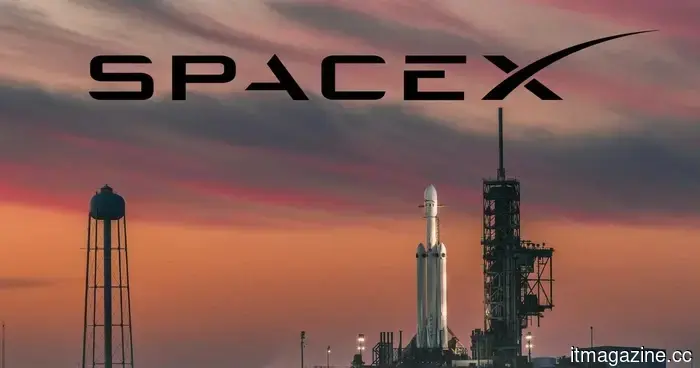
SpaceX subtly hints at the potential risks associated with its ambitious AI data centers in space.
SpaceX is gearing up for the largest IPO in history, but its own filing contains numerous disclaimers expressing uncertainty about its plans.
Elon Musk has been promoting SpaceX's ambitions for space-based AI as though they are assured successes. At the World Economic Forum in January, he referred to setting up AI data centers in space as “a no-brainer,” and in February, following the announcement of a merger between SpaceX and his AI company xAI, he stated that constructing AI infrastructure in space is essential for scaling capabilities.
Moreover, he inaugurated a new TeraFab chip manufacturing facility designed to produce chipsets capable of withstanding high-ion energy and radiation, enabling equipment to function in space. However, SpaceX’s own IPO filing presents a markedly different narrative.
Is the vision for SpaceX’s space AI more of a fantasy than a reality?
A report by Reuters highlights that SpaceX’s S-1 filing, which is mandatory for companies planning to go public, discreetly cautions investors that its ambitions for orbital AI data centers and human colonies on the moon and Mars “involve significant technical complexity and unproven technologies, and may not reach commercial viability.”
The filing further indicates that any space-based AI system would function “in the harsh and unpredictable environment of space,” putting them at risk of “malfunction or failure.”
This isn't the assertive message one would anticipate from a company aiming for a $1.75 trillion valuation. Given that Tesla has yet to deliver the Roadster announced a decade ago, it's reasonable to approach any promises made by Elon Musk with a healthy dose of skepticism.
What about Starship?
The second cornerstone of SpaceX's growth strategy hinges on Starship, its next-generation reusable rocket. The filing concedes that any “failure or delay in Starship's development” would directly affect SpaceX’s capacity to realize its ambitious objectives.
Starship has already encountered multiple delays and testing setbacks, thus this is a significant qualifier. It’s important to note that risk disclosures are a legal requirement in IPO filings, necessitating companies to outline all possible issues that could arise.
However, the caution found in the fine print regarding the next-generation technologies SpaceX is investigating contrasts sharply with Elon Musk's public excitement surrounding the upcoming IPO.
---
Astronauts aboard the ISS are poised to receive a laptop upgrade from HP
The International Space Station is set to undergo a substantial upgrade of its HP laptops.
Few things are more aggravating than a slow, lagging laptop, and it's hard to imagine facing such frustrations while living and working on a space station. Recognizing that astronauts are not exempt from the issues associated with aging laptops, NASA is organizing a significant enhancement.
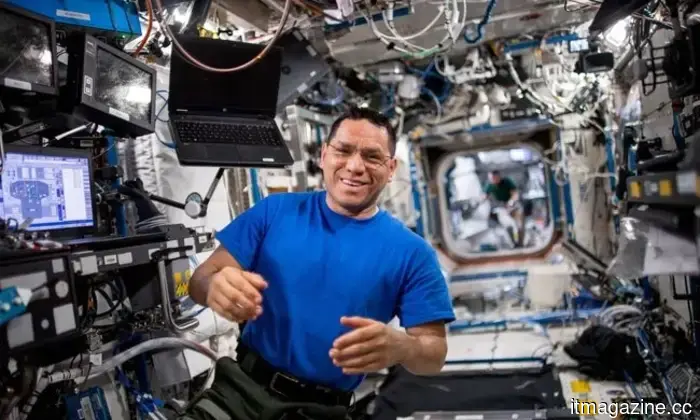
The Expedition 74 crew recently discussed a comprehensive computer upgrade for the station planned for the upcoming weekend, which will begin with replacing network servers and subsequently activating “new, more powerful laptop computers” on the International Space Station.
---
Meta’s new surveillance initiatives are so disturbing that I am at a loss for words
Meta intends to monitor every click, keystroke, and mouse movement of its employees, with their job security potentially hanging in the balance.
After years of covering the tech industry, I have observed companies engaging in questionable practices in the name of innovation. However, Meta's latest measures might top them all.
As reported by Reuters, Meta is implementing monitoring software on its employees' work machines. This tool, called Model Capability Initiative (MCI), will track mouse movements, clicks, and keystrokes, and will occasionally capture screenshots of employees' displays.
---
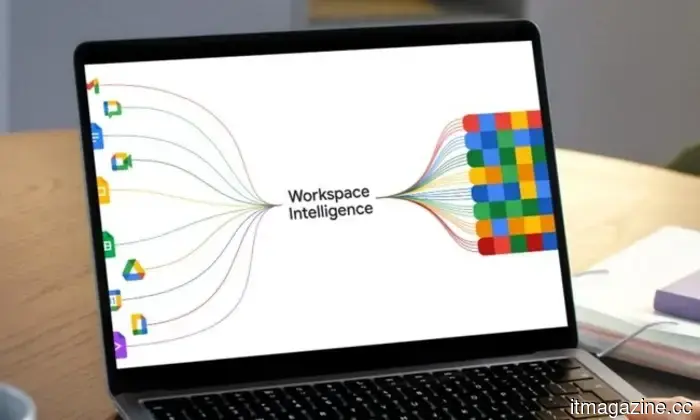
Workspace Intelligence transforms Gemini into a comprehensive AI assistant for your work needs
Recently, Google unveiled a new feature named Personal Intelligence, which allows Gemini to access content stored in your Gmail inbox and Photos library. The next time you inquire about travel plans, projects, or any other relevant topic, the AI will effortlessly reference your saved information to provide helpful answers, without requiring any additional context. It intuitively understands your needs.



Other articles
 The BMW i7 facelift introduces Gen6 cells from Rimac, offers a range exceeding 350 miles, and replaces Level 3 with a more affordable Symbiotic Drive.
The 2027 BMW i7 is equipped with Rimac-designed Gen6 cylindrical cells, has a capacity of 112.5 kWh, supports 250 kW charging, and offers an EPA range exceeding 350 miles. Production will commence in July at Dingolfing.
The BMW i7 facelift introduces Gen6 cells from Rimac, offers a range exceeding 350 miles, and replaces Level 3 with a more affordable Symbiotic Drive.
The 2027 BMW i7 is equipped with Rimac-designed Gen6 cylindrical cells, has a capacity of 112.5 kWh, supports 250 kW charging, and offers an EPA range exceeding 350 miles. Production will commence in July at Dingolfing.
 The Beats x Jennie headphones are so stylish that even those who dislike K-Pop will crave them.
Beats and Jennie have collaborated on a special edition of the Solo 4, featuring a striking all-black design with unique custom elements.
The Beats x Jennie headphones are so stylish that even those who dislike K-Pop will crave them.
Beats and Jennie have collaborated on a special edition of the Solo 4, featuring a striking all-black design with unique custom elements.
 The facelifted BMW i7 features Gen6 cells sourced from Rimac, offers a range exceeding 350 miles, and replaces Level 3 with a more affordable Symbiotic Drive.
The 2027 BMW i7 is equipped with Rimac-designed Gen6 cylindrical cells, has a capacity of 112.5 kWh, supports 250 kW charging, and offers an EPA range of over 350 miles. Production will commence in July at the Dingolfing facility.
The facelifted BMW i7 features Gen6 cells sourced from Rimac, offers a range exceeding 350 miles, and replaces Level 3 with a more affordable Symbiotic Drive.
The 2027 BMW i7 is equipped with Rimac-designed Gen6 cylindrical cells, has a capacity of 112.5 kWh, supports 250 kW charging, and offers an EPA range of over 350 miles. Production will commence in July at the Dingolfing facility.
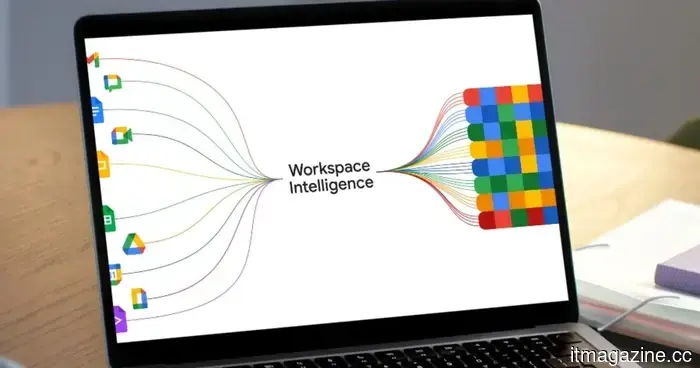 Workspace Intelligence transforms Gemini into a comprehensive AI agent capable of handling all aspects of your work.
A couple of weeks ago, Google unveiled a new feature named Personal Intelligence. Essentially, it allows Gemini to access the content saved in your Gmail inbox and Photos library. The next time you query the AI about travel plans, projects, or other pertinent matters, it will effortlessly refer to your saved information to provide useful responses, […]
Workspace Intelligence transforms Gemini into a comprehensive AI agent capable of handling all aspects of your work.
A couple of weeks ago, Google unveiled a new feature named Personal Intelligence. Essentially, it allows Gemini to access the content saved in your Gmail inbox and Photos library. The next time you query the AI about travel plans, projects, or other pertinent matters, it will effortlessly refer to your saved information to provide useful responses, […]
 Meta's most recent surveillance proposals are so dystopian that I find myself at a loss for words.
Meta is monitoring each click and keystroke of its employees to develop AI, and I have never encountered a more intrusive decision by a company.
Mozilla has addressed 271 vulnerabilities in Firefox that were identified by Anthropic's Claude Mythos during a single evaluation process.
Firefox 150 includes 271 bug fixes identified by Claude Mythos Preview. Mozilla states that the issues are limited. The UK AI Security Institute indicates that the model has the capability to conduct autonomous attacks as well.
Meta's most recent surveillance proposals are so dystopian that I find myself at a loss for words.
Meta is monitoring each click and keystroke of its employees to develop AI, and I have never encountered a more intrusive decision by a company.
Mozilla has addressed 271 vulnerabilities in Firefox that were identified by Anthropic's Claude Mythos during a single evaluation process.
Firefox 150 includes 271 bug fixes identified by Claude Mythos Preview. Mozilla states that the issues are limited. The UK AI Security Institute indicates that the model has the capability to conduct autonomous attacks as well.
SpaceX subtly hints at the potential risks associated with its ambitious AI data centers in space.
SpaceX's IPO filing subtly cautions that its space AI data centers and settlements on Mars depend on untested technology and may never achieve commercial viability, which directly counteracts Elon Musk's public statements of optimism.