
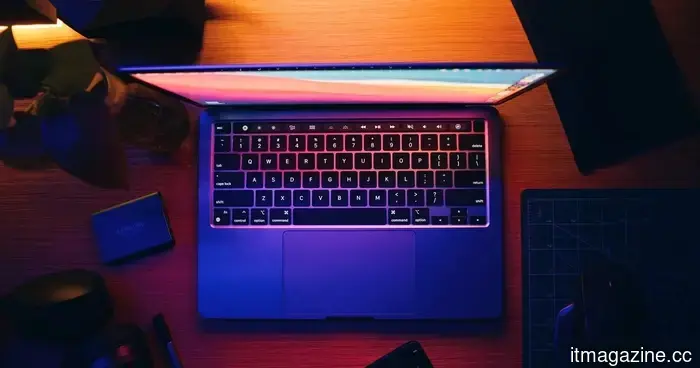
The upcoming series of Macs from Apple may have a longer wait, and you can attribute that to AI.
Digital Trends may receive a commission if you purchase through links on our website. Why should you trust us?
Supply chain issues are impacting Apple's forthcoming lineup.
Recently announcing the MacBook Neo and the M5 MacBook Air, Apple’s next-gen Macs were set to benefit from the company’s recent successes. However, there’s a new obstacle, and surprisingly, it’s not related to design, chips, or software—it’s memory. AI is significantly contributing to this situation.
Delays may affect Apple’s upcoming Macs
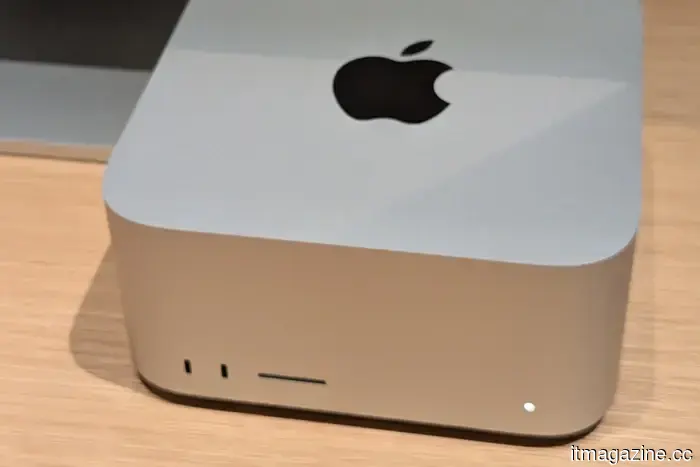
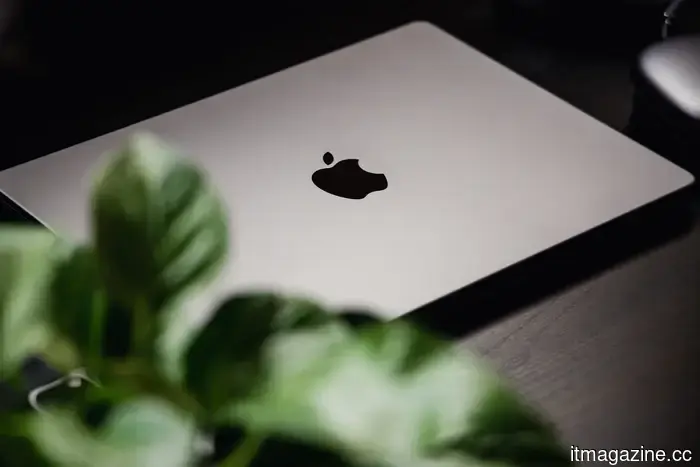
Mark Gurman from Bloomberg has reported that shortages of memory across the industry could delay the launch of upcoming Macs, including the next-generation Mac Studio and a redesigned touch-screen MacBook Pro. The Mac Studio refresh, initially anticipated for mid-2026, could now be postponed until as late as October.
This is not just a hypothetical situation. Apple is currently experiencing delays with its existing memory-intensive devices, making it challenging to launch even more demanding next-gen hardware. Internally, there are worries that introducing new Macs without a reliable supply could result in limited availability right from the start, which is something Apple generally strives to prevent.
The reasoning is clear: current memory-intensive models are already facing shipment delays, and new devices with even greater demands are getting caught in the same bottleneck. This is where AI plays a significant role. The industry-wide surge in AI workloads—such as those for data centers, GPUs, and high-performance computing—has resulted in increased demand for advanced memory, putting pressure on supply across the board, including for consumer products like Macs.
This issue extends beyond Apple
Looking at the bigger picture, this isn’t merely about Apple’s shortcomings; it’s a supply chain under stress. AI servers and enterprise hardware are consuming high-bandwidth memory, diminishing availability for other products. For Apple, the timing is particularly inconvenient as the Mac business has been experiencing a resurgence, and the last thing the company wants is to postpone significant upgrades due to component shortages. However, launching with limited supply is arguably even worse.
The overarching reality is apparent: AI is not only transforming software but also reshaping hardware priorities.




Other articles
 I’ve started using “Ask Maps,” and it has completely transformed my experience with Google Maps.
I've begun using this AI feature on Google Maps, and I truly can't return to the traditional method now.
I’ve started using “Ask Maps,” and it has completely transformed my experience with Google Maps.
I've begun using this AI feature on Google Maps, and I truly can't return to the traditional method now.
 The App Store is alive with new applications in 2026, and it appears that AI is playing a significant role in this development.
The number of app launches is rapidly increasing worldwide as AI tools simplify the process for creators to develop and release mobile applications.
The App Store is alive with new applications in 2026, and it appears that AI is playing a significant role in this development.
The number of app launches is rapidly increasing worldwide as AI tools simplify the process for creators to develop and release mobile applications.
 A Google Pixel laptop could be in the works, but is there really a demand for it?
A new Google Pixel laptop may be under development, but past experiences, increasing hardware expenses, and the presence of a $599 MacBook Neo indicate it could fail to launch successfully.
A Google Pixel laptop could be in the works, but is there really a demand for it?
A new Google Pixel laptop may be under development, but past experiences, increasing hardware expenses, and the presence of a $599 MacBook Neo indicate it could fail to launch successfully.
 The upcoming release of Apple's next generation of Macs may take longer than expected, and AI is to blame for this delay.
Apple's forthcoming Mac Studio and MacBook Pro may experience delays because of worldwide memory shortages caused by the increasing demand for AI hardware.
The upcoming release of Apple's next generation of Macs may take longer than expected, and AI is to blame for this delay.
Apple's forthcoming Mac Studio and MacBook Pro may experience delays because of worldwide memory shortages caused by the increasing demand for AI hardware.
 I worked with a MacBook Air for three years, but now I am loyal to the Galaxy Book6 Pro.
The Galaxy Book6 Pro is so impressive that returning to my MacBook Air M2 feels like I'm settling — I have my reasons for this.
I worked with a MacBook Air for three years, but now I am loyal to the Galaxy Book6 Pro.
The Galaxy Book6 Pro is so impressive that returning to my MacBook Air M2 feels like I'm settling — I have my reasons for this.
 Robots recently completed the Beijing half-marathon at a speed faster than the current world record holder.
A robot created by Honor recently completed a half-marathon in Beijing in 50 minutes and 26 seconds, surpassing the human world record of 57 minutes.
Robots recently completed the Beijing half-marathon at a speed faster than the current world record holder.
A robot created by Honor recently completed a half-marathon in Beijing in 50 minutes and 26 seconds, surpassing the human world record of 57 minutes.
The upcoming series of Macs from Apple may have a longer wait, and you can attribute that to AI.
Apple's soon-to-be-released Mac Studio and MacBook Pro may face delays because of worldwide memory shortages caused by the increasing demand for AI hardware.