
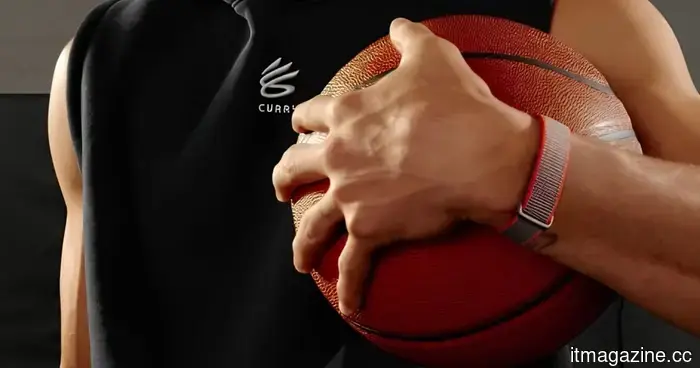
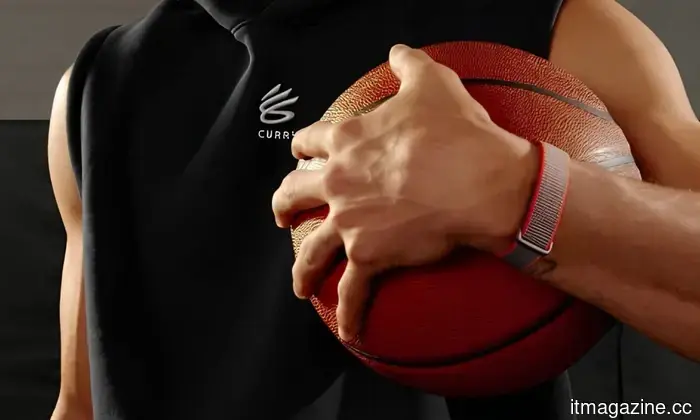
Google's upcoming wearable may be the display-free Fitbit Air, aiming to compete with Whoop's dominance.
The Fitbit Air may be Google's most significant wearable since the Pixel Watch.
Google has been hinting at a screen-less fitness band since late March, and we now know its name. As reported by 9to5Google, the upcoming device will be known as the "Google Fitbit Air." NBA player Stephen Curry has already been seen sporting it since the start of 2026, providing the public with its first glimpse of Google's response to Whoop.
What is the Fitbit Air and how does it plan to compete with Whoop?
The Fitbit Air targets Whoop directly, the well-known screen-less fitness tracker popular among athletes for its in-depth health metrics, including recovery, strain, and sleep monitoring. The Fitbit Air seems to adopt a similar approach. The “Air” designation suggests a slimmer, lightweight design intended for all-day use without the heft of a conventional smartwatch.
A launch at Google I/O seems likely, considering how openly Curry has been promoting the device. Some basic features are expected to be available for free, while advanced functionalities, such as the AI-driven Ask Coach feature, will be available via a paid subscription.
Additionally, the Fitbit Air will be the first significant non-Pixel wearable to debut under Google's control following the Fitbit acquisition, which places increased expectations on the device.
What is Google Health, and how does it enhance the Fitbit experience?
Google
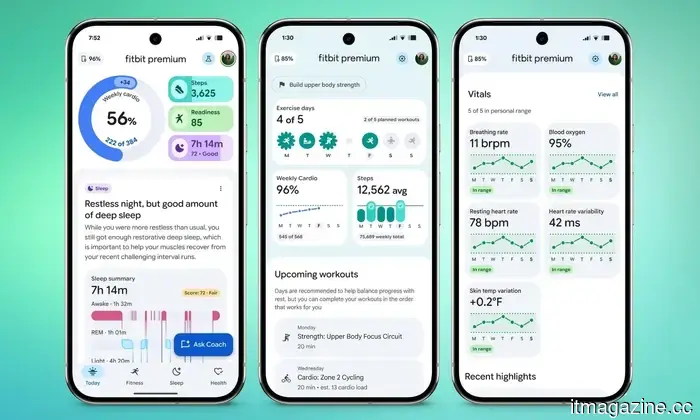
The hardware is just one aspect. Google intends to rebrand Fitbit Premium, its existing subscription service, as Google Health. Furthermore, Google will incorporate Gemini directly into the Fitbit app to provide tailored health insights. These AI functionalities are already being tested through the public preview of the Fitbit Health Coach.
Following the launch of the Fitbit Air, the Health feature will also be rebranded as the Google Health Coach. The teaser shared by Curry ended with a Google “G” that lacked any Fitbit branding, which is now much clearer. Google seems to believe that its own name holds more influence in the health tech sector than Fitbit does at this time.
Manisha covers technology relevant to daily life, ranging from smartphones and apps to gaming and streaming.
This AI technology can interpret silent words.
Researchers at Pohang University of Science and Technology (POSTECH) have created an innovative wearable device that can transform unvoiced speech into audible sound by detecting subtle movements of neck muscles. The study, led by Professor Sung-Min Park and Dr. Sunguk Hong and published in Cyborg and Bionic Systems, represents a major advancement in human-machine communication.
From Muscle Movements to Spoken Words
Read more
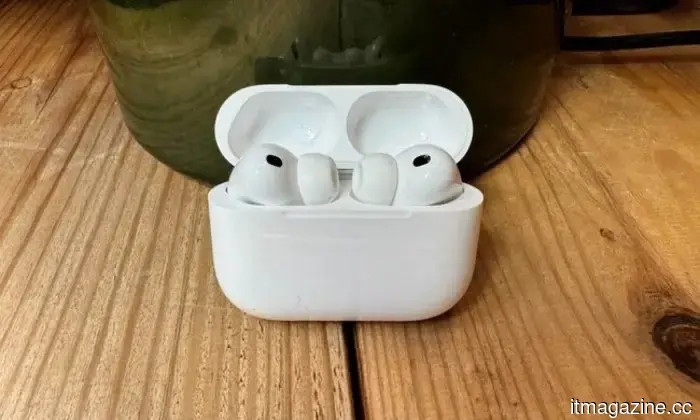
AirPods Pro 3 might allow you to communicate with Siri without speaking aloud.
The future of human-device communication could be non-verbal, and Apple is making advances to support this. There have been long-standing rumors suggesting that Apple is working on a version of the AirPods Pro featuring infrared (IR) cameras (as per MacRumors). The exact purpose of these cameras has remained unclear until now.
Why did Apple invest $2 billion in a company earlier this year?
Google is developing smart glasses in collaboration with Gucci, set to launch next year.
Google's ventures in smart glasses might be entering the luxury market. Kering CEO Luca de Meo informed Reuters that the owner of Gucci plans to debut AI-powered smart glasses under the Gucci brand in partnership with Google in 2027. If accurate, Gucci would become the first prominent luxury brand to directly engage in the emerging trend of AI eyewear, with reports indicating that the Gucci smart glasses could be released as early as next year.
Read more.




Other articles
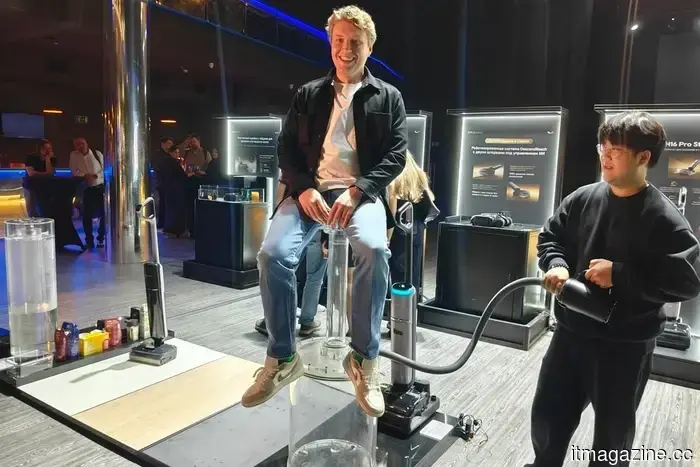 Robots for pool cleaning, window washing, lawn mowing, and house cleaning
We are already accustomed to robots that vacuum and wash the floors of the house, but at the presentation of the company Dreame, robots that wash windows and even pools were showcased!
Robots for pool cleaning, window washing, lawn mowing, and house cleaning
We are already accustomed to robots that vacuum and wash the floors of the house, but at the presentation of the company Dreame, robots that wash windows and even pools were showcased!
 One of the most contentious US agencies is said to be conducting taste tests of Anthropic's highly advanced Mythos AI.
The NSA's reported utilization of Anthropic's Mythos reveals an increasing rift within Washington, where the Pentagon's opposition to the company is clashing with the need for robust AI tools designed for significant cybersecurity efforts.
One of the most contentious US agencies is said to be conducting taste tests of Anthropic's highly advanced Mythos AI.
The NSA's reported utilization of Anthropic's Mythos reveals an increasing rift within Washington, where the Pentagon's opposition to the company is clashing with the need for robust AI tools designed for significant cybersecurity efforts.
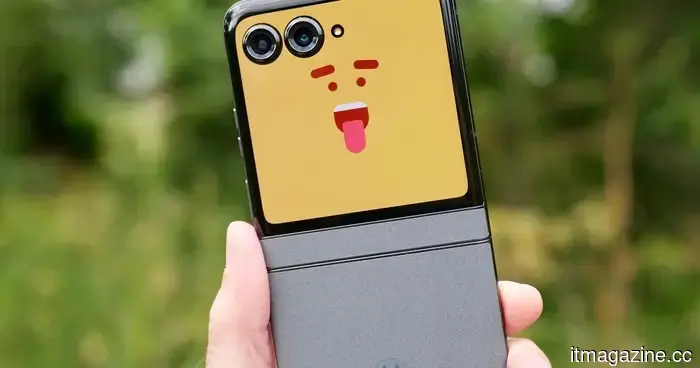 Motorola has just released the Android 17 beta for additional Razr and Edge devices.
Motorola is expanding access to the Android 17 beta for additional premium smartphones, including two Razr models and the Edge 50 Ultra, across multiple regions.
Motorola has just released the Android 17 beta for additional Razr and Edge devices.
Motorola is expanding access to the Android 17 beta for additional premium smartphones, including two Razr models and the Edge 50 Ultra, across multiple regions.
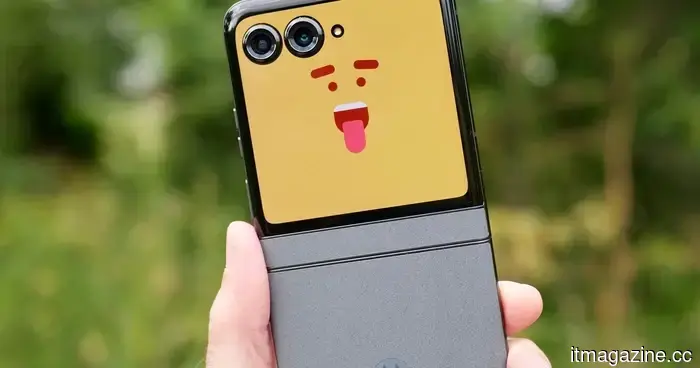 Motorola has now launched the Android 17 beta for additional Razr and Edge smartphones.
Motorola is expanding access to the Android 17 beta for additional premium devices, including two Razr models and the Edge 50 Ultra in multiple regions.
Motorola has now launched the Android 17 beta for additional Razr and Edge smartphones.
Motorola is expanding access to the Android 17 beta for additional premium devices, including two Razr models and the Edge 50 Ultra in multiple regions.
 One of the most contentious agencies in the US is reportedly sampling the highly potent Mythos AI developed by Anthropic.
The reported use of Anthropic's Mythos by the NSA highlights a widening divide within Washington, as the Pentagon's opposition to the company clashes with the increasing need for advanced AI tools designed for critical cybersecurity tasks.
One of the most contentious agencies in the US is reportedly sampling the highly potent Mythos AI developed by Anthropic.
The reported use of Anthropic's Mythos by the NSA highlights a widening divide within Washington, as the Pentagon's opposition to the company clashes with the increasing need for advanced AI tools designed for critical cybersecurity tasks.
 The integration of AI and human judgment in contemporary financial market analysis.
Intelligent Investing examines the ways in which artificial intelligence improves financial predictions, while emphasizing the importance of human analysis in understanding intricate market dynamics.
The integration of AI and human judgment in contemporary financial market analysis.
Intelligent Investing examines the ways in which artificial intelligence improves financial predictions, while emphasizing the importance of human analysis in understanding intricate market dynamics.
Google's upcoming wearable may be the display-free Fitbit Air, aiming to compete with Whoop's dominance.
Google's forthcoming screen-less band will be named the Fitbit Air. The company intends to rename Fitbit Premium to Google Health, consolidating wellness features under the Google brand.