

As if the situation wasn't already dire, AI is set to exacerbate the global e-waste crisis.
New report emphasizes an escalating environmental issue
AI is reshaping life globally, but it is also quietly exacerbating one of our most pressing environmental challenges. This time, the focus isn’t on energy use but on the hardware involved. The advancement of each smarter AI model comes with a tangible physical cost.
AI is poised to intensify the e-waste dilemma
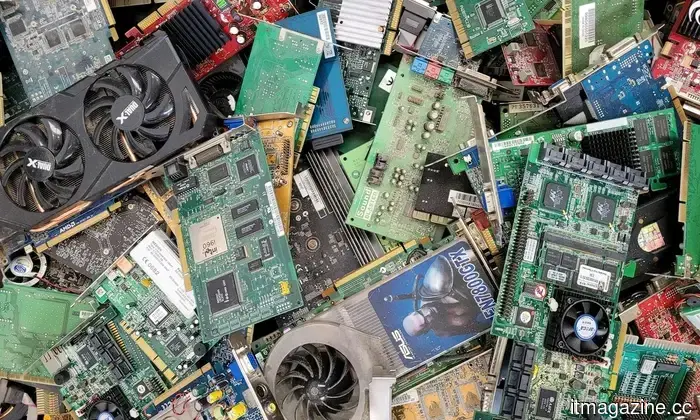
A recent study published in Nature Computational Science (as reported by Rest of World) indicates that the swift growth of AI could contribute an additional 1.2 to 5 million metric tons of e-waste by 2030. The rationale is straightforward: AI depends on high-performance hardware such as GPUs and specialized servers that have short lifespans. Typically, this equipment is replaced every 2 to 5 years, leading to rapid disposal of older hardware as newer, faster systems emerge.
This issue is unfolding on a large scale. As companies compete to develop larger data centers and more powerful models, the need for hardware continues to escalate, resulting in an accumulation of outdated machines.
This is a global concern, not just a technological one
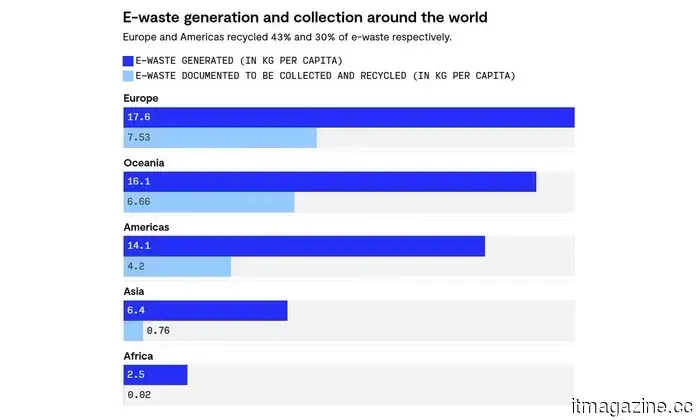
E-waste is currently among the fastest-growing waste streams worldwide, generating tens of millions of tons each year. The most concerning aspect? A significant portion is not properly recycled. Inadequate disposal can release harmful substances like lead and mercury into the environment, severely threatening ecosystems and human health. Furthermore, the unsettling reality is that much of this waste ends up in lower-income countries, where recycling often takes place under hazardous conditions. Thus, while AI's advantages are universal, its environmental repercussions are not equitably distributed.
Ultimately, although AI may seem like a digital advancement, it is creating a substantial physical impact. If the current trajectory continues, this impact will only expand.
Varun is a seasoned technology journalist and editor with over eight years of experience in consumer tech media.
Robots just completed the Beijing half-marathon faster than the world record holder
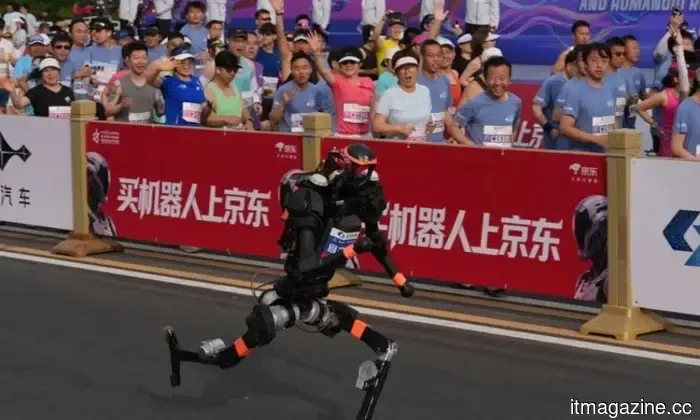
A humanoid robot has just finished a half-marathon quicker than the world record holder. At first glance, this might not appear noteworthy, but considering last year the fastest robot at Beijing's humanoid robot half-marathon finished in two hours and 40 minutes, this accomplishment is significant. According to the Associated Press, the winning robot in this year’s Beijing half-marathon crossed the finish line in 50 minutes and 26 seconds, easily surpassing the human world record of 57 minutes recently established by Jacob Kiplimo.
Smart glasses discover an unexpected niche — Korean drama and theater
Annually, millions enjoy Korean content without knowing the language. They stream shows with subtitles, read translated lyrics, and find ways around the language barrier. However, live theater presents a unique challenge — it cannot be paused or rewound. A Korean startup has come up with a solution, with Yuroy Wang being one of the first to experience it. The 22-year-old Taipei retail worker, a K-pop enthusiast fond of Korean culture yet not fluent in the language, attended "The Second Chance Convenience Store," a touring play based on a popular Korean novel in Taiwan. He anticipated supertitles but was instead given a pair of chunky black-framed AI-powered glasses that translated the dialogue in real time directly onto the lenses. "As soon as I found out they were available, I couldn’t wait to try them," he expressed. Wang is part of a growing demographic realizing that smart glasses, a technology seeking mainstream acceptance for years, may have found their purpose in the surprising realm of live Korean theater.
How do the glasses work?
Amazon believes you appreciate AI, so it has introduced a dedicated storefront for AI-enabled gadgets
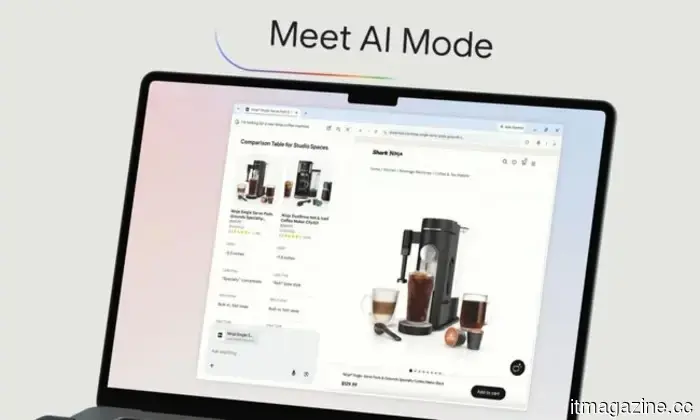
While browsing for a new laptop, you may find one boasting a superior processor, another with more RAM, and a third proudly labeled “AI-powered” in bold text, leaving you unsure of its significance. Amazon has picked up on your hesitation with the last one and has responded. Recently, the company launched an AI Store on Amazon.in — a specialized section that curates AI-enabled devices across various categories, from smartphones and laptops to refrigerators and washing machines. Consequently, instead of sifting through technical specifications to determine which “AI feature” actually offers practical benefits, this store clarifies everything for you.



Other articles
 AI has sidelined Windows laptops in the competition with the MacBook.
Windows laptops have finally become intriguing, but AI became the misguided selling feature at the most inopportune time.
AI has sidelined Windows laptops in the competition with the MacBook.
Windows laptops have finally become intriguing, but AI became the misguided selling feature at the most inopportune time.
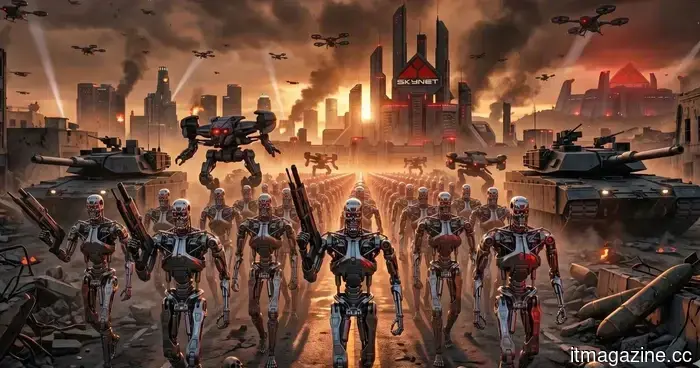 AI is now becoming part of the Skynet discussion within social media hype circles.
An increasing number of "AI doom influencers" is influencing public views as real-world events heighten worries regarding advanced AI technologies.
AI is now becoming part of the Skynet discussion within social media hype circles.
An increasing number of "AI doom influencers" is influencing public views as real-world events heighten worries regarding advanced AI technologies.
.jpg) The top films available on Amazon Prime Video (April 2026)
This month's top films on Amazon Prime Video feature Crime 101, Pretty Lethal, The Menu, Super 8, The Great Escape, Sinners, and several others.
The top films available on Amazon Prime Video (April 2026)
This month's top films on Amazon Prime Video feature Crime 101, Pretty Lethal, The Menu, Super 8, The Great Escape, Sinners, and several others.
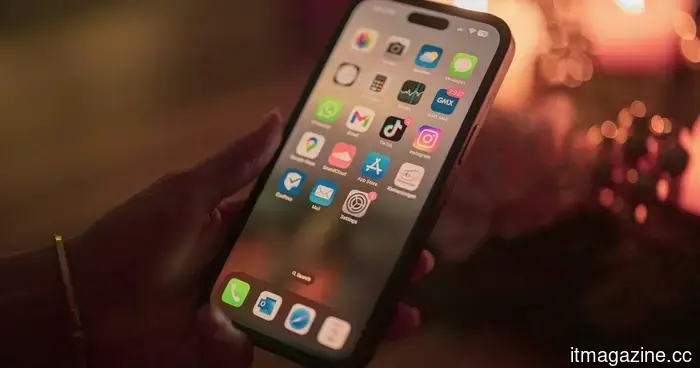 Apple is introducing a straightforward feature that iPhones have been lacking for years.
Apple is experimenting with undo and redo buttons for Home Screen customization in iOS 27 and iPadOS 27, with the goal of making adjustments to app and widget arrangements easier.
Apple is introducing a straightforward feature that iPhones have been lacking for years.
Apple is experimenting with undo and redo buttons for Home Screen customization in iOS 27 and iPadOS 27, with the goal of making adjustments to app and widget arrangements easier.
 The App Store is alive with new applications in 2026, and it appears that AI is playing a significant role in this development.
The number of app launches is rapidly increasing worldwide as AI tools simplify the process for creators to develop and release mobile applications.
The App Store is alive with new applications in 2026, and it appears that AI is playing a significant role in this development.
The number of app launches is rapidly increasing worldwide as AI tools simplify the process for creators to develop and release mobile applications.
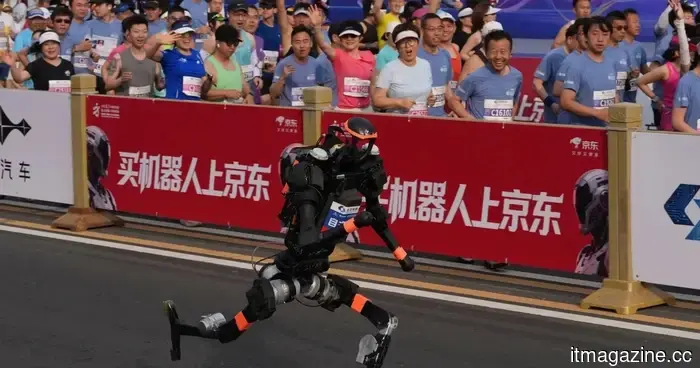 Robots recently completed the Beijing half-marathon quicker than the current world record holder.
A robot created by Honor recently completed a half-marathon in Beijing in 50 minutes and 26 seconds, surpassing the human world record of 57 minutes.
Robots recently completed the Beijing half-marathon quicker than the current world record holder.
A robot created by Honor recently completed a half-marathon in Beijing in 50 minutes and 26 seconds, surpassing the human world record of 57 minutes.
As if the situation wasn't already dire, AI is set to exacerbate the global e-waste crisis.
The expansion of AI may result in up to 5 million metric tons of electronic waste by 2030, as swift hardware enhancements and the growth of data centers elevate environmental consequences.