

Millions of Americans are consulting AI regarding health issues, and some are perilously bypassing actual doctors.
One in four Americans currently uses AI for health advice, a trend that raises significant concerns.
Google was once the primary source for individuals seeking information about their health issues. However, this is changing as an increasing number of users are now utilizing AI for health-related inquiries.
Recent research from the West Health-Gallup Center on Healthcare in America reveals that approximately 25% of U.S. adults have employed an AI tool or chatbot for health information or guidance. This data comes from a nationally representative survey of over 5,500 adults conducted between October and December 2025.
The positive aspect is that most individuals are not replacing their doctors with chatbots. More than half of those using AI for health claim they do so to complement their medical care, either conducting research before appointments or clarifying information provided by their doctors afterward.
So, why are people turning to AI for health-related questions?
The two primary reasons individuals are opting for AI for health inquiries are speed and curiosity. According to the survey, among users of AI for health advice, 71% sought quick answers, while another 71% desired additional information. Around 67% were simply eager to see what AI would suggest.
**Reasons among U.S. adult AI health users:**
- **Speed and self-directed research**:
- Quick answers: 71%
- Additional information: 71%
- Curiosity about AI responses: 67%
- Preferring to research before medical consultations: 59%
- Preferring to research after medical consultations: 56%
- **Cost barriers**:
- Avoiding payment for a doctor's visit: 27%
- Unable to afford a doctor's visit: 14%
- **Access barriers**:
- Lack of time for appointments: 21%
- Inaccessibility of doctors or providers: 16%
- Seeking help outside regular business hours: 42%
- **Quality and stigma barriers**:
- Feeling dismissed by a provider in the past: 21%
- Embarrassment about discussing health with a person: 18%
However, not all users are choosing AI by preference. Among recent users, 27% resorted to AI because they wished to avoid the cost of a doctor’s visit, and 14% indicated they were unable to afford one.
Is there trust in AI for health information?
Trust in AI health information is nearly evenly divided into three categories. About one-third of recent users express trust, another third are neutral, and the final third distrust it. While only 4% strongly trust AI, approximately 11% reported that AI provided them with advice they considered unsafe.
Though 4% might seem insignificant, when scaled, it represents millions of people who place full trust in AI for their health, which is concerning.
What actions should be taken?
It’s evident that a blanket prohibition on using AI for health advice is not feasible. The survey suggests that healthcare coverage and access to doctors need improvement so that individuals do not have to seek alternative solutions.
**Perplexity**
AI companies must also take significant steps by ensuring that all health-related responses come with disclaimers advising users to consult medical professionals. Platforms like Perplexity Health and Copilot Health should become standard options, encouraging individuals to rely on AI systems specifically designed to deliver accurate health guidance.




Other articles
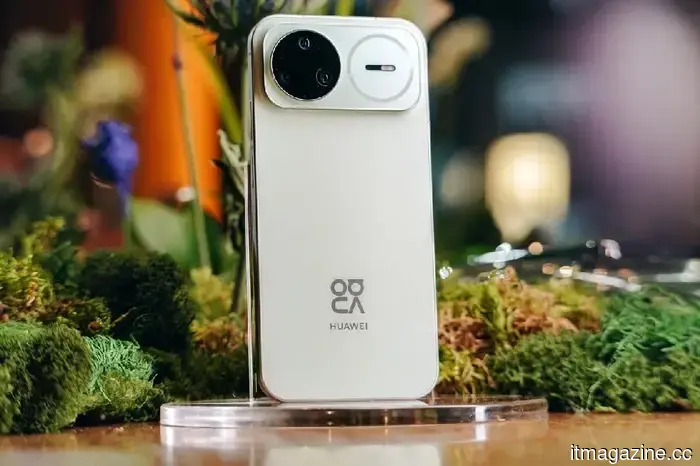 HUAWEI nova 15
MTS has announced the start of pre-orders for the new HUAWEI nova 15 Pro and nova 15 smartphones. According to the description, the lineup is intended for those who love taking portraits, are open to befriending artificial intelligence, and wish to charge their phone as infrequently as possible.
HUAWEI nova 15
MTS has announced the start of pre-orders for the new HUAWEI nova 15 Pro and nova 15 smartphones. According to the description, the lineup is intended for those who love taking portraits, are open to befriending artificial intelligence, and wish to charge their phone as infrequently as possible.
 Steam has been seen developing a game price tracker aimed at helping patient gamers save some money.
Valve seems to be integrating a 30-day price history tracker into Steam, allowing users to view recent price reductions without exiting the application.
Steam has been seen developing a game price tracker aimed at helping patient gamers save some money.
Valve seems to be integrating a 30-day price history tracker into Steam, allowing users to view recent price reductions without exiting the application.
 The fintech company that shifted its focus due to Kanye West has now reached a valuation of $1.4 billion.
Slash, the vertical banking startup established by two college dropouts, has secured $100 million in a Series C funding round, achieving a valuation of $1.4 billion. The round was led by Khosla Ventures and Ribbit Capital.
The fintech company that shifted its focus due to Kanye West has now reached a valuation of $1.4 billion.
Slash, the vertical banking startup established by two college dropouts, has secured $100 million in a Series C funding round, achieving a valuation of $1.4 billion. The round was led by Khosla Ventures and Ribbit Capital.
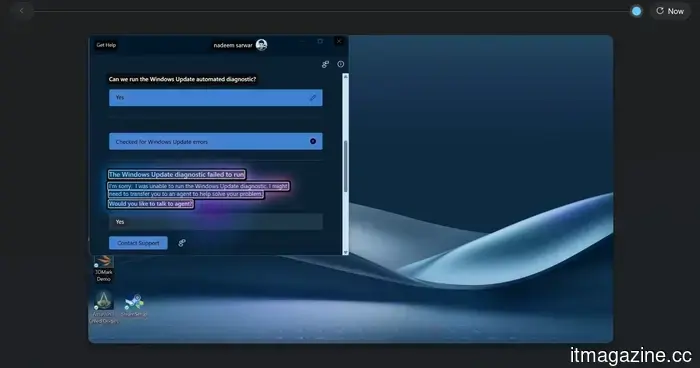 Windows Recall still maintains a backdoor to access your private PC history.
While Windows Recall's database may have improved protection, a new proof of concept indicates that the data path following sign-in still poses privacy risks for users of Windows 11.
Windows Recall still maintains a backdoor to access your private PC history.
While Windows Recall's database may have improved protection, a new proof of concept indicates that the data path following sign-in still poses privacy risks for users of Windows 11.
 Microsoft College Offer provides free software to make you overlook the fact that the MacBook Neo is a superior option.
Microsoft is utilizing free software, Game Pass, and student discounts on laptops to enhance the attractiveness of Windows 11 PCs for college students; however, the actual value still hinges on the hardware, eligibility criteria, and whether the additional features will be utilized.
Microsoft College Offer provides free software to make you overlook the fact that the MacBook Neo is a superior option.
Microsoft is utilizing free software, Game Pass, and student discounts on laptops to enhance the attractiveness of Windows 11 PCs for college students; however, the actual value still hinges on the hardware, eligibility criteria, and whether the additional features will be utilized.
 The fintech that changed its direction due to Kanye West has now reached a valuation of $1.4 billion.
Slash, the vertical banking startup established by two college dropouts, has secured $100 million in a Series C funding round, achieving a valuation of $1.4 billion. The round was led by Khosla Ventures and Ribbit Capital.
The fintech that changed its direction due to Kanye West has now reached a valuation of $1.4 billion.
Slash, the vertical banking startup established by two college dropouts, has secured $100 million in a Series C funding round, achieving a valuation of $1.4 billion. The round was led by Khosla Ventures and Ribbit Capital.
Millions of Americans are consulting AI regarding health issues, and some are perilously bypassing actual doctors.
It appears that many individuals prefer to inquire about their symptoms with an AI instead of paying for a doctor's appointment. A recent survey reveals some notable statistics supporting this trend.