
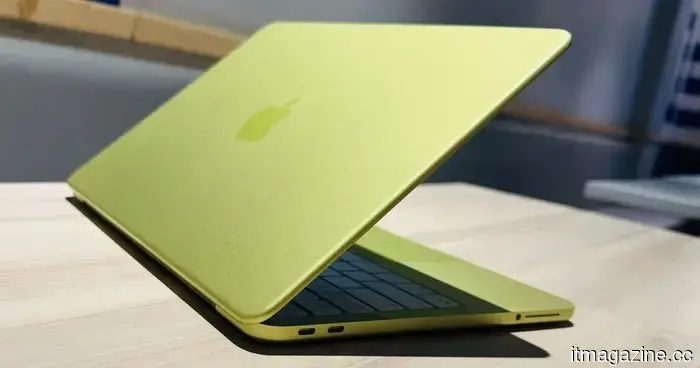
Microsoft leaks suggest what many expected: the Surface lineup lacks a response to the MacBook Neo.
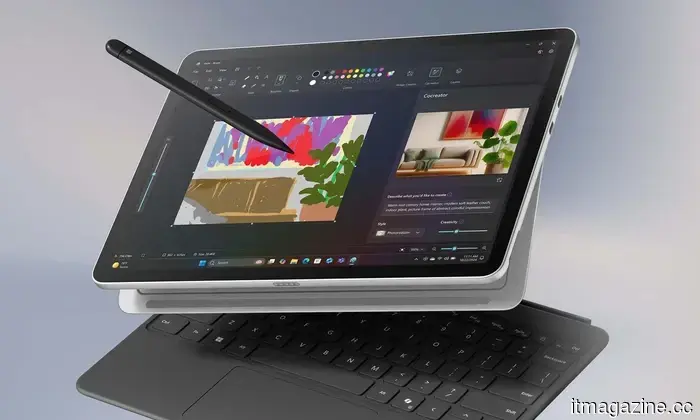
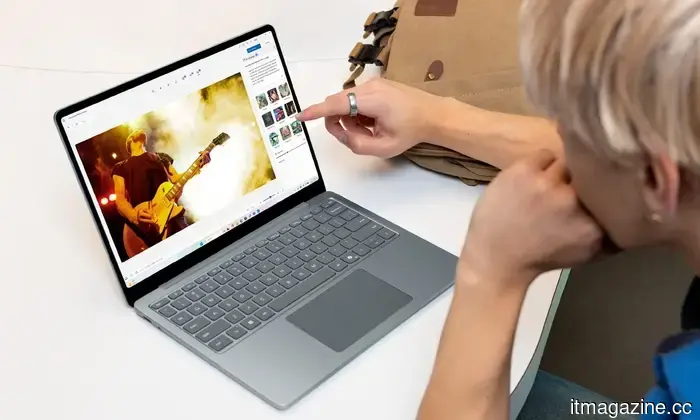
Microsoft is initiating a two-phase rollout of new models of the Surface Laptop and Surface Pro.
The Intel-powered versions may launch this spring, while the Snapdragon X2 versions could be available by summer, reportedly due to supply chain issues (as per Windows Central).
What changes can Surface customers expect?
The enhancements feature display upgrades, with Microsoft introducing OLED panels for the Surface Laptop for the first time (though this will be limited to premium configurations), alongside potential higher-resolution screens for certain models.
In addition to Intel and Qualcomm processors, the laptops may offer base configurations with 16GB of RAM and 256GB of storage, while the highest-spec models could include 64GB of RAM and 2TB of storage.
Furthermore, the report indicates improvements in haptics. However, this upcoming range does not truly address the MacBook Neo challenge that Apple posed to all manufacturers in March 2026.
The new Surface lineup likely falls into the premium and ultra-premium notebook segment; it does not cater to budget-conscious buyers in the same way the MacBook Neo does.
Why is the price difference significant?
Microsoft’s most affordable Surface PC, the 12-inch Surface Pro, has risen in price from $799 to $1,049 due to ongoing memory shortages. The 13-inch Surface Laptop is the next least expensive option, starting at $1,149.99.
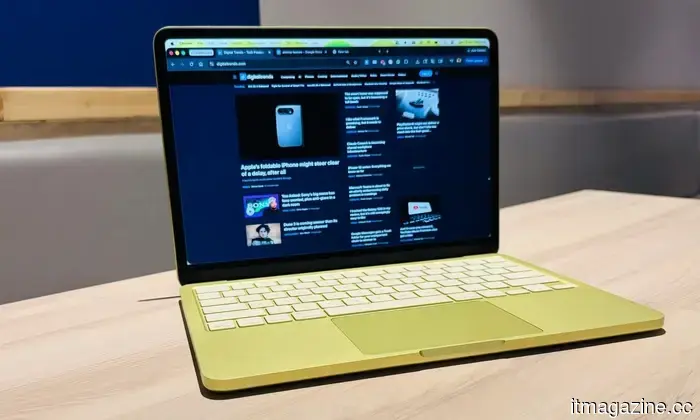
A typical consumer looking for a reliable everyday laptop is now faced with a clear choice: a $599 MacBook Neo with 256GB of storage ($499 with an education discount) or a Microsoft Surface laptop that begins at nearly double the price, offering double the memory but similar storage.
I understand that Microsoft is banking on the display enhancements and chip performance to market its premium Surface products, but for an everyday user seeking a dependable machine for school, work, or travel, justifying the price in comparison to the MacBook Neo may be difficult.
Apple is leading in the budget laptop market
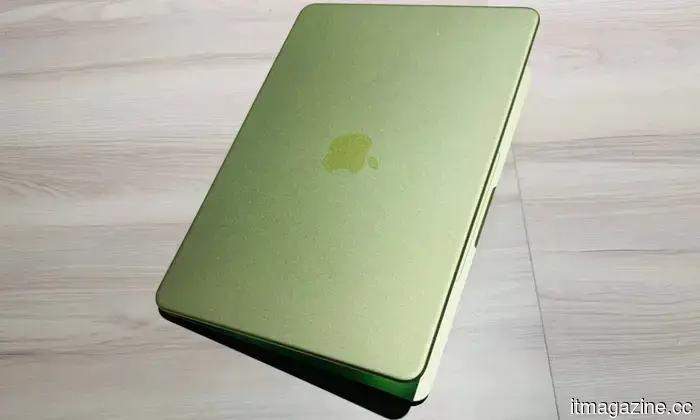
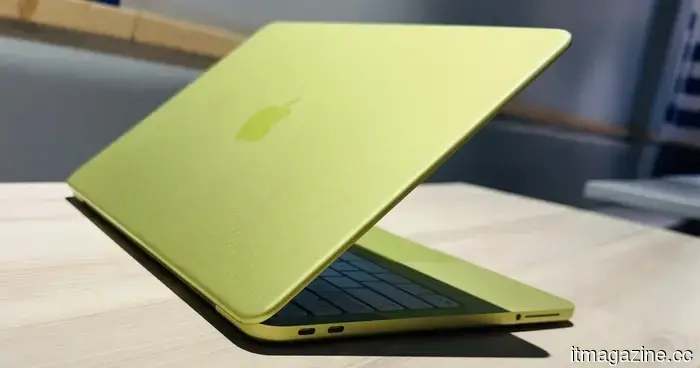
This is precisely where the MacBook Neo excels and may continue to do so for the foreseeable future. Even when compared to low-cost Windows laptops or Chromebooks, let alone Microsoft’s Surface models, the Neo stands out with its superior battery life, solid build quality, and beneficial AI features in a more compact form.
Consider the Acer Chromebook Plus 514 or the Asus Chromebook Plus CX34, both recognized options in the $400 to $600 range. However, they operate on Chrome OS, which restricts users from accessing full desktop applications.
Affordable Windows alternatives such as the Lenovo IdeaPad or HP's Intel Core i3 models with 8GB of RAM tend to be similarly priced, but they often falter in terms of battery life and build quality (they are noticeably heavier) compared to the MacBook Neo.
As Chromebook and Windows OEMs grapple with rising memory and component costs, Apple appears to have capitalized on its position as one of the largest laptop manufacturers to strategically enter the market and undercut the most popular choices.
The MacBook Neo could still prevail with a slight price increase
Even if Apple introduces a new MacBook Neo with 16GB of RAM and a more powerful chipset, and increases the price to $600 or $700, it would still represent one of the best value daily-use machines that is an easy choice for iPhone users, though possibly a tougher decision for Android users.
Currently, Microsoft’s lack of ability or willingness to match the MacBook Neo’s price point indicates a deeper strategic issue. Historically, Apple has taken initiative, with Microsoft responding later, and this scenario may evolve similarly.
Other articles
 Microsoft's leaks suggest the evident: The Surface lineup lacks a response to the MacBook Neo.
Leaked information regarding Microsoft's Surface lineup for 2026 indicates display enhancements and a phased chip release, but the company still lacks offerings for consumers interested in Apple's MacBook Neo.
Microsoft's leaks suggest the evident: The Surface lineup lacks a response to the MacBook Neo.
Leaked information regarding Microsoft's Surface lineup for 2026 indicates display enhancements and a phased chip release, but the company still lacks offerings for consumers interested in Apple's MacBook Neo.
 The latest Samsung SmartThings update introduces monitoring features for elderly care, incorporating ambient sensing and artificial intelligence.
Samsung's SmartThings update utilizes robot vacuums, home appliances, and wearable devices to keep an eye on elderly family members, identify falls and signs of cognitive decline, and notify caregivers from a distance.
The latest Samsung SmartThings update introduces monitoring features for elderly care, incorporating ambient sensing and artificial intelligence.
Samsung's SmartThings update utilizes robot vacuums, home appliances, and wearable devices to keep an eye on elderly family members, identify falls and signs of cognitive decline, and notify caregivers from a distance.
 Claude Opus 4.7 outperforms GPT-5.4 and Gemini 3.1 Pro in SWE-bench and agentic reasoning.
Anthropic's Claude Opus 4.7 achieves a score of 64.3% on SWE-bench Pro, introduces multi-agent coordination, and offers three times the vision resolution, all at the same price as the previous version.
Claude Opus 4.7 outperforms GPT-5.4 and Gemini 3.1 Pro in SWE-bench and agentic reasoning.
Anthropic's Claude Opus 4.7 achieves a score of 64.3% on SWE-bench Pro, introduces multi-agent coordination, and offers three times the vision resolution, all at the same price as the previous version.
 Solidroad secures $25 million in Series A funding to enhance customer support quality assurance through AI automation.
Solidroad, established by former Intercom employees, has secured $25 million in funding from Hedosophia to implement AI quality assurance across all customer support interactions for clients such as Ryanair and Crypto.com.
Solidroad secures $25 million in Series A funding to enhance customer support quality assurance through AI automation.
Solidroad, established by former Intercom employees, has secured $25 million in funding from Hedosophia to implement AI quality assurance across all customer support interactions for clients such as Ryanair and Crypto.com.
 Tesla is considering its Shanghai Gigafactory for the mass production of the Optimus humanoid robot.
The president of Tesla in China refers to the Shanghai Gigafactory as a "golden key" for the production of the Optimus robot, as the facility that produces half of Tesla's vehicles looks to venture into humanoid manufacturing.
Tesla is considering its Shanghai Gigafactory for the mass production of the Optimus humanoid robot.
The president of Tesla in China refers to the Shanghai Gigafactory as a "golden key" for the production of the Optimus robot, as the facility that produces half of Tesla's vehicles looks to venture into humanoid manufacturing.
 Claude Opus 4.7 outperforms GPT-5.4 and Gemini 3.1 Pro in SWE-bench and agentic reasoning.
Anthropic's Claude Opus 4.7 achieves a score of 64.3% on SWE-bench Pro, introduces multi-agent coordination and features three times the vision resolution, while maintaining the same pricing as the previous version.
Claude Opus 4.7 outperforms GPT-5.4 and Gemini 3.1 Pro in SWE-bench and agentic reasoning.
Anthropic's Claude Opus 4.7 achieves a score of 64.3% on SWE-bench Pro, introduces multi-agent coordination and features three times the vision resolution, while maintaining the same pricing as the previous version.
Microsoft leaks suggest what many expected: the Surface lineup lacks a response to the MacBook Neo.
Leaked details about Microsoft's Surface lineup for 2026 indicate enhancements in display technology and a phased introduction of chips; however, the company still lacks offerings for consumers considering Apple's MacBook Neo.