
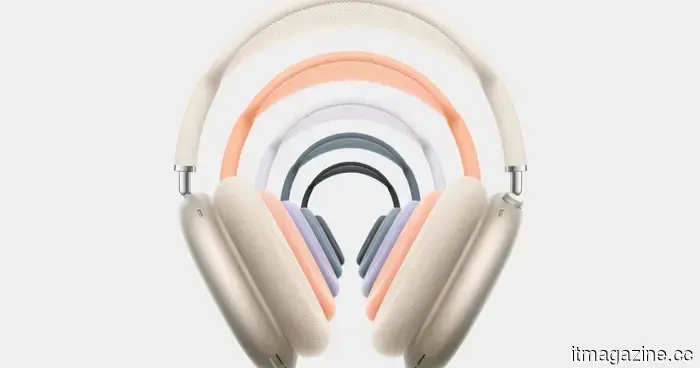
AirPods Max 2 have finally arrived, but Apple hasn’t addressed all the issues that users hoped would be resolved.
After five years, Apple has refreshed the AirPods Max with a new H2 chip, enhanced noise cancellation, and an expanded feature set that aligns them more closely with the rest of its audio products. On the surface, this seems like a significant improvement, but in practice, it feels more selective.
What has changed with this update
The most significant change is the transition from dual H1 chips to dual H2 chips, which are also used in the updated AirPods Pro. This upgrade supports a host of features that were previously absent in the Max.
Active noise cancellation is now said to be up to 1.5 times more effective, and the transparency mode has been optimized for a more natural sound. Adaptive Audio combines both modes based on your environment, while Conversation Awareness reduces playback volume when you begin to speak.
Additionally, Apple has introduced personalized volume, which adjusts to your listening preferences over time, and loud sound reduction to handle sudden bursts of external noise. Live translation is now available, enabling real-time conversations across languages through the headphones.
Sound enhancements are also part of this upgrade
In conjunction with these updates, Apple is rolling out a custom high dynamic range amplifier aimed at enhancing bass response, vocal clarity, and instrument separation, while also minimizing distortion at higher volume levels.
The original AirPods Max already provided a warm, balanced sound profile, so this upgrade seems to focus on refinement rather than a complete overhaul. The combination of improved processing and enhanced noise cancellation is likely where the most noticeable improvements will be found.
Lossless audio is finally here, but with limitations
Support for lossless audio has finally been added, with 24-bit, 48kHz playback now possible through a wired USB-C connection.
Over Bluetooth, audio remains limited to AAC, with no support for higher-bandwidth wireless codecs. This means that lossless audio still requires a wired connection, which feels limiting for a premium set of headphones in 2026.
Additional features and their practical use
Apple is also expanding functionality beyond just audio playback. The digital crown can now be used as a remote shutter for an iPhone camera, while voice isolation is intended to enhance call clarity and support more flexible recording scenarios.
Head gesture controls for Siri interaction have been included, allowing users to respond by nodding or shaking their heads. These features bring the AirPods Max closer to the capabilities of the AirPods Pro, although their practicality may vary based on context, especially given the larger over-ear design.
What hasn't changed still stands out
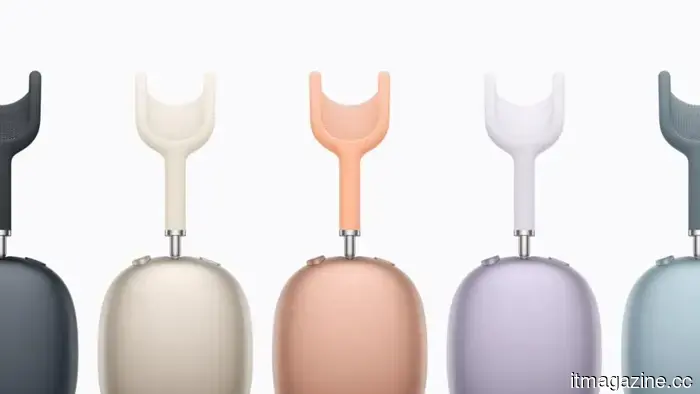
Despite the internal upgrades, the physical design remains largely unchanged. The AirPods Max 2 maintain the metal build, non-folding design, and the Smart Case, which still offers minimal protection and primarily puts the headphones into a low-power state.
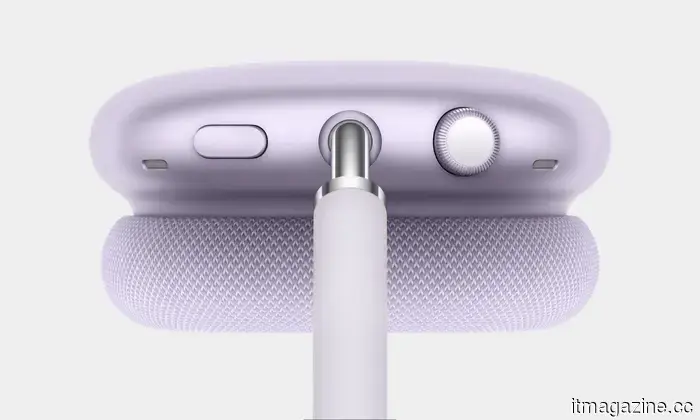
There is still no dedicated power button, meaning the case is necessary for managing battery consumption. Battery life remains around 20 hours, which is increasingly modest compared to competitors that offer nearly 30 hours or more.
The headphones are slightly heavier, weighing about 386 grams, do not fold for easier storage, and still lack an official water or dust resistance rating.
What this upgrade truly offers
The AirPods Max 2 represent a clear advancement in areas driven by processing and software. The H2 chip provides a more adaptive listening experience, while enhancements to noise cancellation and sound processing should lead to improved overall performance.
However, the design limitations, usability issues, and longstanding hardware concerns remain the same.
Is it enough to warrant the update?
That hinges on what you were hoping for. If improved sound quality, stronger noise cancellation, and deeper integration with Apple’s ecosystem were your priorities, this update meets those expectations.
If you were anticipating a more extensive redesign that addressed comfort, portability, and daily usability, the AirPods Max 2 may feel more like a familiar upgrade rather than a new experience.
Other articles
 X prepares to launch a dedicated messaging application as XChat becomes available on the App Store.
The XChat will allow for end-to-end encrypted messaging and will be accessible to iPhone users starting April 17, offering support for more than 45 languages.
X prepares to launch a dedicated messaging application as XChat becomes available on the App Store.
The XChat will allow for end-to-end encrypted messaging and will be accessible to iPhone users starting April 17, offering support for more than 45 languages.
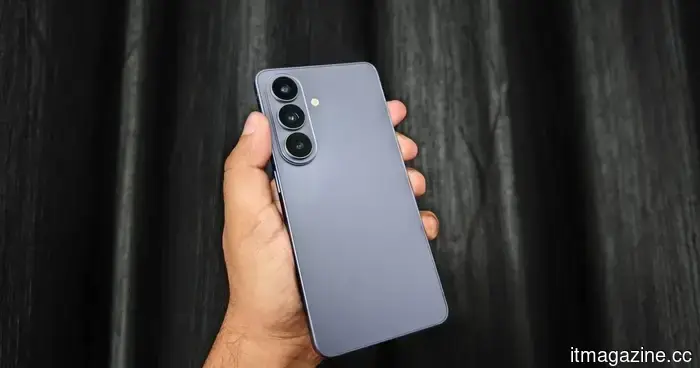 I criticized the Galaxy S26 in my review, yet it remains frustratingly easy to appreciate.
I still believe that the Galaxy S26 is too cautious for a flagship price — however, I can't overlook how enjoyable it is to use.
I criticized the Galaxy S26 in my review, yet it remains frustratingly easy to appreciate.
I still believe that the Galaxy S26 is too cautious for a flagship price — however, I can't overlook how enjoyable it is to use.
 The significance of data quality in large-scale data operations.
Discover the importance of data quality for contemporary data pipelines, the necessity for validation to go beyond just staging, and strategies for constructing dependable systems at scale.
The significance of data quality in large-scale data operations.
Discover the importance of data quality for contemporary data pipelines, the necessity for validation to go beyond just staging, and strategies for constructing dependable systems at scale.
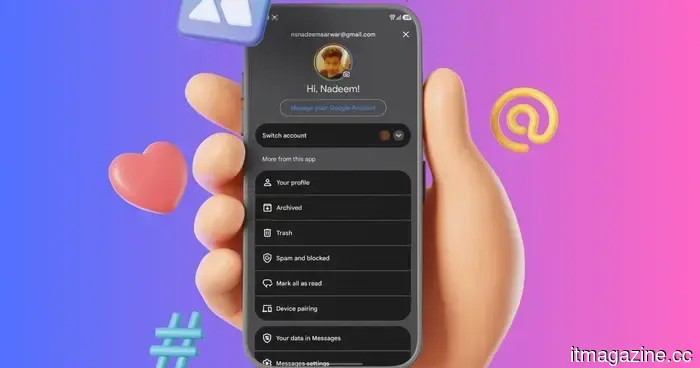 Google Messages introduces a Trash folder for your less important conversations to linger in.
Google Messages has introduced a Trash folder that allows deleted conversations to be recovered within a 30-day period before they are permanently deleted.
Google Messages introduces a Trash folder for your less important conversations to linger in.
Google Messages has introduced a Trash folder that allows deleted conversations to be recovered within a 30-day period before they are permanently deleted.
 Anthropic integrates Claude into Microsoft Word, with legal contract review being the primary application.
Anthropic's Claude for Word beta has been launched in Microsoft Word for Team and Enterprise users, with its initial application focused on reviewing legal contracts.
Anthropic integrates Claude into Microsoft Word, with legal contract review being the primary application.
Anthropic's Claude for Word beta has been launched in Microsoft Word for Team and Enterprise users, with its initial application focused on reviewing legal contracts.
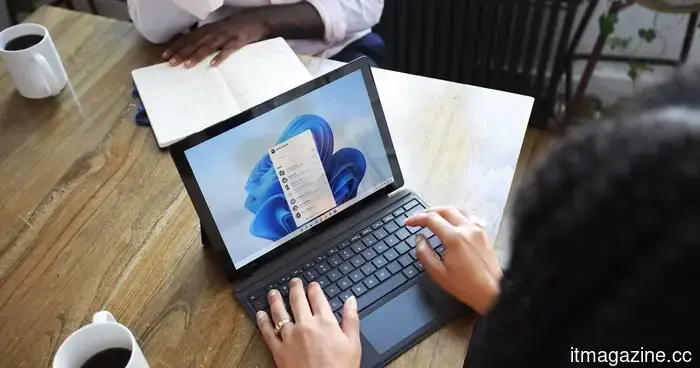 France bids “au revoir” to Windows and “bonjour” to Linux.
France intends to switch from Windows to Linux in order to lessen its dependence on US technology and enhance its digital sovereignty.
France bids “au revoir” to Windows and “bonjour” to Linux.
France intends to switch from Windows to Linux in order to lessen its dependence on US technology and enhance its digital sovereignty.
AirPods Max 2 have finally arrived, but Apple hasn’t addressed all the issues that users hoped would be resolved.
After five years, the AirPods Max 2 introduce enhanced sound processing, better ANC, and new functionalities such as Adaptive Audio and lossless support. However, several of the major issues have not been resolved.