
The iPhone 17 Pro Max captures breathtaking images from a Moon mission.
NASA has unveiled exceptional images taken with a smartphone during the Artemis II mission, showcasing the capabilities of modern cameras beyond Earth.
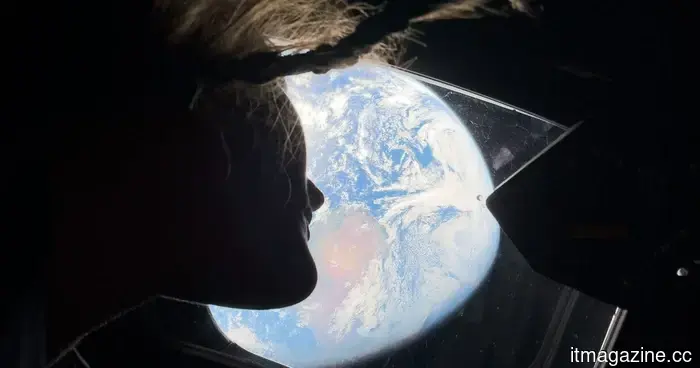
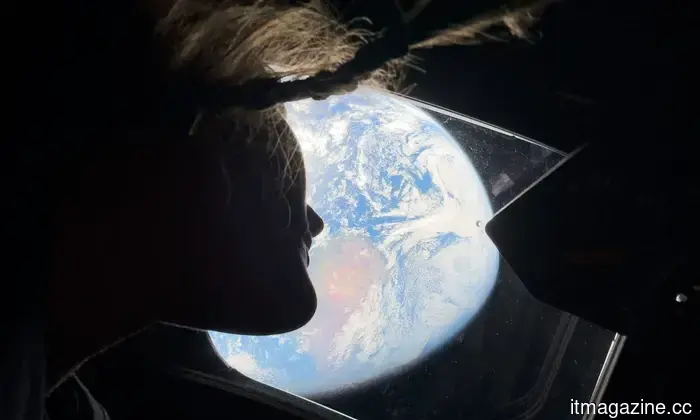
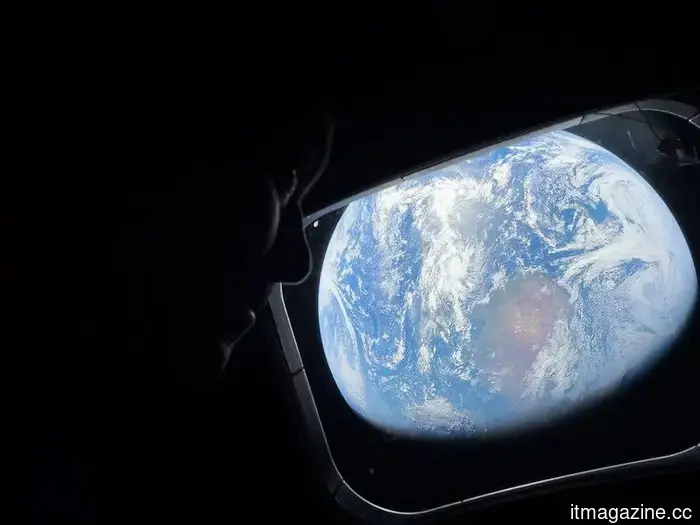
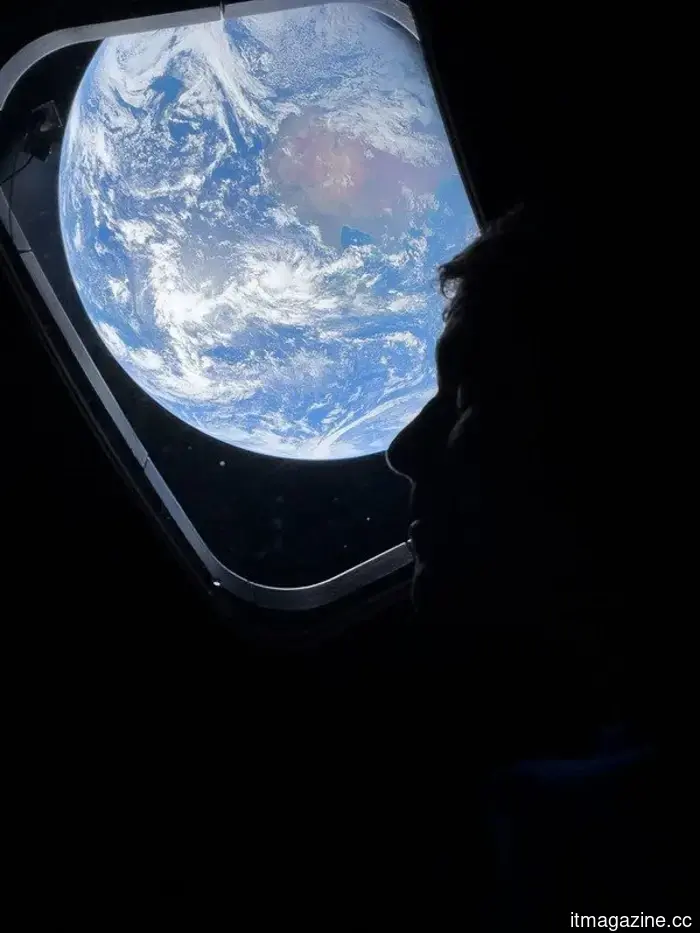
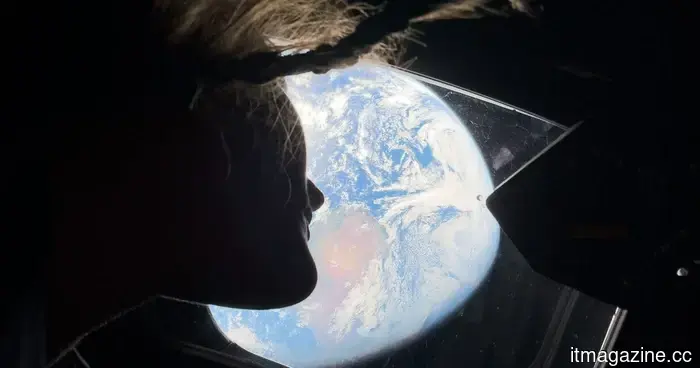
The newly released images were captured using an iPhone 17 Pro Max on the Orion spacecraft, providing a clear view of how everyday technology performs in orbit. The photos depict Earth as seen through a cabin window while the crew continues their journey. These images were taken on April 2, just two days after launch, using the front-facing camera.
This represents a notable evolution in smartphone photography. The iPhone 17 Pro Max wasn't merely a convenience; it had been approved for extended use in orbit prior to the mission. Each astronaut had one for personal usage, indicating an increasing acceptance of familiar devices in challenging environments.
iPhone approved for orbital use
The images come after a prior approval allowing the phone to operate in space for longer durations. Electronics used in space must endure radiation exposure and drastic temperature changes that conventional devices are not designed to withstand.
All four crew members utilized the same model for photography and videography, integrating a consumer device into daily life on board. The images of Commander Reid Wiseman and Mission Specialist Christina Koch gazing back at Earth illustrate the simplicity of the setup, even in a tightly controlled atmosphere.
No elaborate rig was necessary; just a phone in hand. It's also worth noting that these images were taken with the front camera, emphasizing that even secondary sensors can produce useful results in extreme conditions.
Not yet a substitute for professional cameras
The iPhone is not set to replace mission imaging. Most visuals from Artemis II are still captured using dedicated equipment such as the Nikon D5, Nikon Z 9, and GoPro HERO4 Black.
The smartphone doesn't compete with regard to technical range or control, but it serves a different purpose—providing quick and personal documentation of moments inside the spacecraft.
In confined spaces, speed is essential, and a handheld device allows for capturing shots without disrupting workflow or needing to set up equipment.
Future implications
Artemis II marks the first crewed mission toward the Moon since 1972, with the crew expected to reach the far side and return to Earth on April 10.
The introduction of a smartphone suggests a significant change in mission documentation. Everyday devices are proving to be more reliable in environments previously designated for specialized tools.
The future seems collaborative. Phones will facilitate quick, personal captures, while professional cameras will continue to manage the bulk of documentation, particularly where accuracy remains crucial.


Other articles
 The climate-tech startup Satellites on Fire has secured $2.7 million in funding.
Climate-tech startup Satellites on Fire has secured $2.7 million in funding, with Dalus Capital leading the investment. Their AI platform identifies wildfires 35 minutes earlier than NASA's system.
The climate-tech startup Satellites on Fire has secured $2.7 million in funding.
Climate-tech startup Satellites on Fire has secured $2.7 million in funding, with Dalus Capital leading the investment. Their AI platform identifies wildfires 35 minutes earlier than NASA's system.
 The iPhone 17 Pro Max captures breathtaking images from a lunar mission.
NASA’s Artemis II mission demonstrates the iPhone 17 Pro Max capturing actual images from space, indicating a transition where consumer devices start to enhance traditional cameras in extreme conditions beyond our planet.
The iPhone 17 Pro Max captures breathtaking images from a lunar mission.
NASA’s Artemis II mission demonstrates the iPhone 17 Pro Max capturing actual images from space, indicating a transition where consumer devices start to enhance traditional cameras in extreme conditions beyond our planet.
 Climate-tech startup Satellites on Fire has secured $2.7 million in funding.
The climate-tech startup Satellites on Fire has secured $2.7 million in funding, with Dalus Capital leading the investment. Their AI platform can identify wildfires 35 minutes faster than NASA's system.
Climate-tech startup Satellites on Fire has secured $2.7 million in funding.
The climate-tech startup Satellites on Fire has secured $2.7 million in funding, with Dalus Capital leading the investment. Their AI platform can identify wildfires 35 minutes faster than NASA's system.
 Bolt is introducing its Hopp ride-hailing brand to the Canadian corporate travel market.
Hopp for Business has been introduced in 17 municipalities within the Greater Toronto Area, while Bolt expands into corporate accounts one year after its launch for consumers in Toronto.
Bolt is introducing its Hopp ride-hailing brand to the Canadian corporate travel market.
Hopp for Business has been introduced in 17 municipalities within the Greater Toronto Area, while Bolt expands into corporate accounts one year after its launch for consumers in Toronto.
 OpenAI advocates for implementing taxes on robots, establishing a public wealth fund, and adopting a four-day workweek.
OpenAI is advocating for robot taxes, the establishment of a public wealth fund, and a 32-hour workweek. Altman suggests that the imminent arrival of superintelligence makes all three measures necessary.
OpenAI advocates for implementing taxes on robots, establishing a public wealth fund, and adopting a four-day workweek.
OpenAI is advocating for robot taxes, the establishment of a public wealth fund, and a 32-hour workweek. Altman suggests that the imminent arrival of superintelligence makes all three measures necessary.
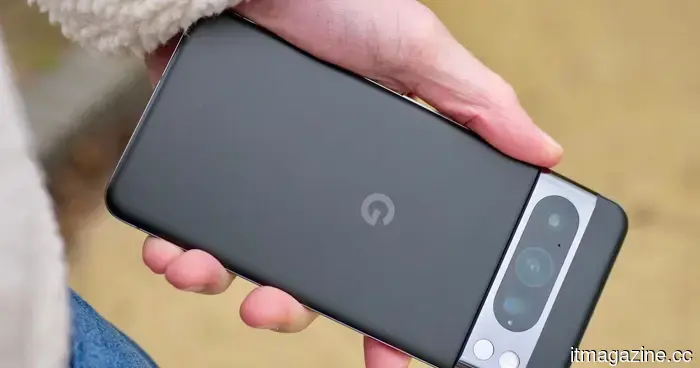 Following the Pixel 10 series, users of the Pixel 8 Pro are experiencing connectivity issues that require an ice pack to resolve.
Owners of the Pixel 8 Pro are experiencing extensive Wi-Fi issues following the March update, with attempted fixes proving ineffective and support responses lacking.
Following the Pixel 10 series, users of the Pixel 8 Pro are experiencing connectivity issues that require an ice pack to resolve.
Owners of the Pixel 8 Pro are experiencing extensive Wi-Fi issues following the March update, with attempted fixes proving ineffective and support responses lacking.
The iPhone 17 Pro Max captures breathtaking images from a Moon mission.
NASA's Artemis II mission demonstrates the iPhone 17 Pro Max capturing actual images from space, marking a transition as consumer devices start to enhance traditional cameras in extreme conditions outside of Earth.