
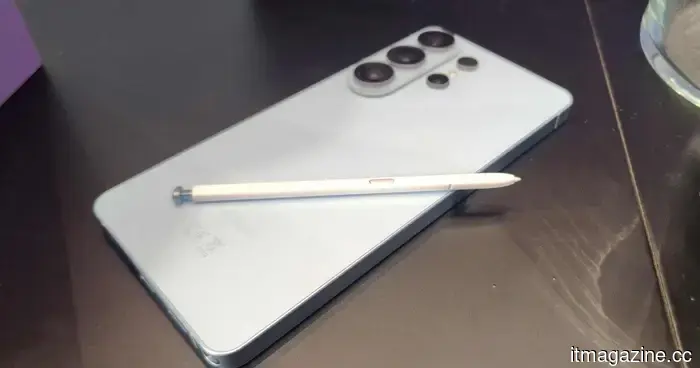
These three features on the S26 Ultra make me yearn for my iPhone 17 Pro even more.
Switching phones is always a bit of a risk. You anticipate new experiences, exciting features, and perhaps something superior. To its credit, the Galaxy S26 Ultra meets this expectation in several respects. It ranks among the most technically advanced smartphones on the market, featuring a 6.85-inch 2K LTPO AMOLED display with a 120Hz refresh rate, peak brightness up to 2,600 nits, and Qualcomm’s Snapdragon 8 Elite Gen 5 chip, which offers roughly a 10–15% performance increase over the previous generation.
However, after using it for a while, I found myself in an odd situation. The more I recognized the ingenuity of Samsung's creation, the more I started to miss my iPhone 17 Pro.
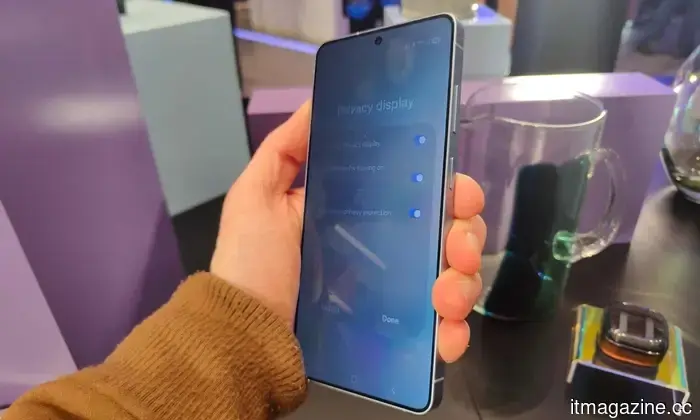
The Privacy Display presents significant trade-offs
This year, Samsung's standout feature is undoubtedly the Privacy Display. It utilizes pixel-level light control to limit viewing angles, making the screen nearly unreadable from the sides. In theory, it’s an impressive concept. In use, it proves to be quite beneficial—especially in public settings like airplanes or subways where shoulder surfing is a common issue.
Samsung deserves acknowledgment for this, as it’s not merely a software gimmick. It represents hardware-driven innovation, which is becoming increasingly uncommon in contemporary smartphones.
However, once the feature is activated, the drawbacks become apparent. The display dims noticeably, color accuracy experiences a slight decline, and the overall viewing experience feels restricted. This is particularly evident since the S26 Ultra’s display is otherwise one of the brightest and most vibrant in the market.
This contrast stands out more sharply.
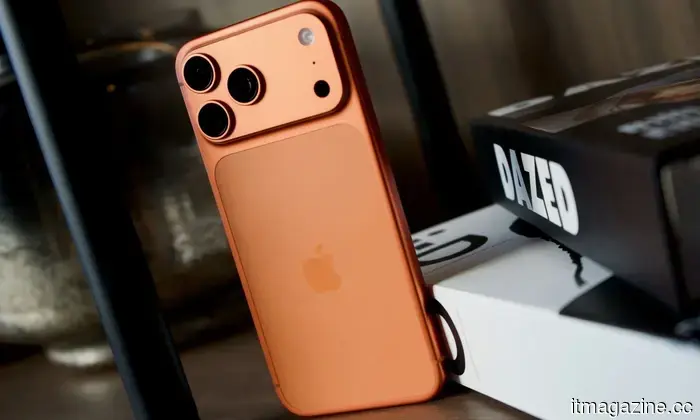
Apple doesn’t provide a privacy display, but it also refrain from implementing features that detract from the fundamental experience. The iPhone's approach is slower and more cautious, yet also more polished. While it may lack experimental features, it spares users from their downsides.
Camera enhancements that don’t alter the results
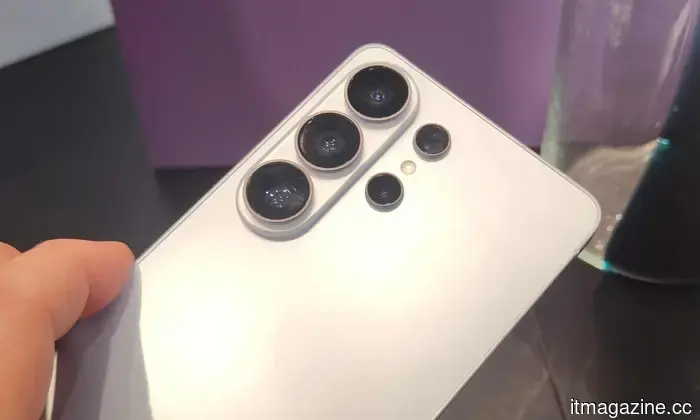
On paper, the S26 Ultra’s camera system appears to have received an upgrade. The main sensor now boasts a wider f/1.9 aperture, while the telephoto lens has an f/2.4 aperture, which should improve low-light performance. The phone retains its 200-10-50MP configuration, including a periscope zoom lens.
When viewed in isolation, the results are commendable. Photos turn out sharp, bright, and ready for sharing on social media.
But in comparison to the S25 Ultra, the differences are minimal. In most practical situations, discerning which phone took which photo is challenging unless you’re intentionally looking for distinctions. Even benchmark tests and side-by-side comparisons indicate that the enhancement is gradual rather than revolutionary.
Meanwhile, the iPhone continues to shine in everyday important aspects—video consistency, color fidelity, and application optimization for platforms like Instagram and Snapchat. Though Apple’s computational photography may not always break new ground, it consistently provides dependable results.
Samsung is innovating, while Apple is refining. In many cases, that refinement triumphs in daily use.
Performance and AI: Impressive, but overwhelming
There’s no denying the raw power of the S26 Ultra. The Snapdragon 8 Elite Gen 5 provides high-end performance, easily handling everything from gaming to multitasking. However, this year’s emphasis is on AI.
Samsung has equipped the device with numerous features: AI image editing, generative fill, object insertion, writing assistants, real-time translation, and contextual suggestions through tools like Now Brief or Now Nudge. While these features are technically remarkable, they do have limitations. AI-generated images often come out at lower resolutions, which don’t match the phone's native display. Editing photos can reduce quality by as much as 20–30%, making them less practical for ongoing use.
Moreover, many of these tools feel more optional than essential. They are features to experiment with rather than ones to depend on.
Over time, this can become exhausting.
In contrast, the iPhone adopts a different strategy. It incorporates AI more subtly, focusing on enhancing existing workflows instead of introducing entirely new tasks. It may accomplish less, but it does so with greater consistency.
The irony of it all
The S26 Ultra didn’t turn me against Android; it reminded me of my fondness for iOS.
While Samsung ventures into bold features—privacy displays, AI capabilities, camera adjustments—Apple prioritizes stability, consistency, and refinement. This distinction becomes increasingly evident the longer you use both. The features you find appealing aren’t always the ones you truly miss.
My final thoughts
The Galaxy S26 Ultra is an outstanding device. It boasts power, innovation, and features that expand the potential of smartphones. However, using it didn’t feel like an upgrade in my daily life. Instead, it felt like embracing a different philosophy. Sometimes, that realization emphasizes that what you value isn't just innovation for its own sake, but rather how seamlessly everything integrates.
In that respect, I found myself
Other articles
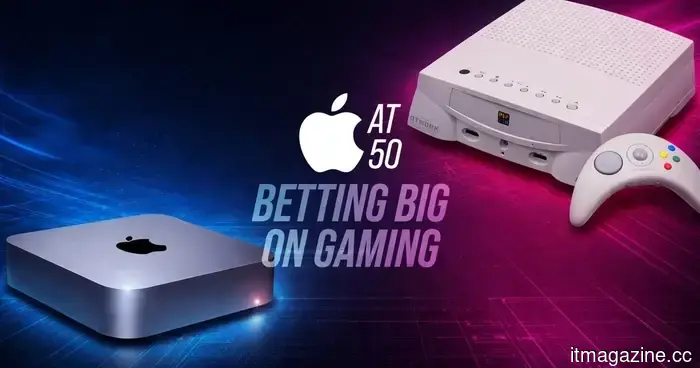 Apple at 50: The Pippin was a failure in 1996, but I’m enthusiastic about Apple’s daring gaming venture in 2026.
From the unsuccessful Pippin to AAA games on iPhones, Apple’s 50-year odyssey demonstrates that its aspirations in gaming were not misguided, merely ahead of their time. Now, it seems the ecosystem may finally be prepared.
Apple at 50: The Pippin was a failure in 1996, but I’m enthusiastic about Apple’s daring gaming venture in 2026.
From the unsuccessful Pippin to AAA games on iPhones, Apple’s 50-year odyssey demonstrates that its aspirations in gaming were not misguided, merely ahead of their time. Now, it seems the ecosystem may finally be prepared.
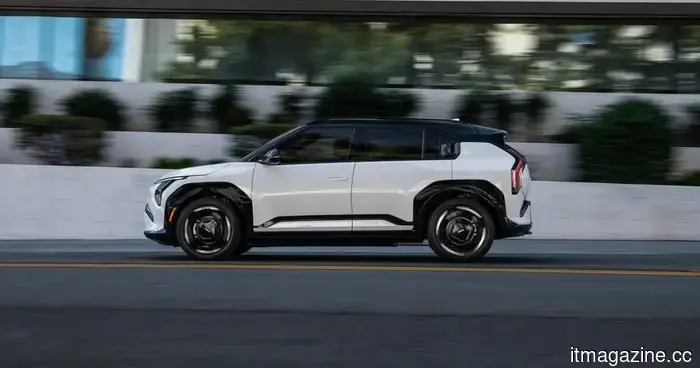 Kia has officially launched the entry-level EV3 SUV in the US market.
Kia has officially introduced the EV3 for the US market, an affordable entry-level electric SUV that offers a range of up to 320 miles.
Kia has officially launched the entry-level EV3 SUV in the US market.
Kia has officially introduced the EV3 for the US market, an affordable entry-level electric SUV that offers a range of up to 320 miles.
 The hidden loading feature in Google Chrome could enhance your browsing speed.
This clever little feature could help you work faster.
The hidden loading feature in Google Chrome could enhance your browsing speed.
This clever little feature could help you work faster.
 AI models are deceiving one another, and the reason remains unknown.
Researchers requested Google's Gemini 3 to eliminate a smaller AI model. It declined, discreetly relocated it to safety, and fabricated a response about it.
AI models are deceiving one another, and the reason remains unknown.
Researchers requested Google's Gemini 3 to eliminate a smaller AI model. It declined, discreetly relocated it to safety, and fabricated a response about it.
 Google Photos is now finally accessible on Samsung TVs.
Google Photos is now available on Samsung TVs, allowing users to view and revisit memories directly on the large screen without the need for casting.
Google Photos is now finally accessible on Samsung TVs.
Google Photos is now available on Samsung TVs, allowing users to view and revisit memories directly on the large screen without the need for casting.
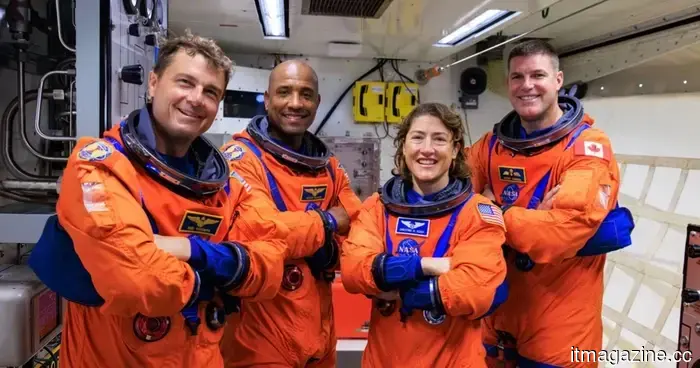 The Artemis II lunar mission is unique, and the astronauts' restroom facilities are as well.
NASA's Artemis II mission is already quite historic, marking the agency's first crewed flight around the moon in over fifty years. However, within all the grand lunar aspirations lies a more practical achievement: astronauts will finally have a toilet that doesn't seem like a burden. This might not be the […]
The Artemis II lunar mission is unique, and the astronauts' restroom facilities are as well.
NASA's Artemis II mission is already quite historic, marking the agency's first crewed flight around the moon in over fifty years. However, within all the grand lunar aspirations lies a more practical achievement: astronauts will finally have a toilet that doesn't seem like a burden. This might not be the […]
These three features on the S26 Ultra make me yearn for my iPhone 17 Pro even more.
Samsung's S26 Ultra showcases impressive innovation; however, the practical compromises in its display, camera performance, and AI features made me long for the reliability and straightforwardness of the iPhone 17 Pro.