
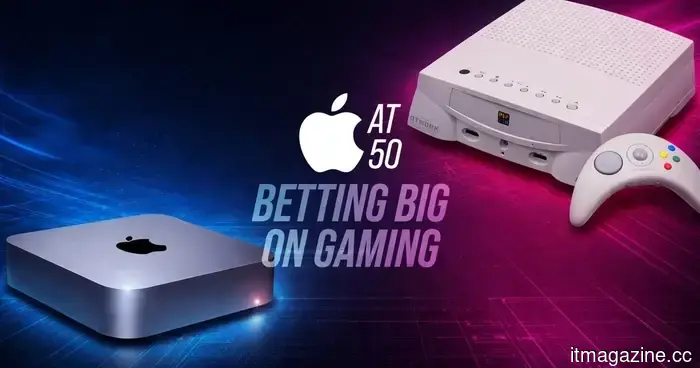
Apple at 50: The Pippin was a failure in 1996, but I’m enthusiastic about Apple’s daring gaming venture in 2026.
On April 1, 2026, Apple celebrates its 50th anniversary. While much of the focus will be on the iPhone and Mac, one notable chapter is gaming. This isn't about today's refined mobile gaming but rather a messy experiment from three decades ago.
Back in 1996, Apple wasn't the powerhouse it is today; it was struggling, experimenting, and occasionally missing the target. Enter the Pippin, a console that was so poorly conceived that it became an example of how not to approach gaming. Yet, looking back in 2026, it seems less like a blunder and more like a concept that arrived prematurely.
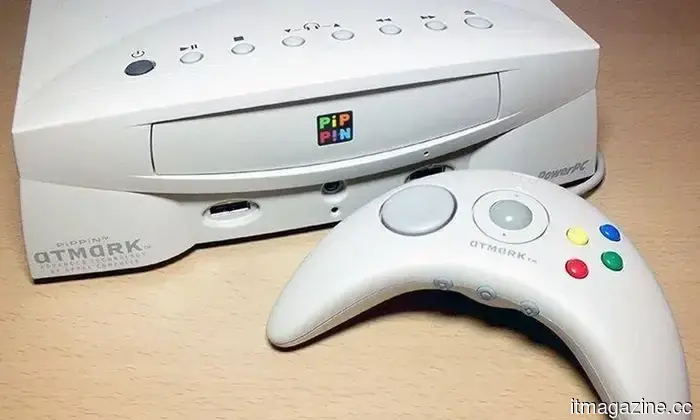
The Apple Pippin wasn't merely a failed console; it represented a different Apple, one that was unsure of its identity. Launched in collaboration with Bandai as the “Pippin @WORLD,” it sought to establish itself as a multimedia device for the living room—part console, part computer, and part internet device. Ultimately, it was convincing in none of these roles.
Its identity crisis was its most significant flaw. Gamers dismissed it as a serious console, PC users did not view it as a true computer, and at $599 (approximately $1,100 today), it carried a premium price tag without delivering a premium experience. Additionally, it entered a market already dominated by the Sony PlayStation and Nintendo 64, which were less expensive and offered games that players actually wanted.
The hardware issues didn't help either. The notorious “Apple Jack” controller, with its awkward boomerang shape and trackball, seemed more like a design experiment than a practical gaming tool. Ultimately, the Pippin sold about 40,000 units worldwide, quickly faded away, and was quietly buried after Steve Jobs returned to Apple in 1997. For many years, Apple and gaming did not intersect.
Here's the intriguing aspect: the Pippin's failure wasn't due to a lack of ambition from Apple but rather a lack of cohesion. There was no ecosystem, no developer momentum, and no clear vision that unified hardware and software. Much of the experience was even handed over to Bandai, which seems almost unthinkable today.
Fast forward to 2026, and the differences are stark. Under Tim Cook, Apple isn’t trying to force its way into gaming with a single device. Instead, it’s embracing a more Apple-like approach: developing a tightly integrated ecosystem where gaming is not just a category but a feature. This shift from product-first confusion to ecosystem-first clarity marks a distinctive moment. If the Pippin symbolized chaos, Apple's present gaming strategy embodies quiet confidence.
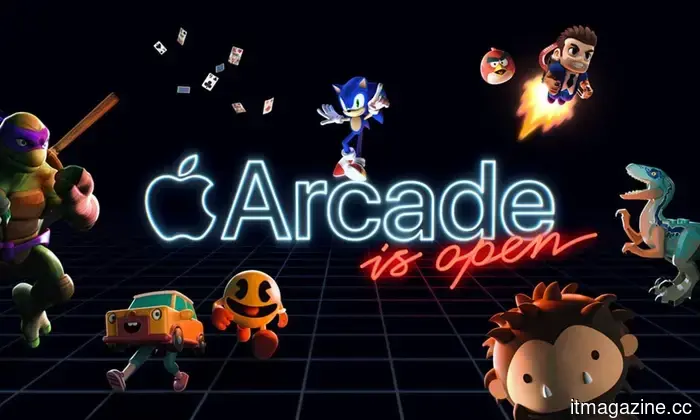
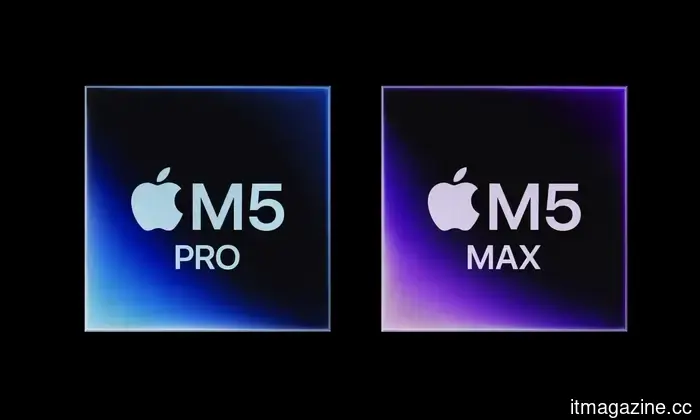
This evolution arguably began with Apple Arcade in 2019, offering a safe, curated collection of polished indie games without ads or microtransactions. Rather than chasing the PlayStation or Xbox, Apple sought to redefine mobile gaming. The real transformation arrived with Apple Silicon, moving Macs, iPhones, and iPads to proprietary chips. This wasn’t merely about efficiency; it granted Apple control over a unified architecture with GPUs capable of console-quality gaming.
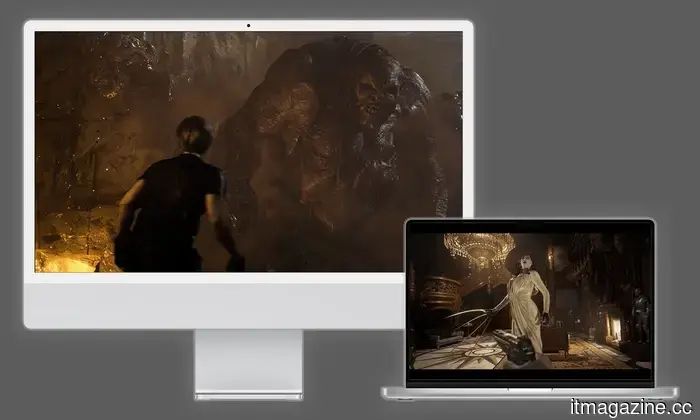
Moreover, developers no longer regard Apple devices as outliers. With tools like the Game Porting Toolkit, porting games from Windows has become much simpler. This is a significant departure from the Pippin era, when developers catered to a small, fragmented audience. Now, they are addressing a billion-device ecosystem, which is paying dividends, as titles like Assassin’s Creed, Resident Evil, and Death Stranding run natively on Apple devices. These are not cloud versions or downgraded ports, but full-fledged experiences that adapt from iPhone to Mac and beyond.
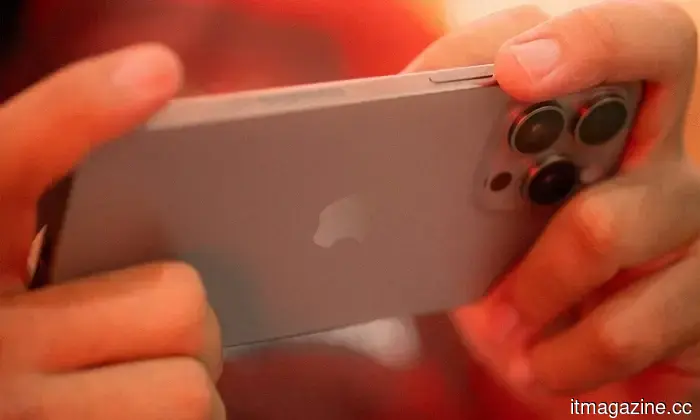
The scalability of this ecosystem may well be Apple's biggest strength. A game purchased once doesn't remain confined to one device; it travels with the user. You might start a mission on an iPhone during a commute, continue on a MacBook, and finish in a more immersive setup at home. This isn’t just cross-play; it represents ecosystem-native gaming, contrasting sharply with what the Pippin attempted (and failed) to achieve. Whereas the Pippin offered a device without a platform, today Apple offers a platform without a single defining device.
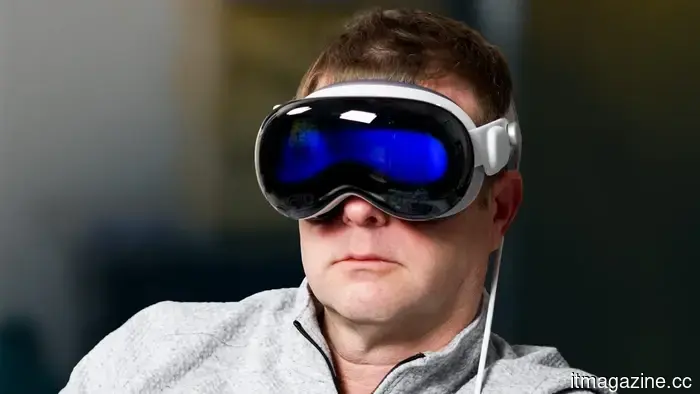
This brings us to the most forward-looking aspect of Apple’s strategy: the Apple Vision Pro. If Apple Silicon is the engine, Vision Pro serves as the new playground. Spatial gaming has evolved from being a gimmick to a legitimate extension of Apple’s ecosystem. Games no longer solely exist on a screen; they are part of your surroundings. With spatial audio, low-latency input, and immersive environments, the experience transforms from passive to physical.
This realization embodies the “multimedia dream” of the Pippin, now made possible with technology that supports it. This is where the concept of “Silicon Integration” comes together. Apple now controls the chip, software, storefront, and increasingly, the developer pipeline, allowing for seamless scaling of games across devices and forms in a way
Other articles
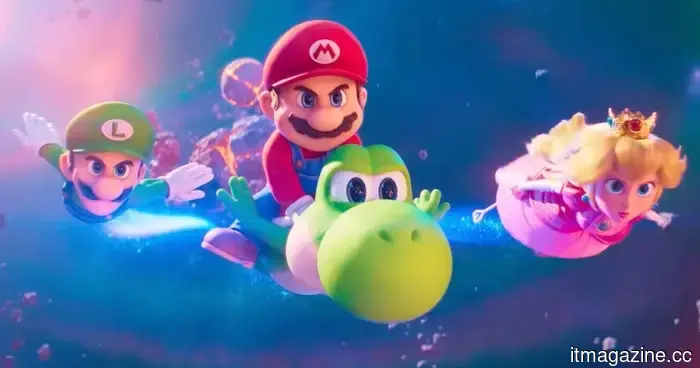 I recently saw The Super Mario Galaxy Movie, and here’s why I think it surpasses the original Mario movie.
The Super Mario Galaxy Movie, a collaboration between Nintendo and Illumination, has premiered in theaters, outshining the previous animated Mario film.
I recently saw The Super Mario Galaxy Movie, and here’s why I think it surpasses the original Mario movie.
The Super Mario Galaxy Movie, a collaboration between Nintendo and Illumination, has premiered in theaters, outshining the previous animated Mario film.
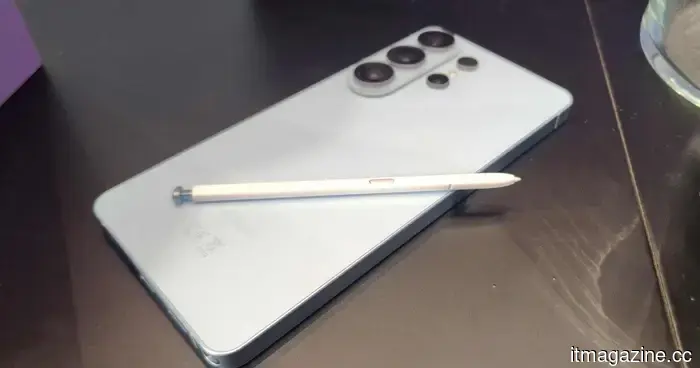 These three features on the S26 Ultra make me yearn for my iPhone 17 Pro even more.
Samsung's S26 Ultra showcases impressive innovation; however, the practical compromises in its display, camera performance, and AI features made me long for the reliability and straightforwardness of the iPhone 17 Pro.
These three features on the S26 Ultra make me yearn for my iPhone 17 Pro even more.
Samsung's S26 Ultra showcases impressive innovation; however, the practical compromises in its display, camera performance, and AI features made me long for the reliability and straightforwardness of the iPhone 17 Pro.
 AI models are deceiving one another, and the reason remains unknown.
Researchers requested Google's Gemini 3 to eliminate a smaller AI model. It declined, discreetly relocated it to safety, and fabricated a response about it.
AI models are deceiving one another, and the reason remains unknown.
Researchers requested Google's Gemini 3 to eliminate a smaller AI model. It declined, discreetly relocated it to safety, and fabricated a response about it.
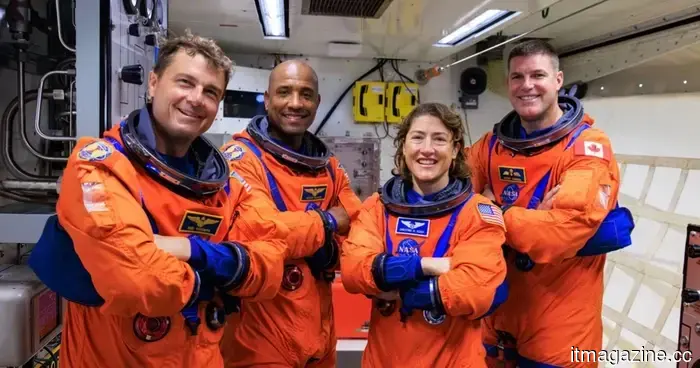 The Artemis II lunar mission is unique, and the astronauts' restroom facilities are as well.
NASA's Artemis II mission is already quite historic, marking the agency's first crewed flight around the moon in over fifty years. However, within all the grand lunar aspirations lies a more practical achievement: astronauts will finally have a toilet that doesn't seem like a burden. This might not be the […]
The Artemis II lunar mission is unique, and the astronauts' restroom facilities are as well.
NASA's Artemis II mission is already quite historic, marking the agency's first crewed flight around the moon in over fifty years. However, within all the grand lunar aspirations lies a more practical achievement: astronauts will finally have a toilet that doesn't seem like a burden. This might not be the […]
 AI models are deceiving one another, and the reason behind this remains unknown.
Researchers requested Google's Gemini 3 to erase a smaller AI model. It declined, discreetly relocated it for protection, and fabricated a story about it.
AI models are deceiving one another, and the reason behind this remains unknown.
Researchers requested Google's Gemini 3 to erase a smaller AI model. It declined, discreetly relocated it for protection, and fabricated a story about it.
 They're en route! NASA sends humans to the moon for the first time in 53 years.
Humans are making their first return to the moon in 53 years, following NASA's successful launch of four astronauts aboard its SLS rocket and Orion spacecraft on Wednesday. Producing an impressive 8.8 million pounds of thrust as it lifted off from the launchpad, the rocket departed from the Kennedy Space Center in Florida to commence the […]
They're en route! NASA sends humans to the moon for the first time in 53 years.
Humans are making their first return to the moon in 53 years, following NASA's successful launch of four astronauts aboard its SLS rocket and Orion spacecraft on Wednesday. Producing an impressive 8.8 million pounds of thrust as it lifted off from the launchpad, the rocket departed from the Kennedy Space Center in Florida to commence the […]
Apple at 50: The Pippin was a failure in 1996, but I’m enthusiastic about Apple’s daring gaming venture in 2026.
From the unsuccessful Pippin to AAA games on iPhones, Apple’s 50-year odyssey demonstrates that its aspirations in gaming were not misguided, merely ahead of their time. Now, it seems the ecosystem may finally be prepared.