
WWDC 2026: What to Anticipate from Apple's June Event
Apple has officially announced the dates for its annual developer conference — WWDC 2026 — the event that sets the stage for the new versions of iOS, iPadOS, and macOS that will be released to the public in September 2026.
In addition to the annual software updates, the conference is also expected to highlight Apple’s progress in AI technology. Unlike previous years, the company may showcase some new hardware, particularly significant ones, adding more excitement to the event.
When is Apple hosting WWDC 2026?
Apple
Apple has confirmed that WWDC 2026 will occur from June 8 to June 12, 2026. Among all the events, the keynote on June 8 at 10 AM PT is the most crucial.
We anticipate that the keynote will begin with remarks from Tim Cook, followed by Apple’s SVP of software engineering, Craig Federighi, along with other executives involved in the new developments.
On the same day, Apple will conduct the Platforms State of the Union and host in-person events with developers and students. The technical sessions, interactive labs, and one-on-one appointments with developers will run until June 12, 2026.
Apple's intelligence will evolve with Siri 2.0
Apple
Apple has been vocal about enhancing AI experiences, particularly in recent years, but its execution has faced challenges. However, WWDC 2026 might be the turning point.
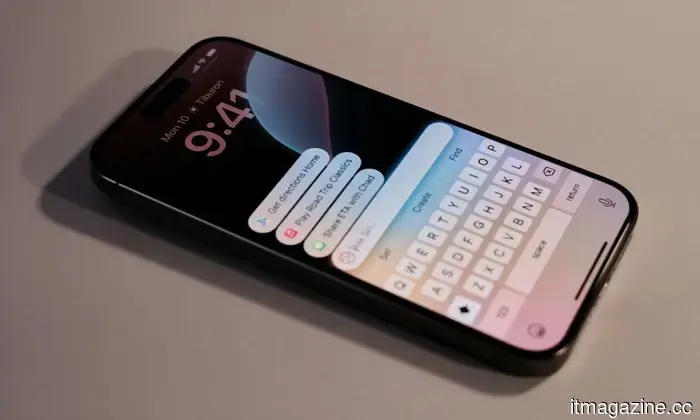
One of the standout features of the event could be “Campos,” Apple’s completely redesigned Siri (dubbed Siri 2.0). This new iteration of the voice assistant is expected to provide a genuine chatbot experience deeply integrated into the forthcoming operating systems (iOS 27 and others).
The revamped Siri should be capable of browsing web listings, generating images, summarizing information, reading uploaded files, and accomplishing tasks using individual device data.
Additionally, it will reportedly feature the highly anticipated on-screen awareness capability, allowing Siri to understand what is currently displayed and provide pertinent suggestions or answers.
The enhanced Siri will be based on a custom language model influenced by Google’s Gemini — integrating Apple’s front-end with Google’s back-end technology. There are also rumors of a visual redesign, potentially featuring an animated character with a personality reminiscent of “Clippy.”
Beyond the new Siri, Apple is expected to unveil Core AI, a significant upgrade to Core ML, which will enhance developer tools for running large language models and diffusion models on devices.
iOS 27: The “Snow Leopard” update
Nirave Gondhia / Digital Trends
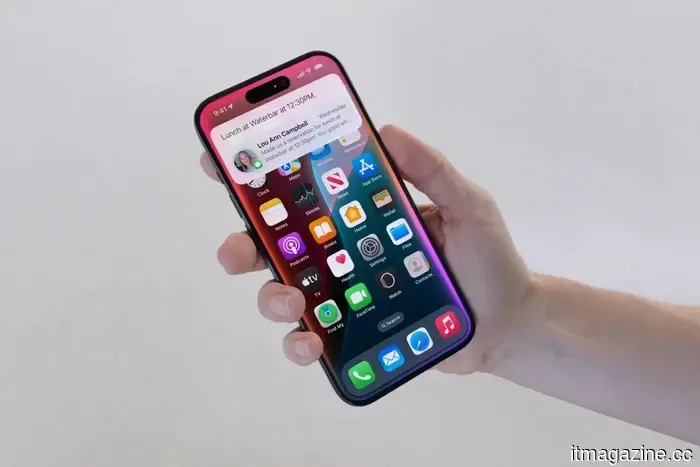
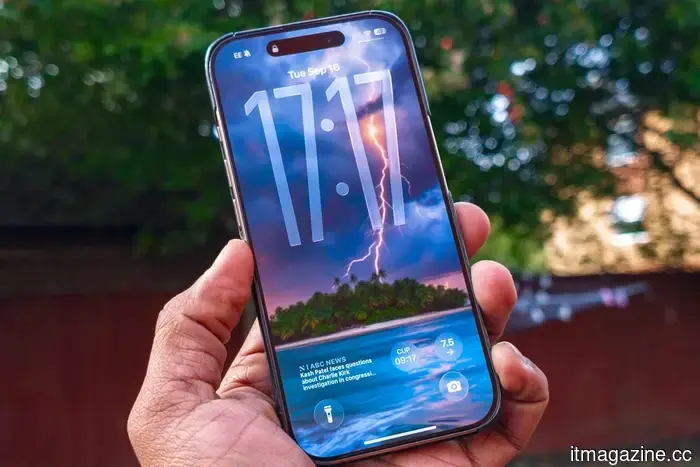
If iOS 26 is considered Apple’s most significant update in years, iOS 27 is positioned as a more subdued follow-up. The internal directive to Apple's engineering team is to refine the operating system by fixing bugs, rewriting legacy code, and improving efficiency. This could lead to noticeable battery-life enhancements, even for older iPhone models.
While the Liquid Glass design language will remain unchanged, iOS 27 is rumored to feature a customization slider that allows users to adjust the transparency of the glass effect, a feature that was initially shelved during the iOS 26 development.
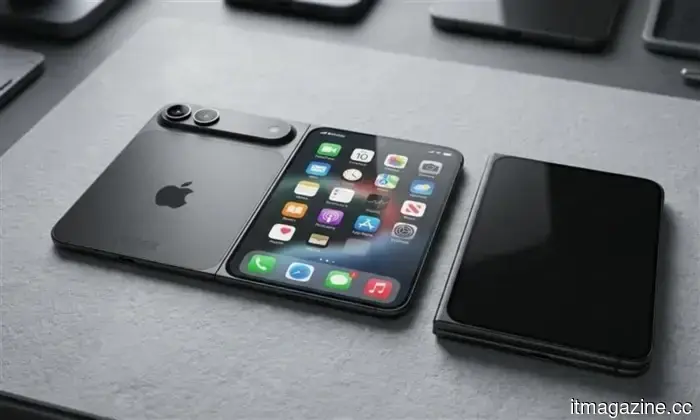
iOS 27 is also prepping Apple’s OS for the anticipated iPhone Fold. It may introduce side-by-side multitasking to iOS for the first time, revise first-party app layouts for the larger inner screen, and enhance touch interactions across the platform.
On the apps front, there may be a delayed redesign for the Calendar app with AI integration and smarter photo collections, according to leaked code. Another vital update could involve support for satellite-based 5G connectivity, potentially debuting with the iPhone 18 Pro, enabling users to utilize Apple Maps and send photos/videos via satellite.
Compatibility-wise, the iPhone 11 generation seems to be nearing the end of its support period, having been active for six years already.
Other platforms: iPadOS, macOS, tvOS, and visionOS 27
Apple
Like iOS 27, all other software platforms will follow a similar strategy of refinement, stability, and deeper integration with Siri.
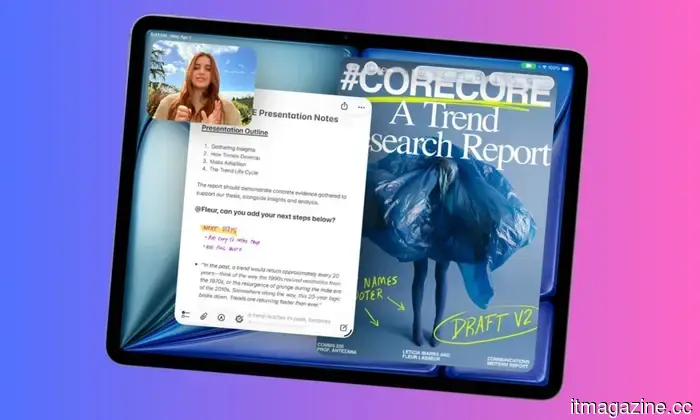
Starting with iPadOS 27, it is expected to receive Siri 2.0, the customization slider for the Liquid Glass effect, and likely benefit from the new app layout APIs tailored for the iPhone Fold. However, it seems iPadOS 27 might have fewer features compared to the others.
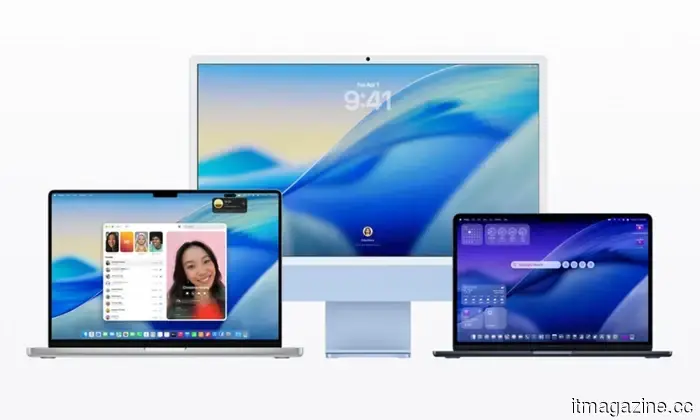
In contrast, macOS 27 has substantial updates in store. This release will mark the end of Intel Mac support, as recent rumors indicate that macOS 27 will exclusively run on Apple Silicon (M1 or later), completing a transition that began in 2020. This version will also be the final one to support Rosetta 2, ensuring Intel-based applications remain usable.
Alongside general enhancements, macOS will get the Snow Leopard-style treatment along with further app refinements. A notable update is expected regarding touch optimization for a rumored touchscreen MacBook Pro variant,
Другие статьи
.jpg) Apple TV Not Functioning? 12 Frequent Issues and Expert-Approved Solutions (2026)
The Apple TV is an excellent streaming device, but it may experience glitches occasionally. Here’s a guide to some of the typical Apple TV problems and their solutions.
Apple TV Not Functioning? 12 Frequent Issues and Expert-Approved Solutions (2026)
The Apple TV is an excellent streaming device, but it may experience glitches occasionally. Here’s a guide to some of the typical Apple TV problems and their solutions.
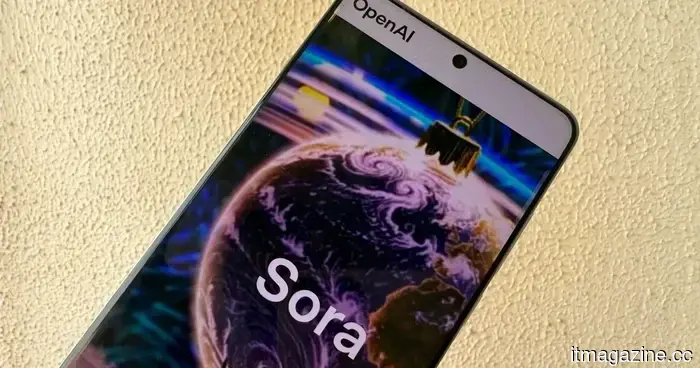 OpenAI shuts down the Sora AI video application, and it probably won't be coming back.
Just six months after its release as an independent app, the Sora AI video generator is coming to an end. This decision is quite unexpected, especially since Google has been intensifying its AI video initiatives with Veo, and Chinese AI brands are achieving remarkable success with offerings like the viral Seedance AI video.
OpenAI shuts down the Sora AI video application, and it probably won't be coming back.
Just six months after its release as an independent app, the Sora AI video generator is coming to an end. This decision is quite unexpected, especially since Google has been intensifying its AI video initiatives with Veo, and Chinese AI brands are achieving remarkable success with offerings like the viral Seedance AI video.
.jpg) Apple TV Not Functioning? 12 Common Issues and Expert-Confirmed Solutions (2026)
The Apple TV is an excellent streaming device, but it can occasionally experience glitches. Here’s a guide to some of the frequent Apple TV problems and their solutions.
Apple TV Not Functioning? 12 Common Issues and Expert-Confirmed Solutions (2026)
The Apple TV is an excellent streaming device, but it can occasionally experience glitches. Here’s a guide to some of the frequent Apple TV problems and their solutions.
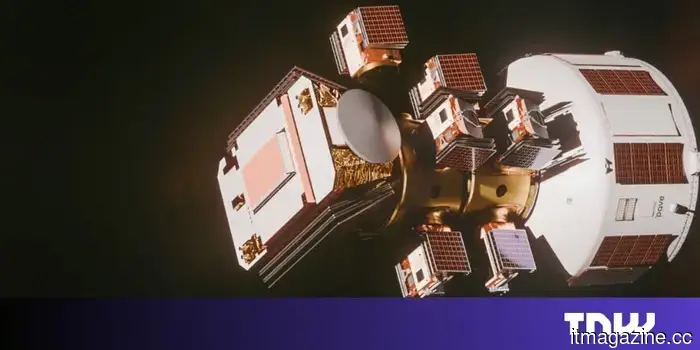 PAVE Space secures $40 million to develop orbital transfer vehicles.
Swiss startup PAVE Space has secured $40 million to develop orbital transfer vehicles capable of relocating satellites to any orbit within 24 hours.
PAVE Space secures $40 million to develop orbital transfer vehicles.
Swiss startup PAVE Space has secured $40 million to develop orbital transfer vehicles capable of relocating satellites to any orbit within 24 hours.
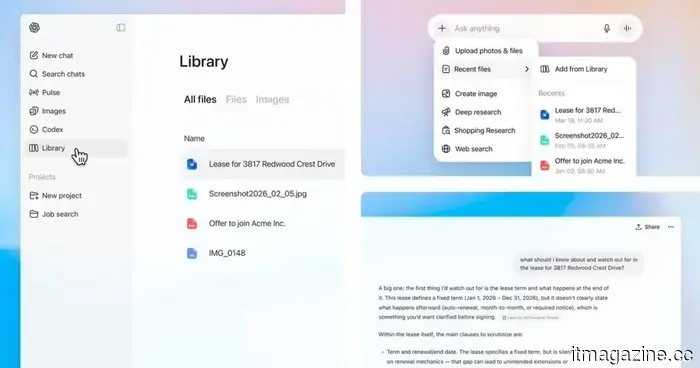 ChatGPT is receiving a significant update to enhance file management capabilities.
OpenAI is introducing a new Library tab and Recent files menu in ChatGPT, which simplifies the process of locating, reusing, and managing files throughout conversations.
ChatGPT is receiving a significant update to enhance file management capabilities.
OpenAI is introducing a new Library tab and Recent files menu in ChatGPT, which simplifies the process of locating, reusing, and managing files throughout conversations.
 Origin secures $30 million in Series A+ funding.
Origin has secured $30 million in a Series A+ funding round led by Notion Capital to enhance its AI platform, which provides multinationals with insights into benefits expenditures.
Origin secures $30 million in Series A+ funding.
Origin has secured $30 million in a Series A+ funding round led by Notion Capital to enhance its AI platform, which provides multinationals with insights into benefits expenditures.
WWDC 2026: What to Anticipate from Apple's June Event
WWDC 2026 appears to be Apple's most subdued keynote in years, yet it could also be its most significant. Here’s what we anticipate on June 8.