
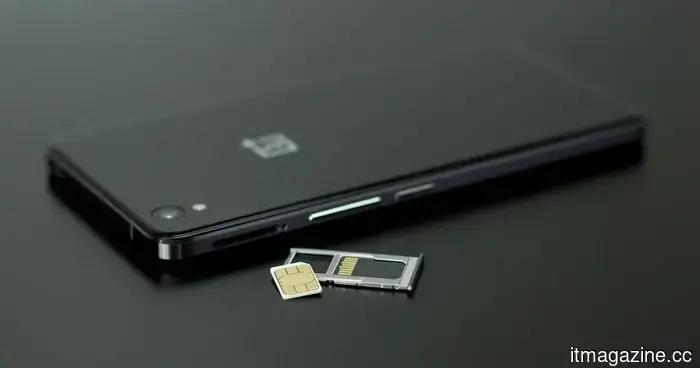
The memory crisis could lead to the return of expandable storage in smartphones.
Smartphones are becoming increasingly pricey, but expandable storage may offer a solution.
The persistent memory shortage is beginning to affect smartphone manufacturers, with consumers witnessing the consequences through rising prices and specifications.
Recent reports indicate that the cost of high-end RAM and storage options has exceeded that of flagship processors, making a significant change in smartphone construction. This is notable as the processor was typically the most costly component, but now, it appears that memory is taking that top position.
What's the challenge?
The issue is straightforward. The heightened demand for AI has triggered a steep increase in memory prices. AI data centers and services are consuming high-speed storage and RAM chips, leading to soaring costs for flagship configurations such as 16GB RAM and 1TB storage. Even mid-range devices are maintaining 8GB RAM, forcing brands to either reduce specifications or hike prices to preserve profit margins.
A modern challenge, a familiar resolution
Here’s where it becomes intriguing.
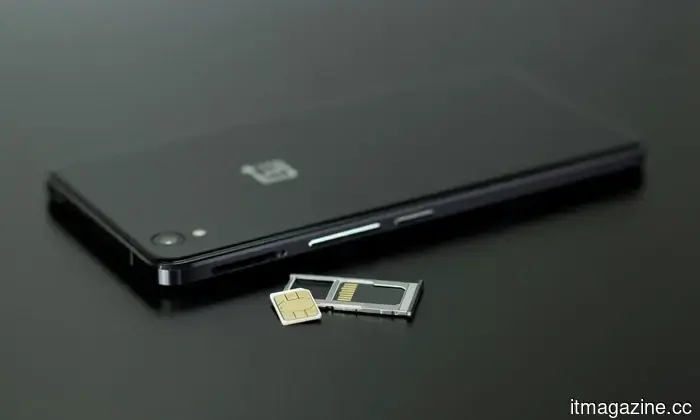
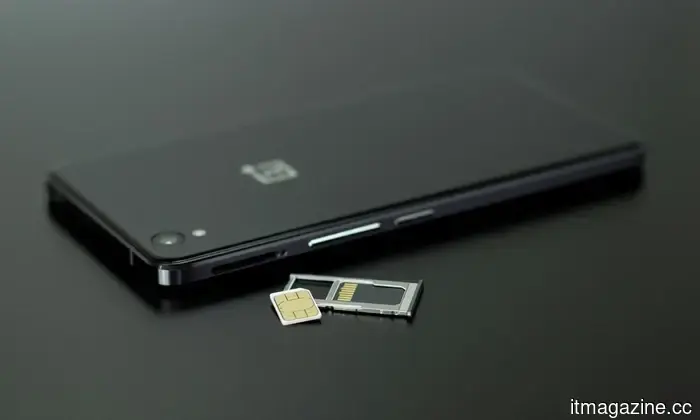
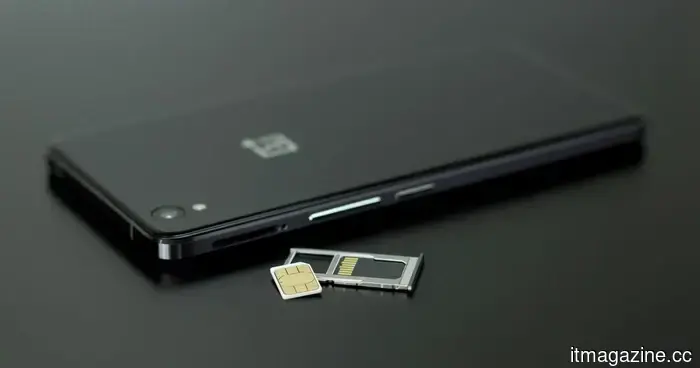
Instead of persisting with the trend of “more internal storage each year,” smartphone manufacturers could reconsider an older, dependable solution: expandable storage through microSD cards, especially using hybrid SIM slots. For those unfamiliar, hybrid SIM slots allow users to opt for dual SIMs or one SIM combined with a microSD card.
Why hybrid storage might make a comeback
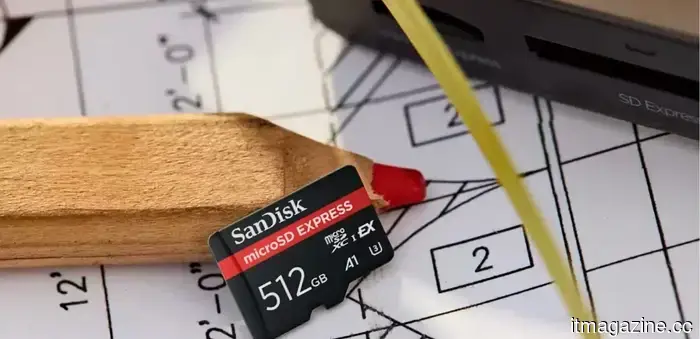
Expandable storage addresses a specific need by enabling users to enhance their device's storage capacity. Rather than selling phones with costly 512GB or 1TB internal storage, brands could reduce the standard storage to 128GB or 256GB and permit users to augment it with microSD cards.
However, this approach comes with genuine trade-offs.
There is a reason companies moved away from microSD cards initially. External storage cards tend to operate at slower speeds compared to internal storage, provide less control over performance consistency, and can lead to fragmentation in user experience.
Tech journalist and product reviewer Sean specializes in consumer electronics and has covered a wide range of topics, from flagship products to emerging technologies.
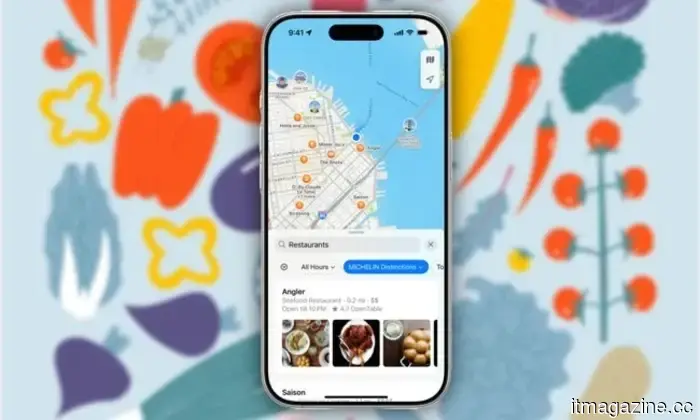
Apple takes a step into ad territory within Maps
Apple is venturing into advertising within Apple Maps, following a model similar to Google Maps, which has the potential to reshape how a billion users discover, navigate, and engage with the app.
Apple has officially decided to implement ads in Apple Maps, enabling businesses to purchase visual space within the app’s search results. The company’s services division is already generating over $100 billion annually, and monetizing Maps would be a logical progression. The app is utilized by millions across iPhones, Apple Watches, and CarPlay dashboards, making it an ideal platform for targeted advertising.
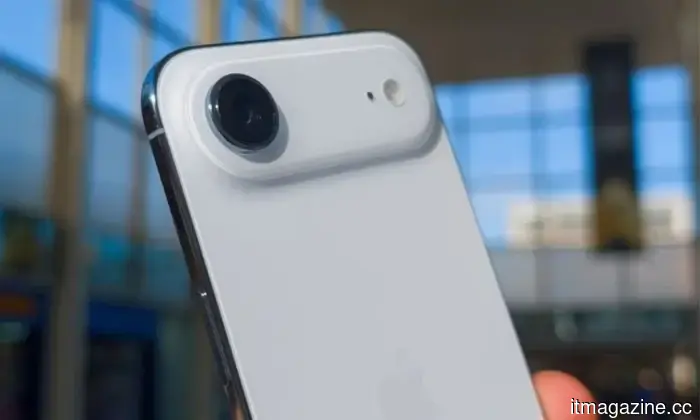
iPhone Air outselling Samsung’s slim phone and Apple's retired Plus model
The iPhone Air has dramatically outsold the Plus model and is outperforming Samsung's sleek phone by a ratio of 3 to 1.
My favorite contemporary iPhone was the iPhone 13 Mini. It addressed the battery issues of the iPhone 12 Mini while maintaining the convenient one-handed design. However, it did not achieve sufficient sales, leading Apple to discontinue it in favor of a Plus model. Even the Plus model struggled to captivate customers, and Apple quietly phased it out last year, replacing it with the sleeker iPhone Air. Initial reports indicated that the iPhone Air was underperforming, but new data from Ookla’s Speedtest Intelligence suggests these assertions may have been exaggerated.
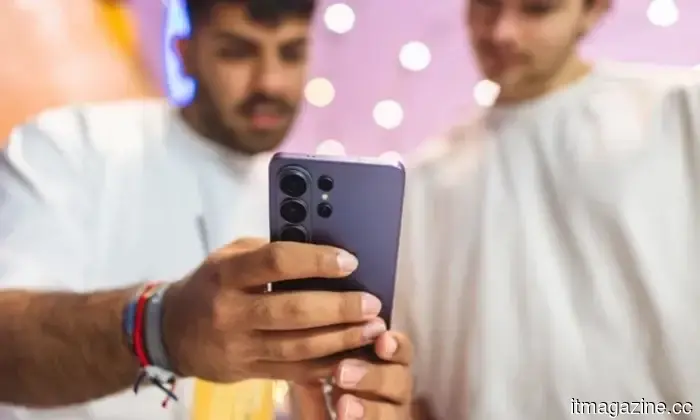
Sharing files on Galaxy S26 simplified with AirDrop support
Samsung enhances Quick Share to function more like Apple’s AirDrop across regions.
Sharing files on your phone has become more straightforward if you're using Samsung's latest device. The Galaxy S26 is incorporating AirDrop-style support through an update to its sharing system, starting March 23. This update introduces a more familiar method for sending photos, videos, and files between devices without relying on additional apps or complicated methods, which is particularly beneficial for users switching between platforms or who have experienced inconsistent transfer options in the past.

Other articles
 Human therapists staged a strike to protest against being replaced by AI counselors.
Are AI chatbots on the verge of taking the place of your therapist? This concern led to a strike by 2,400 mental health providers from Kaiser Permanente.
Human therapists staged a strike to protest against being replaced by AI counselors.
Are AI chatbots on the verge of taking the place of your therapist? This concern led to a strike by 2,400 mental health providers from Kaiser Permanente.
 Nvidia DLSS 5 could represent the future of graphics, but I still wish for a large "Off" switch.
DLSS 5 could represent the most significant advancement in real-time graphics in years, yet its AI-filtered appearance, computational expense, and associated risks cannot be overlooked.
Nvidia DLSS 5 could represent the future of graphics, but I still wish for a large "Off" switch.
DLSS 5 could represent the most significant advancement in real-time graphics in years, yet its AI-filtered appearance, computational expense, and associated risks cannot be overlooked.
 Laifen Spring Sale 2026: Enhance Your Grooming Routine with Innovative Technology and Significant Savings
Laifen is launching its Spring Sale 2026, offering enticing discounts on its personal care products, making it an ideal opportunity to enhance your daily routine. The event will take place from March 21 to March 31, 2026, featuring price reductions of up to 25%, as well as extra savings on Amazon with special coupon codes. [...]
Laifen Spring Sale 2026: Enhance Your Grooming Routine with Innovative Technology and Significant Savings
Laifen is launching its Spring Sale 2026, offering enticing discounts on its personal care products, making it an ideal opportunity to enhance your daily routine. The event will take place from March 21 to March 31, 2026, featuring price reductions of up to 25%, as well as extra savings on Amazon with special coupon codes. [...]
 The memory crisis could lead to the reintroduction of expandable storage in smartphones.
With the rise in prices for RAM and storage, smartphone manufacturers might consider hybrid storage options such as microSD cards to manage expenses.
The memory crisis could lead to the reintroduction of expandable storage in smartphones.
With the rise in prices for RAM and storage, smartphone manufacturers might consider hybrid storage options such as microSD cards to manage expenses.
 JAAQ secures $17 million to incorporate clinically approved mental health content.
JAAQ has secured $17 million to expand its clinically supervised mental health platform into the US, integrating video content within the digital resources offered to employers.
JAAQ secures $17 million to incorporate clinically approved mental health content.
JAAQ has secured $17 million to expand its clinically supervised mental health platform into the US, integrating video content within the digital resources offered to employers.
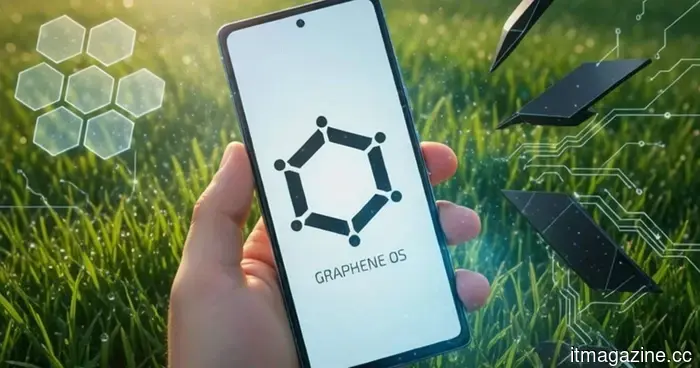 GrapheneOS maintains a strict stance on privacy, with no identity verification required at any point.
GrapheneOS is steadfast in its stance against global identification regulations, maintaining its no-account policy despite the potential restrictions on access in certain areas, prioritizing enhanced privacy protections over convenience and availability.
GrapheneOS maintains a strict stance on privacy, with no identity verification required at any point.
GrapheneOS is steadfast in its stance against global identification regulations, maintaining its no-account policy despite the potential restrictions on access in certain areas, prioritizing enhanced privacy protections over convenience and availability.
The memory crisis could lead to the return of expandable storage in smartphones.
With the increase in RAM and storage costs, smartphone manufacturers might consider hybrid storage options such as microSD cards to manage expenses.