
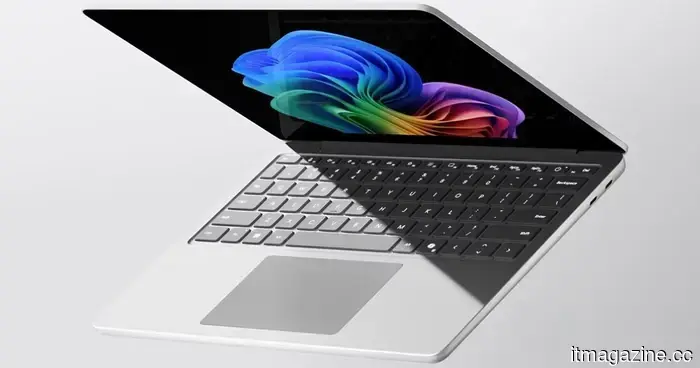
The future of Windows might feature a reduction in ads and distracting upsell prompts.
Microsoft is aiming to create a “calmer” operating system with fewer upsells and distractions.
Microsoft appears to be tackling one of the most frustrating aspects of Windows 11: the frequent advertisements and upselling. Scott Hanselman, a key engineering figure behind the new updates for Windows, stated that the company is striving to make Windows 11 a more “calm and relaxed OS with fewer upsells,” particularly in areas such as the Start menu and system notifications.
Scott Hanselman confirmed the intent for a more serene and tranquil OS with diminished upsells via a tweet on March 21, 2026.
This effort is in response to years of user criticism regarding the persistent nudges toward services like Edge, OneDrive, Microsoft 365, and even Copilot, often in unexpected places.
Why is Microsoft scaling back on ads?
Over time, Windows 11 has evolved into a platform that not only operates applications but also advertises them. From the recommendations in the Start menu to prompts during setup and full-screen nudges, Microsoft has been aggressively promoting its ecosystem. Even employees within Microsoft have recognized this issue. The aim for a “calmer” experience signifies the company's acknowledgment that Windows has become somewhat overwhelming and needs adjustment.
That being said, don’t anticipate the complete removal of ads. The objective seems to be diminishing the clutter rather than eradicating it.
What changes are on the horizon?
The primary change is straightforward: Windows will attempt to promote fewer products. Microsoft plans to minimize advertisements in the Start menu and the operating system while enhancing performance, refining the user interface, and reducing unnecessary prompts to create a smoother, less intrusive experience.
In terms of additional changes, Microsoft is also looking at user-friendly adjustments, such as possibly eliminating the mandatory Microsoft account sign-in during setup, reinstating a movable taskbar, optimizing Windows 11 for better performance with 8GB of RAM to compete with devices like the MacBook Neo, and reconsidering the how integrated Copilot AI is within the OS. Collectively, it seems Microsoft is shifting its focus from aggressive service promotion to enhancing the core user experience.



Other articles
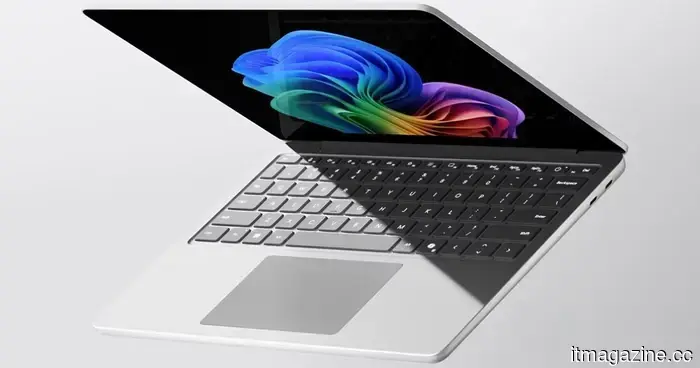 The future of Windows may feature a reduction in advertisements and distracting upsell prompts.
Microsoft might be taking steps to tackle one of the most annoying aspects of Windows 11: the ongoing ads and upsells. Scott Hanselman, a key engineering figure behind the new Windows improvements, mentioned that the company is aiming to create a version of Windows 11 that is “calmer and more relaxed with fewer upsells.”
The future of Windows may feature a reduction in advertisements and distracting upsell prompts.
Microsoft might be taking steps to tackle one of the most annoying aspects of Windows 11: the ongoing ads and upsells. Scott Hanselman, a key engineering figure behind the new Windows improvements, mentioned that the company is aiming to create a version of Windows 11 that is “calmer and more relaxed with fewer upsells.”
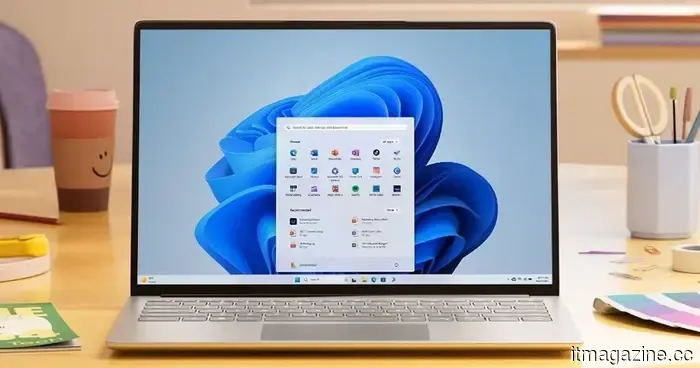 Windows may finally address one of its most frustrating setup issues.
Microsoft might eliminate the requirement for a mandatory Microsoft account sign-in during the setup of Windows 11, a regulation that has faced considerable criticism for new PCs.
Windows may finally address one of its most frustrating setup issues.
Microsoft might eliminate the requirement for a mandatory Microsoft account sign-in during the setup of Windows 11, a regulation that has faced considerable criticism for new PCs.
.jpg) Why many people dislike NVIDIA DLSS 5 (but will eventually come to appreciate it)
DLSS 5: transforming from “next-gen magic” into a “makeup filter gone wrong.” Disliked now, but unavoidable in the future, as AI understands that aesthetics are just as important as pixels.
Why many people dislike NVIDIA DLSS 5 (but will eventually come to appreciate it)
DLSS 5: transforming from “next-gen magic” into a “makeup filter gone wrong.” Disliked now, but unavoidable in the future, as AI understands that aesthetics are just as important as pixels.
 360 Capital secures €85 million for its deeptech fund.
360 Capital has secured €85 million for a new deeptech fund supported by a European defense contractor, marking the latest indication of defense capital being directed into venture capital.
360 Capital secures €85 million for its deeptech fund.
360 Capital has secured €85 million for a new deeptech fund supported by a European defense contractor, marking the latest indication of defense capital being directed into venture capital.
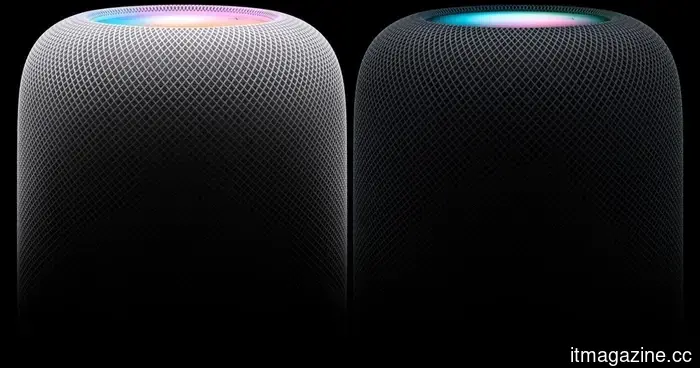 According to reports, Apple is holding back on new products because Siri AI is not yet prepared.
Apple might be postponing the launches of new HomePod and Apple TV models because some Siri AI features are not yet complete, despite current stock levels being low.
According to reports, Apple is holding back on new products because Siri AI is not yet prepared.
Apple might be postponing the launches of new HomePod and Apple TV models because some Siri AI features are not yet complete, despite current stock levels being low.
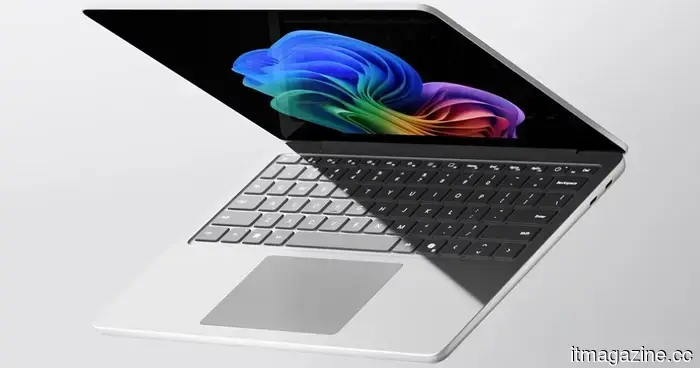 The future of Windows may feature a reduction in advertisements and distracting upsell promotions.
Microsoft might be finally tackling one of the most irritating aspects of Windows 11: the incessant ads and promotional offers. Scott Hanselman, a key engineering figure driving the new Windows improvements, mentioned that the company is striving to create a more “calm and relaxed OS with fewer upsells.” [...]
The future of Windows may feature a reduction in advertisements and distracting upsell promotions.
Microsoft might be finally tackling one of the most irritating aspects of Windows 11: the incessant ads and promotional offers. Scott Hanselman, a key engineering figure driving the new Windows improvements, mentioned that the company is striving to create a more “calm and relaxed OS with fewer upsells.” [...]
The future of Windows might feature a reduction in ads and distracting upsell prompts.
Microsoft might finally be tackling one of the most annoying aspects of Windows 11: the persistent ads and upselling. As per Scott Hanselman, one of the engineering leaders driving the new updates, the company is currently focused on transforming Windows 11 into a more “tranquil and relaxed OS with fewer upselling efforts.” [...]