
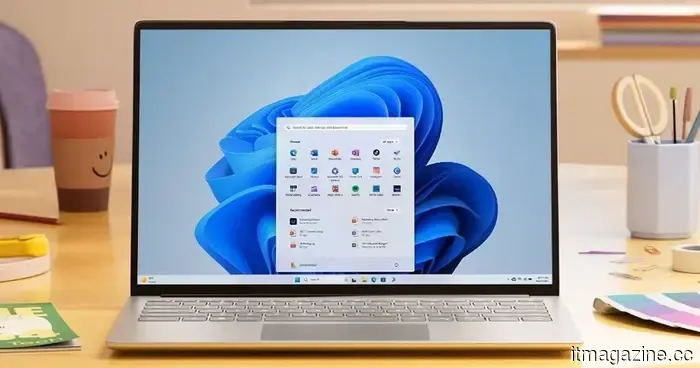
Windows may finally address one of its most frustrating setup issues.
Microsoft may allow users to bypass the mandatory account sign-in during the Windows 11 setup
Windows 11 could finally eliminate one of its most annoying features, which is the requirement to sign in with a Microsoft account just to access your own computer. Reports indicate that Microsoft is contemplating the removal of this compulsory Microsoft account sign-in during the Windows 11 setup process, making it easier for users to create a local account.
This initiative appears to be championed by Scott Hanselman, a Microsoft veteran with over twenty years of experience, who is currently the Vice President and Member of Technical Staff. Should this change be implemented, it would represent a significant transformation, particularly given that Microsoft has been tightening restrictions and eliminating workarounds that previously allowed users to avoid the sign-in requirement.
Why is this such a significant issue?
To be frank, not everyone wants their computer connected to the cloud. Currently, setting up a Windows 11 Home or Pro device requires both an internet connection and a Microsoft account, with very few legitimate alternatives. While there are some workarounds available, most users aren’t inclined to use Command Prompt just to access their own device. They shouldn’t have to, either.
For many, this has been a dealbreaker. It complicates the setup process, pushes Microsoft services like OneDrive and Office, and takes away the straightforward option of using a PC offline or with a local account. Even within Microsoft, there is apparent frustration. Senior figures, including Scott Hanselman, have openly expressed their dislike for this requirement and are actively working to resolve it, indicating that this issue extends beyond user complaints to internal dissent as well.
Is Microsoft reevaluating its overall Windows strategy?
If this proposal is approved, setting up a Windows 11 PC could become significantly more user-friendly. Instead of being compelled to sign in, users might finally have a straightforward option to create a local account from the outset, eliminating the need for workarounds. Microsoft is also aiming to streamline the overall setup process by reducing unnecessary steps and prompts, which suggests a shift toward granting users more authority rather than driving them into its ecosystem.
In addition to this potential change, Microsoft has been focusing on making Windows less intrusive and more user-friendly. Efforts include bringing back a movable taskbar, optimizing performance for systems with 8GB of RAM to compete with Apple’s MacBook Neo, and reconsidering the extent of Copilot AI’s integration into the OS. Collectively, it seems that the company is starting to listen more, focusing less on enforcing features and more on enhancing the overall user experience.
Varun is a seasoned technology journalist and editor with more than eight years of experience in consumer tech media. His work encompasses…
Research shows that AI summaries are more effective for learning, even if they can sway opinions
Researchers at Yale discovered that AI-generated summaries serve as better educators compared to those created by humans, although there is a caveat.
Nowadays, most of us obtain information through AI chatbots and search engines. Even Google presents an AI summary first before directing us to the sources of its compiled answers. A new study from Yale aims to determine whether reading AI-created summaries of historical events enhances learning compared to human-written ones.
Watch this remarkable moonwalking humanoid robot display its lifelike agility
A recent video from South Korea showcases the impressive demonstration and interaction capabilities of KAIST Humanoid v0.7, developed at the Korea Advanced Institute of Science and Technology (KAIST). The remarkable humanoid robot was created at KAIST's Dynamic Robot Control & Design Laboratory (DRCD) and employs actuators and innovative technology developed in-house.
Why does DLSS 5 provoke mixed feelings among users, even though they'll likely come to appreciate it?
The practice of upscaling, or reconstructing frames for video games in real time, is a contentious topic. Purists object to it, whereas users with less powerful gaming systems welcome the added fluidity. Companies like NVIDIA, AMD, and Intel utilize this technology. However, chaos ensued when Nvidia revealed its latest iteration of super-sampling technology, largely due to the overly AI-enhanced appearance of visuals, particularly in human faces.




Other articles
 Air Street Capital's $232 million fund is now the largest solo GP raise in Europe.
Nathan Benaich's Air Street Capital has successfully closed a $232 million Fund III, marking it as the largest solo GP venture fund ever raised in Europe.
Air Street Capital's $232 million fund is now the largest solo GP raise in Europe.
Nathan Benaich's Air Street Capital has successfully closed a $232 million Fund III, marking it as the largest solo GP venture fund ever raised in Europe.
.jpg) Why many people dislike NVIDIA DLSS 5 (but will come to appreciate it in the future)
DLSS 5: from “next-gen wonder” to “wayward makeup filter.” Disliked now, but unavoidable in the future, as AI understands that vibes are just as important as pixels.
Why many people dislike NVIDIA DLSS 5 (but will come to appreciate it in the future)
DLSS 5: from “next-gen wonder” to “wayward makeup filter.” Disliked now, but unavoidable in the future, as AI understands that vibes are just as important as pixels.
 The future of Windows may feature a reduction in advertisements and distracting upsell promotions.
Microsoft might be finally tackling one of the most irritating aspects of Windows 11: the incessant ads and promotional offers. Scott Hanselman, a key engineering figure driving the new Windows improvements, mentioned that the company is striving to create a more “calm and relaxed OS with fewer upsells.” [...]
The future of Windows may feature a reduction in advertisements and distracting upsell promotions.
Microsoft might be finally tackling one of the most irritating aspects of Windows 11: the incessant ads and promotional offers. Scott Hanselman, a key engineering figure driving the new Windows improvements, mentioned that the company is striving to create a more “calm and relaxed OS with fewer upsells.” [...]
.jpg) Why many people dislike NVIDIA DLSS 5 (but will eventually come to appreciate it)
DLSS 5: transforming from “next-gen magic” into a “makeup filter gone wrong.” Disliked now, but unavoidable in the future, as AI understands that aesthetics are just as important as pixels.
Why many people dislike NVIDIA DLSS 5 (but will eventually come to appreciate it)
DLSS 5: transforming from “next-gen magic” into a “makeup filter gone wrong.” Disliked now, but unavoidable in the future, as AI understands that aesthetics are just as important as pixels.
.jpg) Why many dislike NVIDIA DLSS 5 (but will eventually appreciate it)
DLSS 5: transforming from “next-gen sorcery” to “makeup filter gone haywire.” Disliked now, but destined to be embraced in the future, as AI recognizes that aesthetics are just as crucial as pixels.
Why many dislike NVIDIA DLSS 5 (but will eventually appreciate it)
DLSS 5: transforming from “next-gen sorcery” to “makeup filter gone haywire.” Disliked now, but destined to be embraced in the future, as AI recognizes that aesthetics are just as crucial as pixels.
 Air Street Capital's $232 million fund has become the largest solo GP fundraising effort in Europe.
Nathan Benaich's Air Street Capital has successfully closed a $232 million Fund III, marking it as the largest venture fund ever raised in Europe by a solo GP.
Air Street Capital's $232 million fund has become the largest solo GP fundraising effort in Europe.
Nathan Benaich's Air Street Capital has successfully closed a $232 million Fund III, marking it as the largest venture fund ever raised in Europe by a solo GP.
Windows may finally address one of its most frustrating setup issues.
Microsoft might eliminate the requirement for a mandatory Microsoft account sign-in during the setup of Windows 11, a regulation that has faced considerable criticism for new PCs.