
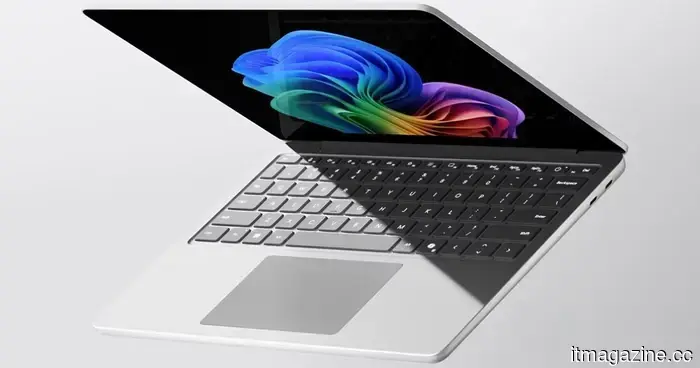
The future of Windows may feature a reduction in advertisements and distracting upsell prompts.
Microsoft is taking steps to make the OS “calmer” with fewer upsells and distractions.
Microsoft is reportedly addressing a major annoyance of Windows 11: the incessant ads and upselling. Scott Hanselman, one of the engineering leaders behind the upcoming Windows improvements, stated that the goal is to create a more “calm and chill OS with fewer upsells,” particularly in areas like the Start menu and system prompts.
This initiative follows years of user complaints about being steered toward services such as Edge, OneDrive, Microsoft 365, and even Copilot, often unexpectedly.
Why is Microsoft scaling back on ads?
Windows 11 has increasingly been a platform that not only runs applications but also promotes them. From Start menu suggestions to prompts during setup and fullscreen nudges, Microsoft has been quite aggressive in pushing its own ecosystem. Even those within the company have acknowledged this situation. The aim for a “calmer” experience signals an admission that Windows has become overly cluttered and needs to be revised.
That being said, don’t anticipate a complete removal of ads. The objective seems to be minimizing clutter rather than eliminating it altogether.
What changes might we see?
The primary change is straightforward: Windows will aim to sell you fewer products. Microsoft intends to cut down on promotions across the Start menu and the OS while also enhancing performance, tidying up the user interface, and reducing unnecessary prompts to create a smoother and less intrusive experience.
In addition to these updates, Microsoft is also considering other user-friendly modifications, such as potentially eliminating the requirement for a Microsoft account sign-in during setup, reinstating a movable taskbar, optimizing Windows 11 to run more efficiently on 8GB of RAM to compete with devices like the MacBook Neo, and re-evaluating the aggressive integration of Copilot AI into the OS. Collectively, this suggests that Microsoft is putting greater emphasis on enhancing the core experience instead of pushing its services.
Varun is a seasoned technology journalist and editor with over eight years of experience in consumer tech media. His work covers…
Research indicates that AI-generated summaries are more effective for learning, even if they might alter personal opinions.
Yale researchers discovered that AI-created summaries are more effective educators than those authored by humans, but there’s a catch.
Today, many of us access information through AI chatbots and search engines. Even Google presents an AI-generated summary first before directing us to the sources used for the answers. A recent study from Yale suggests that while AI-generated responses are quick, convenient, and easy to understand, they can also sway our opinions. Daniel Karell, an assistant professor of sociology at Yale, and his team set out to determine if reading AI-generated summaries of historical events led to better learning compared to reading those written by humans.
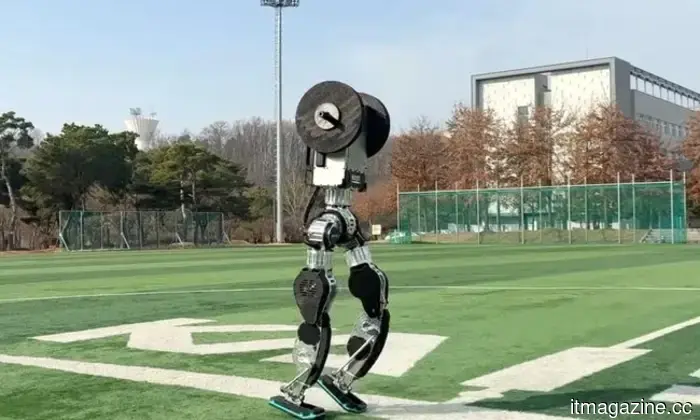
Watch this moonwalking humanoid robot impress with its lifelike agility.
KAIST, South Korea, has released a video showcasing a robot with remarkable human-like movements.
A new video features the field tests and interaction capabilities of KAIST Humanoid v0.7, developed at the Korea Advanced Institute of Science and Technology (KAIST). This impressive humanoid robot was created at KAIST’s Dynamic Robot Control & Design Laboratory (DRCD) and utilizes actuators and technologies developed in-house.
Why is NVIDIA DLSS 5 facing criticism, yet will eventually gain approval?
From "GPT Moment" to 2D filters, here’s why DLSS 5 is currently the internet’s target for criticism.
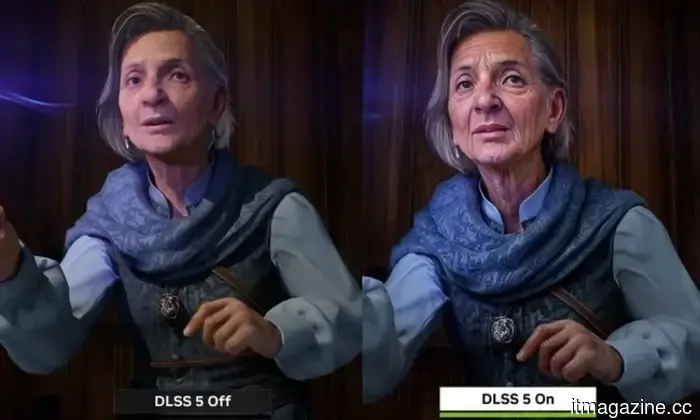
Upscaling, or reconstructing frames for video games in real-time, is a divisive topic. Purists object to the practice, while users with lower or mid-tier gaming systems appreciate the added fluidity. NVIDIA, AMD, and Intel all employ this technique. However, chaos erupted when NVIDIA announced its latest iteration of super-sampling technology, largely due to the overly AI-stylized appearance of visuals, particularly human faces.
DLSS 5 Off (left) vs. DLSS 5 On (right)



Other articles
 Air Street Capital's $232 million fund has become the largest solo GP fundraising effort in Europe.
Nathan Benaich's Air Street Capital has successfully closed a $232 million Fund III, marking it as the largest venture fund ever raised in Europe by a solo GP.
Air Street Capital's $232 million fund has become the largest solo GP fundraising effort in Europe.
Nathan Benaich's Air Street Capital has successfully closed a $232 million Fund III, marking it as the largest venture fund ever raised in Europe by a solo GP.
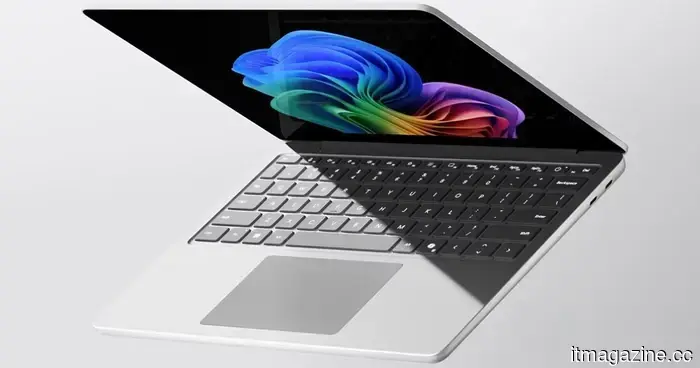 The future of Windows might feature a reduction in ads and distracting upsell prompts.
Microsoft might finally be tackling one of the most annoying aspects of Windows 11: the persistent ads and upselling. As per Scott Hanselman, one of the engineering leaders driving the new updates, the company is currently focused on transforming Windows 11 into a more “tranquil and relaxed OS with fewer upselling efforts.” [...]
The future of Windows might feature a reduction in ads and distracting upsell prompts.
Microsoft might finally be tackling one of the most annoying aspects of Windows 11: the persistent ads and upselling. As per Scott Hanselman, one of the engineering leaders driving the new updates, the company is currently focused on transforming Windows 11 into a more “tranquil and relaxed OS with fewer upselling efforts.” [...]
 Air Street Capital's $232 million fund is now the largest solo GP raise in Europe.
Nathan Benaich's Air Street Capital has successfully closed a $232 million Fund III, marking it as the largest solo GP venture fund ever raised in Europe.
Air Street Capital's $232 million fund is now the largest solo GP raise in Europe.
Nathan Benaich's Air Street Capital has successfully closed a $232 million Fund III, marking it as the largest solo GP venture fund ever raised in Europe.
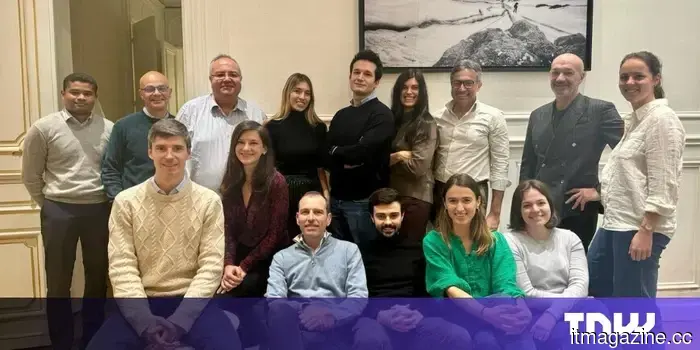 360 Capital secures €85 million for its deeptech fund.
360 Capital has secured €85 million for a new deeptech fund supported by a European defense contractor, marking the latest indication of defense capital being directed into venture capital.
360 Capital secures €85 million for its deeptech fund.
360 Capital has secured €85 million for a new deeptech fund supported by a European defense contractor, marking the latest indication of defense capital being directed into venture capital.
.jpg) Why many people dislike NVIDIA DLSS 5 (but will eventually come to appreciate it)
DLSS 5: transforming from “next-gen magic” into a “makeup filter gone wrong.” Disliked now, but unavoidable in the future, as AI understands that aesthetics are just as important as pixels.
Why many people dislike NVIDIA DLSS 5 (but will eventually come to appreciate it)
DLSS 5: transforming from “next-gen magic” into a “makeup filter gone wrong.” Disliked now, but unavoidable in the future, as AI understands that aesthetics are just as important as pixels.
.jpg) Why many people dislike NVIDIA DLSS 5 (but will come to appreciate it in the future)
DLSS 5: from “next-gen wonder” to “wayward makeup filter.” Disliked now, but unavoidable in the future, as AI understands that vibes are just as important as pixels.
Why many people dislike NVIDIA DLSS 5 (but will come to appreciate it in the future)
DLSS 5: from “next-gen wonder” to “wayward makeup filter.” Disliked now, but unavoidable in the future, as AI understands that vibes are just as important as pixels.
The future of Windows may feature a reduction in advertisements and distracting upsell prompts.
Microsoft might be taking steps to tackle one of the most annoying aspects of Windows 11: the ongoing ads and upsells. Scott Hanselman, a key engineering figure behind the new Windows improvements, mentioned that the company is aiming to create a version of Windows 11 that is “calmer and more relaxed with fewer upsells.”