
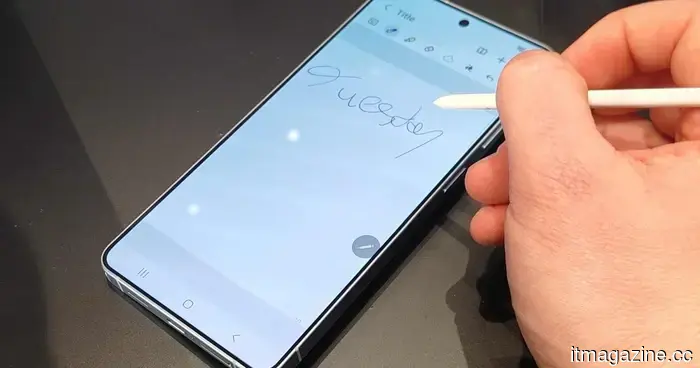
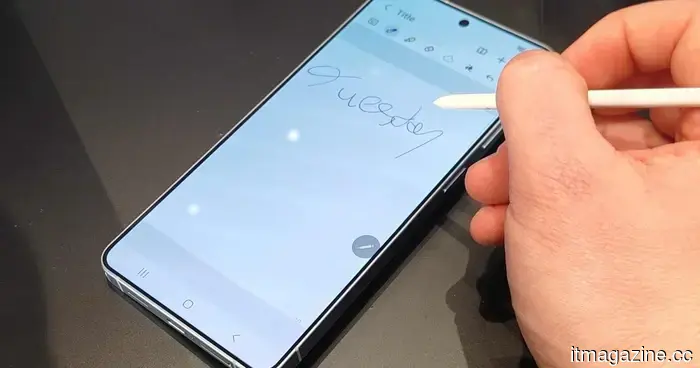
The Galaxy S27 Ultra might not see significant improvements to the S Pen, even with Samsung's continued efforts.
A recent report indicates that Samsung has delayed the anticipated upgrades for the S Pen associated with the Galaxy S27 Ultra.
Samsung's S Pen has been a key characteristic of its Ultra series for many years. Nonetheless, recent models have seen the removal of some advanced features, transitioning the stylus from an active tool to a simpler writing instrument. Earlier this year, it was reported that Samsung aimed to adopt new technology for future S Pens that could restore some of those features, but a new report suggests these enhancements may not debut with the Galaxy S27 Ultra.
Why is Samsung maintaining the current S Pen technology?
As per ETNews, Samsung experimented with a new stylus system for the Galaxy S27 Ultra but ultimately opted against implementing it. The company considered alternatives to its established Electromagnetic Resonance (EMR) system, which necessitates a digitizer layer within the display.
The alternative involved an Active Electrostatic (AES) system, which eliminates the digitizer requirement and transfers the power needs to the stylus itself. This would involve adding a battery to the S Pen, resulting in a bulkier design.
Samsung reportedly developed a hybrid solution that merges the advantages of both systems while removing the necessity for a battery and a digitizer. However, the new technology seems to have been postponed, and the report does not specify the reasons for this decision.
Consequently, the Galaxy S27 Ultra is expected to retain the current S Pen configuration, favoring dependability over new technological improvements and advanced features.
What implications does this have for future S Pen enhancements?
This choice indicates that Samsung is not prepared to implement significant changes to one of the most iconic features of its flagship smartphone hastily. The S Pen remains intricately linked to the Ultra models, and any reduction in usability could alienate loyal users.
Simultaneously, the company is evidently still developing next-generation stylus technologies. The aim seems to be achieving a thinner device without compromising the S Pen experience, a challenge that has proven to be substantial thus far. Therefore, while meaningful upgrades for the S Pen may still be forthcoming, they are unlikely to materialize with the Galaxy S27 Ultra.
---
Pranob is an experienced tech journalist with over eight years of expertise in consumer technology coverage. His work has been...
Apple is officially moving towards monetization in Apple Maps, mirroring a strategy similar to Google Maps, which could transform how a billion users discover, navigate, and make purchases within the app.
Apple has officially decided to incorporate advertisements into Apple Maps, allowing businesses the ability to purchase visual placements in the app's search results. Currently, Apple’s services division earns over $100 billion annually, and monetizing Maps seems to be the next rational step. The application is utilized by millions across iPhones, Apple Watches, and CarPlay dashboards, making it an ideal platform for targeted advertising.
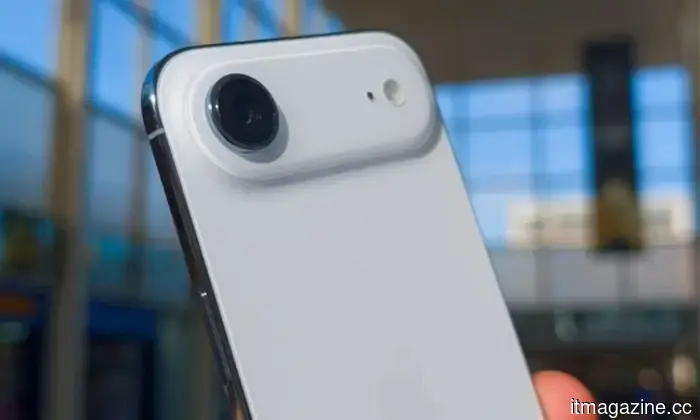
The iPhone Air is reportedly outselling both the Plus and Samsung’s thin phone, achieving a 3-to-1 lead.
My favorite recent iPhone was the iPhone 13 Mini, which addressed the battery issues of the iPhone 12 Mini while maintaining a one-handed design. Unfortunately, it did not achieve sufficient sales, leading Apple to discontinue it in favor of a Plus model. The Plus model also struggled to capture consumer interest, which led to its quiet discontinuation last year, being replaced by the sleeker iPhone Air. Early reports indicated that the iPhone Air was underperforming and viewed as another flop, but new data from Ookla’s Speedtest Intelligence suggests those claims may have been exaggerated.
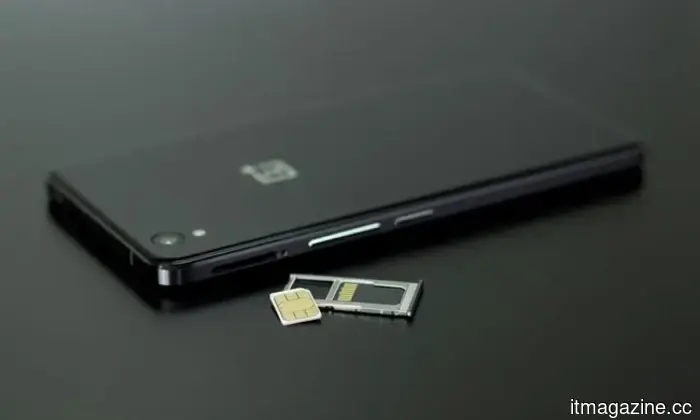
The ongoing memory crisis could lead to a revival of expandable storage in smartphones.
As smartphone prices continue to rise, expandable storage might emerge as a viable solution. The current memory shortage is beginning to affect smartphone manufacturers, and consumers are already experiencing the consequences through increased prices and specifications. Recent reports indicate that high-end RAM and storage configurations have now become costlier than even flagship processors, leading to significant changes in smartphone construction. Traditionally, the processor was the most expensive element, but now, memory appears to be taking that top spot.

Other articles
 IRONSCALES introduces AI email agents and threat intelligence at RSAC.
At RSAC 2026, IRONSCALES introduces three AI email security agents and launches a new threat intelligence series aimed at addressing the rise in AI-driven phishing attacks.
IRONSCALES introduces AI email agents and threat intelligence at RSAC.
At RSAC 2026, IRONSCALES introduces three AI email security agents and launches a new threat intelligence series aimed at addressing the rise in AI-driven phishing attacks.
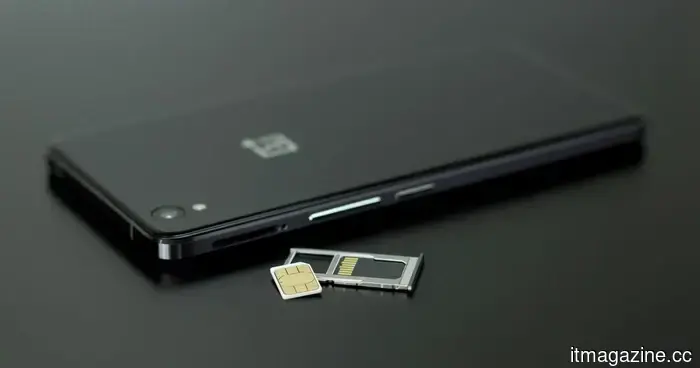 The memory crisis could lead to the reintroduction of expandable storage in smartphones.
With the rise in prices for RAM and storage, smartphone manufacturers might consider hybrid storage options such as microSD cards to manage expenses.
The memory crisis could lead to the reintroduction of expandable storage in smartphones.
With the rise in prices for RAM and storage, smartphone manufacturers might consider hybrid storage options such as microSD cards to manage expenses.
 Researchers have shown that wireless communication can occur underground, even when passing through solid rock.
Korean researchers achieved the successful transmission of voice signals 100 meters underground through the use of magnetic fields, marking a global first that has the potential to revolutionize rescue operations and communication in subterranean environments.
Researchers have shown that wireless communication can occur underground, even when passing through solid rock.
Korean researchers achieved the successful transmission of voice signals 100 meters underground through the use of magnetic fields, marking a global first that has the potential to revolutionize rescue operations and communication in subterranean environments.
 Munich-based startup Interloom secured $16.5 million in funding.
Munich-based startup Interloom has secured $16.5 million in funding, spearheaded by DN Capital, to develop a system that continuously updates the way organizations make operational decisions.
Munich-based startup Interloom secured $16.5 million in funding.
Munich-based startup Interloom has secured $16.5 million in funding, spearheaded by DN Capital, to develop a system that continuously updates the way organizations make operational decisions.
 Credo Ventures completes $88M fifth fund to continue being the initial investment for Central and Eastern Europe's most ambitious entrepreneurs.
The firm from Prague and Krakow, which made its initial investments in UiPath and ElevenLabs, is intensifying its focus on pre-seed funding in Central and Eastern Europe as well as among its global diaspora. The team consists of six partners, and they typically write checks ranging from $1 to $5 million. Credo Ventures has finalized its funding round.
Credo Ventures completes $88M fifth fund to continue being the initial investment for Central and Eastern Europe's most ambitious entrepreneurs.
The firm from Prague and Krakow, which made its initial investments in UiPath and ElevenLabs, is intensifying its focus on pre-seed funding in Central and Eastern Europe as well as among its global diaspora. The team consists of six partners, and they typically write checks ranging from $1 to $5 million. Credo Ventures has finalized its funding round.
 The Munich-based startup Interloom has secured $16.5 million in funding.
Munich-based startup Interloom has secured $16.5 million in a round led by DN Capital, aimed at developing a system that continuously tracks how businesses make operational decisions.
The Munich-based startup Interloom has secured $16.5 million in funding.
Munich-based startup Interloom has secured $16.5 million in a round led by DN Capital, aimed at developing a system that continuously tracks how businesses make operational decisions.
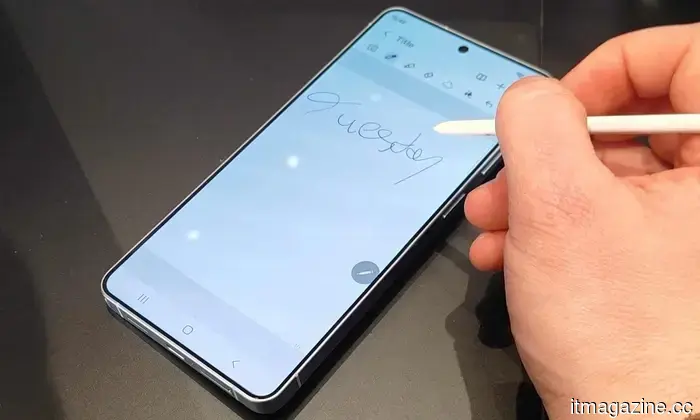
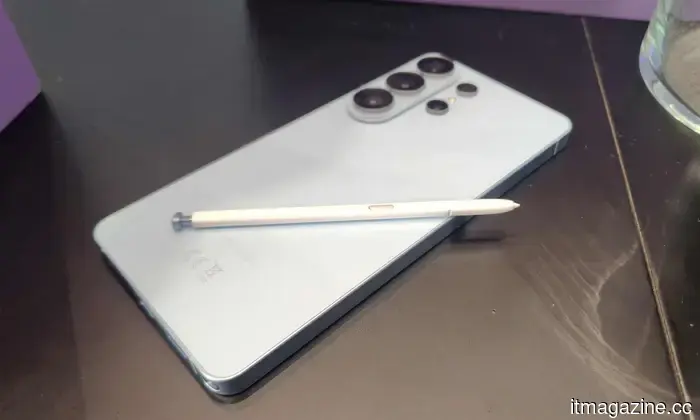
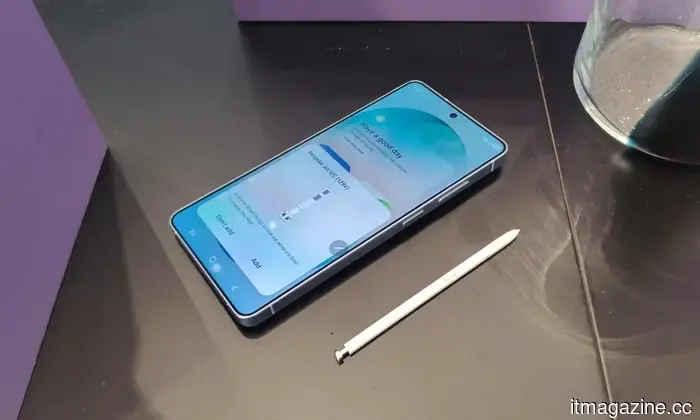
The Galaxy S27 Ultra might not see significant improvements to the S Pen, even with Samsung's continued efforts.
Samsung is said to be developing its next-generation S Pen technology, but a recent report indicates it might not be included with the Galaxy S27 Ultra.