
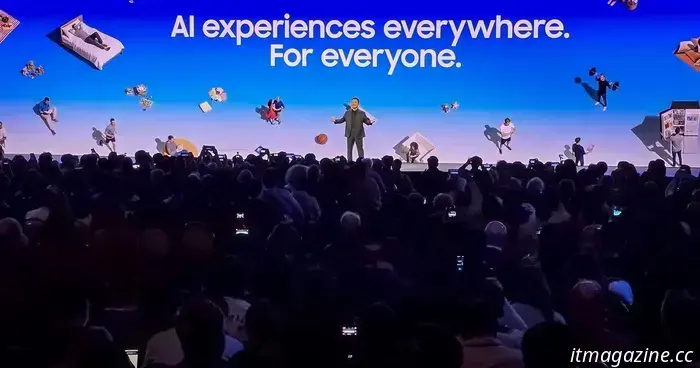
There’s no way to avoid Samsung’s AI, but I’m fine with it.
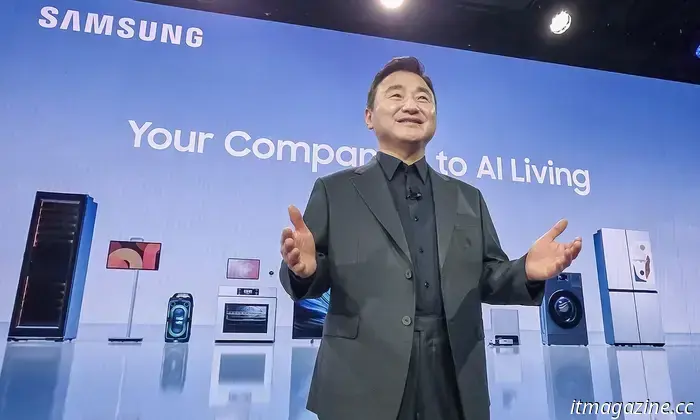
“We will incorporate AI into every category, product, and service to create a cohesive and unified AI experience,” said TM Roh, the CEO of Samsung, during the firm’s CES 2026 press conference. In essence, if you choose a Samsung product, you will encounter its AI.
From smartphones and tablets to televisions, smart devices, and home appliances, Samsung is committed to ensuring AI is available when needed.
This may seem excessive. Do we really need an AI-powered oven, washer/dryer, and refrigerator?
I had my doubts, but as the press conference progressed, I began to appreciate this all-encompassing strategy.
For AI to be genuinely valuable, it needs to be ubiquitous.
AI's functionality, when isolated on a device, is limited by its capabilities. Samsung's AI-enabled smart refrigerators can track the produce you put in and remove, providing a basic inventory check; however, they can currently only recognize a limited range of food items.
On a positive note, Samsung has partnered with Google to integrate Gemini into its food-checking AI, enabling its refrigerators to identify a broader selection of products and even read labels.
This will help you monitor what you have and enhance Bixby AI’s ability to suggest recipes based on the ingredients in your fridge.
Nevertheless, Samsung’s vision of having all its products utilize the same AI system that can communicate with one another elevates this integration significantly.
From health tracking to meal planning
With AI on Galaxy phones and watches, your health and exercise data can inform the AI's responses.
For instance, if you ask your refrigerator for meal suggestions based on your ingredients, the AI can consider your diabetes and recent workout (using data from Samsung Health gathered through your wearable) to provide the best recovery recipes.
It can even send a command to the oven to preheat while displaying step-by-step cooking instructions on the refrigerator’s screen.
The capability of AI to gather and interpret information from multiple sources without needing extra prompts or repetitive steps is precisely how it should function. The process should be seamless, requiring no multiple commands or ongoing user interaction.
Achieving this requires AI to be integrated into all our devices. It may seem like a drastic approach, but it is logical.
Goaaaallllll… or silence
Samsung also unveiled new audio and gaming statistics AI features for its TVs just in time for the upcoming FIFA World Cup.
While watching a World Cup soccer match on specific Samsung TVs, viewers can ask Bixby AI to mute the commentators, allowing them to experience the game with just the crowd noise, reminiscent of being at the stadium.
On the flip side, you can choose to mute the crowd noise for clearer commentary.
If you want more information about the game, asking the AI “who will win today” will prompt it to compile stats and details from across the internet to provide insights.
As an avid soccer fan, I am eager to test these features, especially during games where I might not be fond of the announcing team chosen by the network.
Your companion in AI living
Samsung ships 500 million devices annually, so it won't be long before its AI-enabled devices comprise the majority of its active portfolio worldwide.
However, as AI becomes increasingly integrated into our lives, gaining a better understanding of us and accessing more of our personal and sensitive information, concerns about trust arise.
As TM Roh concluded the press conference, he emphasized the necessity of building consumer trust, asserting that "privacy and security need to be fundamental aspects of our AI design." It’s now up to you to decide if Samsung has done enough to earn your trust before you embrace AI in every device within your home.
Samsung also showcased its massive 130-inch Micro RGB TV during the keynote and gave another presentation of its recently announced Music Studio speakers.
Другие статьи
 This TCL NXTPAPER Android smartphone transforms into an e-reader to give your eyes a rest.
TCL's newest NxtPaper devices merge the characteristics of smartphones, tablets, and e-readers while maintaining color and adaptability.
This TCL NXTPAPER Android smartphone transforms into an e-reader to give your eyes a rest.
TCL's newest NxtPaper devices merge the characteristics of smartphones, tablets, and e-readers while maintaining color and adaptability.
 You could avoid a higher price for the Galaxy S26... if you're in the United States.
If you're considering an upgrade to the Galaxy S26 in the US, you may want to appreciate the timing, tariffs, and Samsung's market strategy, as prices could have been significantly higher.
You could avoid a higher price for the Galaxy S26... if you're in the United States.
If you're considering an upgrade to the Galaxy S26 in the US, you may want to appreciate the timing, tariffs, and Samsung's market strategy, as prices could have been significantly higher.
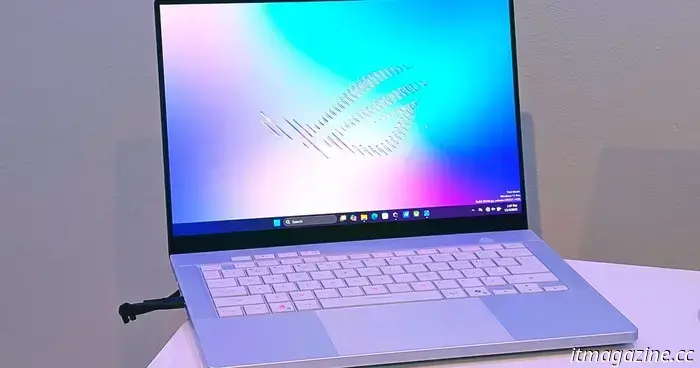 My preferred AMD gaming laptop has now transitioned to Intel, and I'm feeling concerned.
At CES 2026, Asus introduces the new Asus Zephyrus G14, which has been renowned for its AMD power – until now. I’m quite curious and concerned.
My preferred AMD gaming laptop has now transitioned to Intel, and I'm feeling concerned.
At CES 2026, Asus introduces the new Asus Zephyrus G14, which has been renowned for its AMD power – until now. I’m quite curious and concerned.
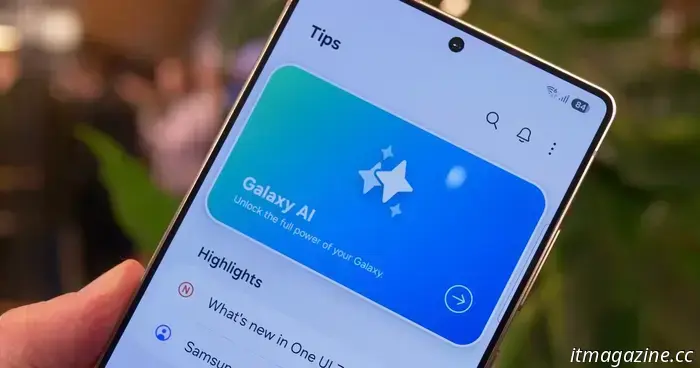 Samsung aims to integrate AI into nearly all of your devices.
Samsung plans to expand Galaxy AI to 800 million devices by 2026, enhancing its collaboration with Google’s Gemini as it competes against Apple and Chinese competitors in the AI landscape.
Samsung aims to integrate AI into nearly all of your devices.
Samsung plans to expand Galaxy AI to 800 million devices by 2026, enhancing its collaboration with Google’s Gemini as it competes against Apple and Chinese competitors in the AI landscape.
 Save $500 on a 4K laser UST projector designed for a tidy living room arrangement.
If you've considered a "big screen at home" configuration but prefer not to attach a projector to the ceiling or trail wires across the room, this type of discount makes an ultra short-throw model seem feasible. The Epson Lifestudio Grand 4K PRO-UHD ultra short throw smart laser projector […]
Save $500 on a 4K laser UST projector designed for a tidy living room arrangement.
If you've considered a "big screen at home" configuration but prefer not to attach a projector to the ceiling or trail wires across the room, this type of discount makes an ultra short-throw model seem feasible. The Epson Lifestudio Grand 4K PRO-UHD ultra short throw smart laser projector […]
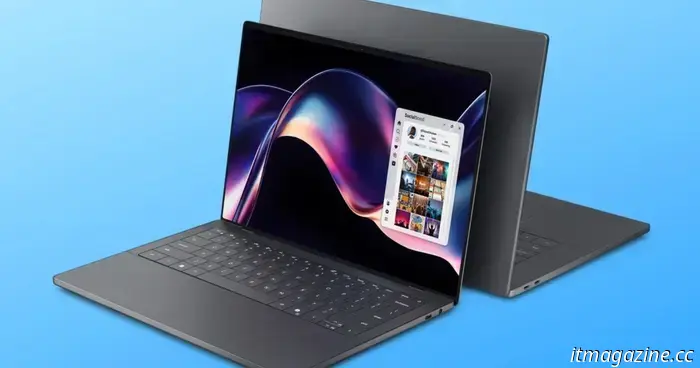 Dell reintroduces the XPS laptop, and this time, it’s truly impressive.
The updated 14-inch and 16-inch XPS laptops feature a Tandem OLED display, Intel's Panther Lake processors, and provide the longest battery life in the lineup to date.
Dell reintroduces the XPS laptop, and this time, it’s truly impressive.
The updated 14-inch and 16-inch XPS laptops feature a Tandem OLED display, Intel's Panther Lake processors, and provide the longest battery life in the lineup to date.
There’s no way to avoid Samsung’s AI, but I’m fine with it.
AI was the central focus of Samsung's press conference at CES 2026.