
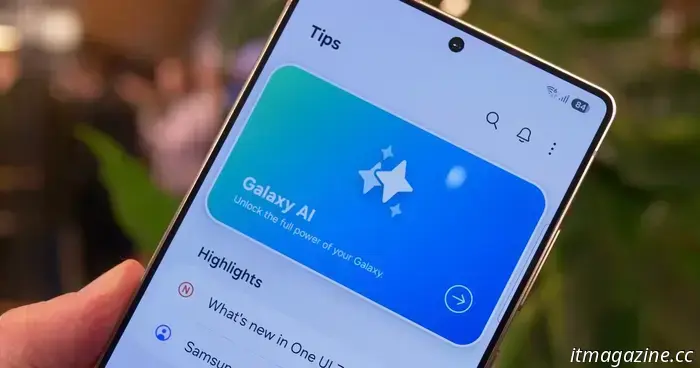
Samsung aims to integrate AI into nearly all of your devices.
Samsung intensifies its Galaxy AI initiative with enhanced Gemini integration
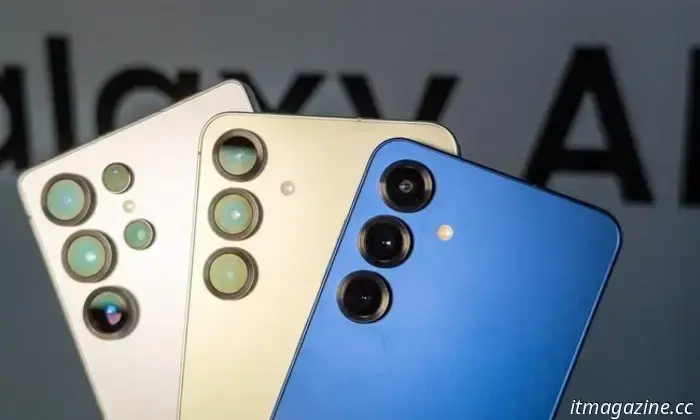
Samsung is making a significant commitment to artificial intelligence, with its new co-CEO setting an ambitious goal: to increase the number of Galaxy AI-enabled devices to 800 million by 2026. This bold expansion is more than just about numbers; it’s a strategic maneuver to reclaim the global smartphone leadership and strengthen its alliance with Google as the competition in AI intensifies.
In his first notable interview since assuming the co-CEO position in November, TM Roh informed Reuters that Samsung aims to incorporate AI into “every product and service” the company provides. Last year, Samsung successfully integrated Galaxy AI into approximately 400 million devices. With the goal of reaching 800 million, they are effectively establishing a vast global platform for Google’s Gemini models, targeting nearly a billion users.
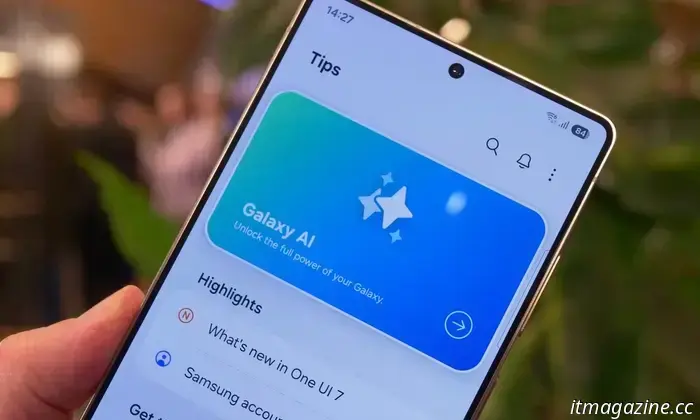
“Galaxy AI” encompasses a variety of tools designed for photo editing, real-time call translation, and summarizing lengthy documents. Roh mentioned that public awareness of these AI features has surged from 30% to 80% within just a year. People are transitioning from merely hearing about AI to actively incorporating it into their everyday routines.
This initiative is not occurring in isolation
Samsung is under pressure from Apple, which is closely competing for the title of the world’s leading smartphone manufacturer. Simultaneously, Chinese brands are inundating the market with high-spec, affordable devices. By heavily investing in AI, Samsung aims to provide offerings that its competitors cannot easily replicate on a large scale.
Furthermore, this positions Samsung as a key player in the rivalry between Google and OpenAI. Being the largest entity in the Android ecosystem, Samsung's extensive reach gives Google a significant distribution advantage. Reports suggest OpenAI entered a “code red” phase upon the launch of Google’s Gemini 3 alongside Samsung’s ambitious plans.
However, challenges remain
Interestingly, while the global memory chip shortage has proven lucrative for Samsung's semiconductor division, it has also increased the costs of manufacturing smartphones. Roh acknowledged that price increases might be on the way, although they are exploring ways to manage costs to limit impacts on consumers.
Looking ahead, Samsung believes that the combination of AI and its lead in foldable phones will retain customers. Although foldables have had a slow adoption rate, Roh pointed out that once users transition to a foldable device, they typically do not revert to traditional flat phones. For Samsung, the strategy is straightforward: make AI so indispensable that a Galaxy phone becomes the essential access point to the future of the internet.



Other articles
 Samsung Galaxy Book6 laptops feature Intel Ultra 3 series processors and aim to compete with MacBooks.
Offered in three tiers, the Galaxy Book6 Pro and Ultra models feature 120Hz Dynamic AMOLED 2X screens with a peak brightness of 1,000 nits, along with the benefits of Galaxy AI and cross-device ecosystem integration.
Samsung Galaxy Book6 laptops feature Intel Ultra 3 series processors and aim to compete with MacBooks.
Offered in three tiers, the Galaxy Book6 Pro and Ultra models feature 120Hz Dynamic AMOLED 2X screens with a peak brightness of 1,000 nits, along with the benefits of Galaxy AI and cross-device ecosystem integration.
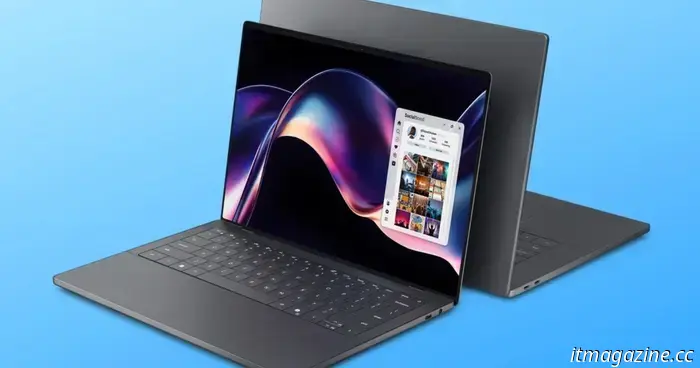 Dell reintroduces the XPS laptop, and this time, it’s truly impressive.
The updated 14-inch and 16-inch XPS laptops feature a Tandem OLED display, Intel's Panther Lake processors, and provide the longest battery life in the lineup to date.
Dell reintroduces the XPS laptop, and this time, it’s truly impressive.
The updated 14-inch and 16-inch XPS laptops feature a Tandem OLED display, Intel's Panther Lake processors, and provide the longest battery life in the lineup to date.
 TCL introduces the X11L SQD-Mini LED TV to confront the influx of RGB LED televisions.
The TCL X11L SQD-Mini LED TVs, which begin at a price of $6,999, offer extremely sharp images, accurate colors, rich blacks, and impressive brightness in a 0.8-inch cabinet.
TCL introduces the X11L SQD-Mini LED TV to confront the influx of RGB LED televisions.
The TCL X11L SQD-Mini LED TVs, which begin at a price of $6,999, offer extremely sharp images, accurate colors, rich blacks, and impressive brightness in a 0.8-inch cabinet.
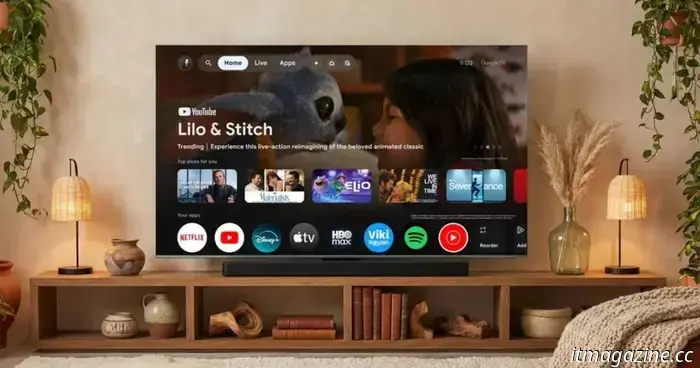 Gemini will allow you to adjust Google TV settings using voice commands.
Gemini is expanding its role on Google TV, introducing visually rich answers, photo remix features, and straightforward voice commands to modify settings without the need to navigate through menus.
Gemini will allow you to adjust Google TV settings using voice commands.
Gemini is expanding its role on Google TV, introducing visually rich answers, photo remix features, and straightforward voice commands to modify settings without the need to navigate through menus.
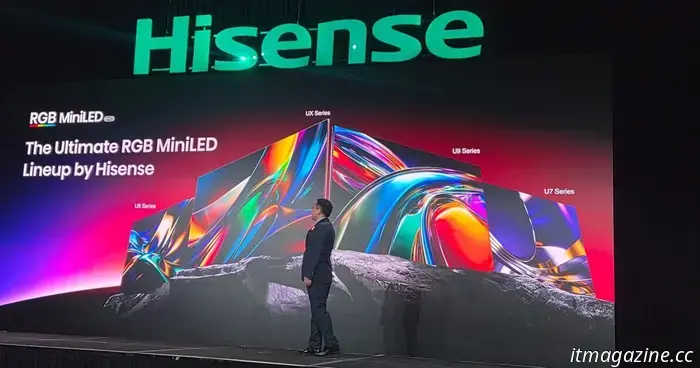 All the events that took place during Hisense's CES 2026 launch.
CES 2026 Check out our full coverage of CES here Updated just under 17 minutes ago That concludes Hisense’s CES 2026 press conference… it was brief and featured significant discussion on color, along with some insights into Hisense's future direction. You can find all the details in the posts […]
All the events that took place during Hisense's CES 2026 launch.
CES 2026 Check out our full coverage of CES here Updated just under 17 minutes ago That concludes Hisense’s CES 2026 press conference… it was brief and featured significant discussion on color, along with some insights into Hisense's future direction. You can find all the details in the posts […]
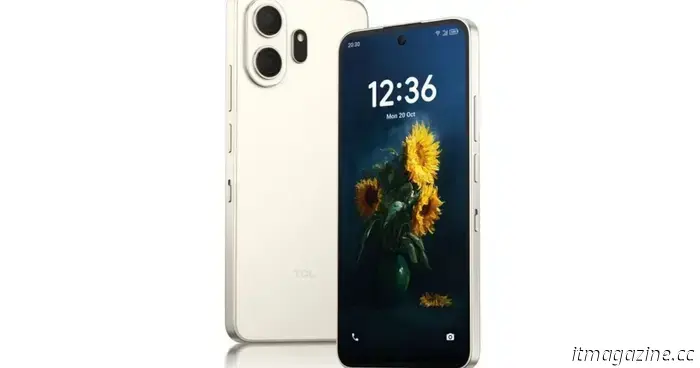 This TCL NXTPAPER Android smartphone transforms into an e-reader to give your eyes a rest.
TCL's newest NxtPaper devices merge the characteristics of smartphones, tablets, and e-readers while maintaining color and adaptability.
This TCL NXTPAPER Android smartphone transforms into an e-reader to give your eyes a rest.
TCL's newest NxtPaper devices merge the characteristics of smartphones, tablets, and e-readers while maintaining color and adaptability.
Samsung aims to integrate AI into nearly all of your devices.
Samsung plans to expand Galaxy AI to 800 million devices by 2026, enhancing its collaboration with Google’s Gemini as it competes against Apple and Chinese competitors in the AI landscape.