
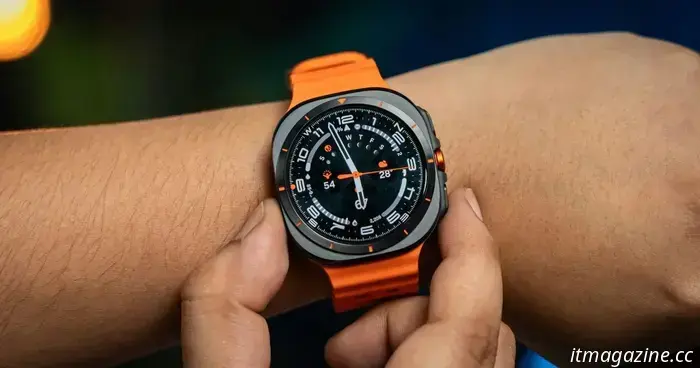
Here's how Samsung intends to monitor brain health with your devices.
At CES 2026, Samsung is unveiling its latest health initiative, known as Brain Health. While its watches already monitor heart rates and sleep patterns, Samsung is now venturing into the realm of cognitive health. This new feature serves not merely as a mental fitness tracker but as a sophisticated early-warning system designed to identify the subtle, often imperceptible signs of dementia well before they become apparent to healthcare professionals.
The fundamental concept behind "Brain Health" aims to transform everyday devices into powerful diagnostic tools. Rather than necessitating a brain scan or extensive clinical assessments, the system observes "digital biomarkers" – the minute alterations in our movement, speech, and sleep that could indicate cognitive decline.
Samsung's approach is grounded in research suggesting that changes in the brain may commence a decade or more prior to a formal Alzheimer's diagnosis. By incorporating this functionality into the Samsung Health app, the company is betting that continuous passive monitoring can detect these “red flags” much sooner than a typical annual checkup.
So, what exactly does your phone monitor?
The “Brain Health” system gathers data from your Galaxy phone, Watch, and Ring to evaluate three primary aspects:
Gait Patterns: It measures your walking speed and the rhythm of your strides. Adjustments in balance or a decrease in pace can be some of the earliest physical indicators of cognitive difficulties.
Vocal Changes: The AI assesses subtle variations in your voice, including speech fluency, the time it takes to find words, and even the tone or accuracy of your sentences.
Sleep Metrics: In addition to tracking sleep, this feature specifically examines "stability" and quality trends that are often disrupted when the brain begins struggling with memory or processing tasks.
Previous research from Samsung also indicated the potential to monitor typing speed and messaging habits, although it remains uncertain whether these specific “behavioral” parameters will be included in the initial version showcased at Wynn Las Vegas.
Samsung emphasizes that this feature is not a substitute for medical consultation.
Instead, if the system detects a downward trend, it can serve as a guide. It may recommend “preventive measures” or enroll you in a personalized brain training program akin to digital brain games, designed to keep your cognitive skills sharp. In more severe cases, it can also be configured to notify a guardian or caregiver if it senses an emergency or a notable decline.
Recognizing that this might be the most sensitive information a phone can gather, Samsung is placing significant emphasis on its Knox security. The company asserts that all data processing occurs locally on your device, meaning your “brain data” is not uploaded to the cloud or shared with external networks.
Currently, Brain Health is a “showcase” feature. Samsung has completed the in-house development and is now undergoing clinical validation with medical institutions to ensure the AI's accuracy.
If it passes these evaluations and surmounts regulatory challenges, it could significantly impact aging populations. It transforms a smartwatch from a luxury item into an essential piece of medical technology that provides peace of mind – or at the very least, an early warning on a challenging path. More information about a potential rollout for the Galaxy Watch 9 or future S-series phones is anticipated as these clinical trials conclude later this year.
Other articles
 Microsoft will discontinue support for Windows 11 SE in 2026.
Windows 11 SE, Microsoft's education-focused operating system designed for K–8 classrooms, will end support in 2026, requiring schools to either upgrade their devices or change platforms.
Microsoft will discontinue support for Windows 11 SE in 2026.
Windows 11 SE, Microsoft's education-focused operating system designed for K–8 classrooms, will end support in 2026, requiring schools to either upgrade their devices or change platforms.
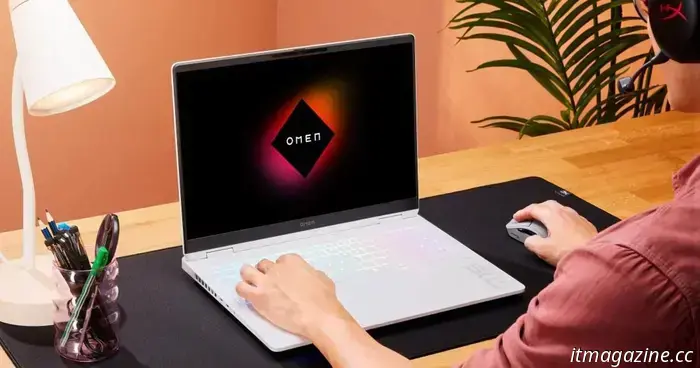 HP's CES 2026 lineup has been leaked, showcasing the EliteBook, OmniBook, and OMEN AI PCs.
Leaked information about HP's plans for CES 2026 reveals a significant focus on AI in their EliteBook business laptops, OmniBook consumer devices, OMEN gaming products, Chromebooks, and accessories.
HP's CES 2026 lineup has been leaked, showcasing the EliteBook, OmniBook, and OMEN AI PCs.
Leaked information about HP's plans for CES 2026 reveals a significant focus on AI in their EliteBook business laptops, OmniBook consumer devices, OMEN gaming products, Chromebooks, and accessories.
 You Inquired: Mini LED versus OLED and tips for saving on smart TVs.
Is Mini LED a better value compared to OLED? In this episode of You Asked, we explore smarter TV purchasing decisions, fundamental aspects of eARC cables, and the latest TV technologies to look out for at CES.
You Inquired: Mini LED versus OLED and tips for saving on smart TVs.
Is Mini LED a better value compared to OLED? In this episode of You Asked, we explore smarter TV purchasing decisions, fundamental aspects of eARC cables, and the latest TV technologies to look out for at CES.
 Seven Chinese companies to watch after 2025, spanning from drones to gaming.
Reflecting on 2025, I prefer to concentrate on a collection of Chinese companies that I have closely monitored for years and truly have faith in. They might not be at the
Seven Chinese companies to watch after 2025, spanning from drones to gaming.
Reflecting on 2025, I prefer to concentrate on a collection of Chinese companies that I have closely monitored for years and truly have faith in. They might not be at the
 Govee's vision for smart lighting extends further than just providing light.
Govee’s presentation at CES 2026 suggests a future in which smart lighting responds to mood, routines, and wellbeing, rather than solely to schedules and commands.
Govee's vision for smart lighting extends further than just providing light.
Govee’s presentation at CES 2026 suggests a future in which smart lighting responds to mood, routines, and wellbeing, rather than solely to schedules and commands.
 ASUS joins the ranks of companies increasing prices for its PC products.
ASUS has announced that starting January 5, 2026, there will be targeted price increases on certain PC products because of the rising costs of memory and components.
ASUS joins the ranks of companies increasing prices for its PC products.
ASUS has announced that starting January 5, 2026, there will be targeted price increases on certain PC products because of the rising costs of memory and components.
Here's how Samsung intends to monitor brain health with your devices.
Samsung intends to present a Brain Health feature at CES 2026 that utilizes data from wearables and smartphones to identify early signs of dementia and recommend preventive measures.