
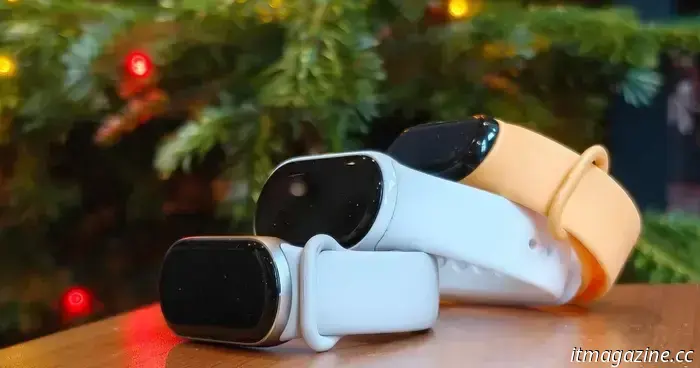
How to utilize your fitness tracker to achieve your best fitness in 2026.
If you've received a brand-new fitness tracker for Christmas or set yourself a commendable New Year's resolution to become fitter, you'll want to learn how to use technology to reach that goal. I've been using and reviewing these devices for many years, and I've gathered some helpful tips to keep in mind.
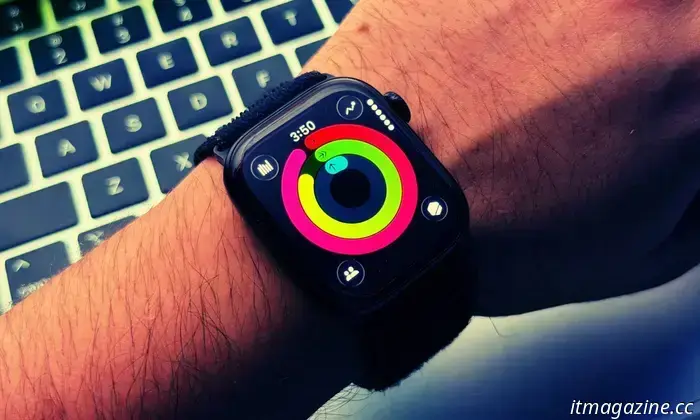
A fitness tracker is a more compact and budget-friendly alternative to a smartwatch, designed for simplicity and style while effectively monitoring your body's condition. They make excellent gifts or serve as a personal commitment to improve your fitness without the need to invest in high-end options like the Apple Watch Ultra 3.
So, if your aim for 2026 is to enhance your fitness—whether for an ambitious goal or simply to connect better with your body—here are five tips that will help you remain healthy and informed.
Wear it continuously, not just during workouts
Many people mistakenly wear their fitness trackers only during exercise, such as while running or walking, and then take them off afterward.
In reality, your fitness tracker can provide much more data, and you should keep it on for as much of your day as you can. Most devices track sleep when worn at night, monitor heart rate throughout the day, and count the calories burned from daily activities you might not deem as exercise.
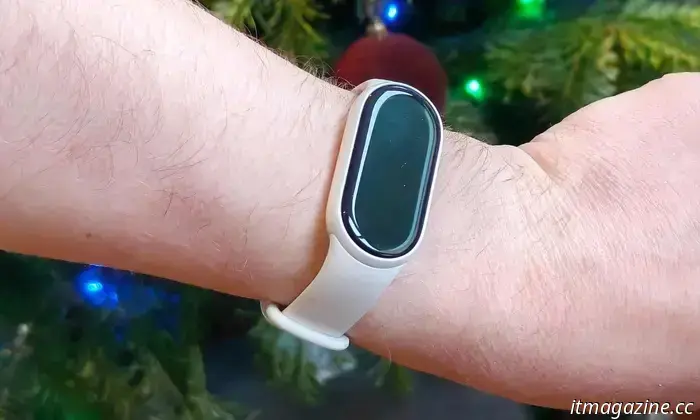
To do this effectively, the fitness tracker needs to remain on your wrist at all times (except while charging, of course). Aim to wear it continuously, and you may be amazed at how much your new gadget can track.
Explore all of its capabilities
If you want your fitness device to motivate you, take some time to browse its features and see all the activities it can monitor. While you may have purchased it for step counting or sleep tracking, most models can do far more.
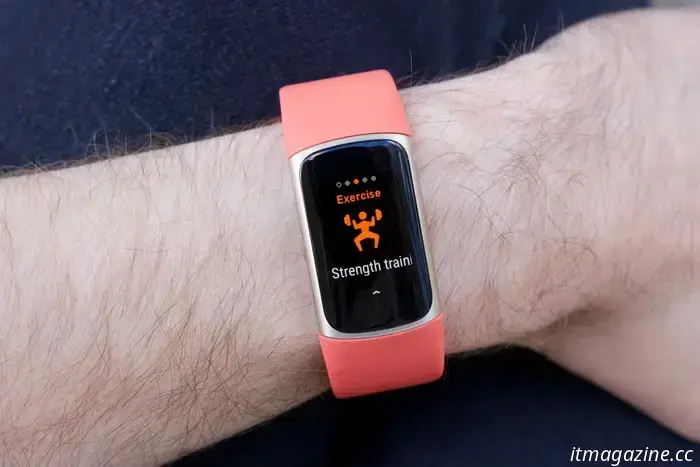
Today's fitness trackers can track over 100 different activities, and some include specialized modes for workout training, running guides, or HIIT sessions. These features may encourage you to try a new exercise or motivate you to train more seriously in activities you're already doing.
Utilize your data instead of just gathering it
Your sleep tracker provides a wealth of information, including run times, sleep patterns, and heart rate data. However, all this data is worthless unless you actively use it.
Make sure to use your fitness tracker’s mobile app, which compiles data on every metric it monitors. Most of these apps will offer detailed insights into individual workouts or sleep sessions, such as the route and pace of a run or REM cycles during sleep. This can help you identify what changes to make or how to alter your workouts for better fitness results.
Additionally, most fitness trackers present this information in graphs over time, whether for specific activities or a virtual fitness currency. This can be valuable in recognizing overall fitness trends: are you improving or hitting a plateau? Over time, you may notice other patterns emerge, like worse sleep in warmer weather or slower running times in winter. Understanding this information will give you a clearer picture of your body.
Don’t hesitate to invest in accessories
Like any gadget, a fitness tracker can benefit from additional investment in accessories. You can purchase these from the manufacturer or through third-party sellers.
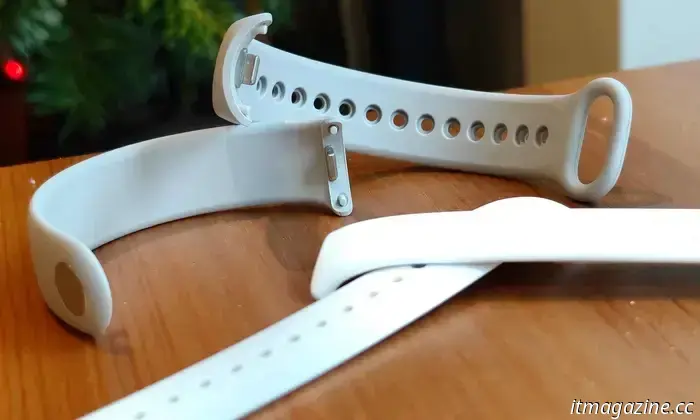
One of the most common accessories is a new band. The included bands are usually functional but quite basic. Fortunately, most brands offer alternatives in a variety of styles, materials, and colors, allowing you to choose one that complements your style and comfort. This is ideal for those who prioritize aesthetics, individuals with sensitive skin needing specific materials, or users who find the default strap doesn't fit well.
There are also other accessories that could be useful. Some fitness trackers have cases to protect against impacts during endurance activities, and a charging stand can simplify the process of powering up the device. If your tracker can store music, wireless workout headphones can enhance that feature.
Don't stress too much
The key takeaway for improving fitness is to listen to your body, not just your fitness tracker (even though the device may provide insights that your body doesn't convey).
If your tracker suggests it's time for a run, encourages you to push harder, or reassures you that you had enough sleep, that information can be helpful. However, technology isn't infallible; your body signals its own status—trust how you feel.
Many individuals become overly reliant on fitness trackers and neglect to check in with themselves regularly. However, the healthiest individuals maintain a balanced relationship with their technology.
Other articles
 A humanoid robot teleoperator accidentally kicks itself in a painful spot.
Humanoid robots have made significant progress lately, and there are high expectations for these sophisticated machines in the upcoming year. Training humanoid robots can occur in several ways. For instance, Unitree's G1 robot undergoes training in part through teleoperation, where a human operator uses a motion-capture suit or controllers to […]
A humanoid robot teleoperator accidentally kicks itself in a painful spot.
Humanoid robots have made significant progress lately, and there are high expectations for these sophisticated machines in the upcoming year. Training humanoid robots can occur in several ways. For instance, Unitree's G1 robot undergoes training in part through teleoperation, where a human operator uses a motion-capture suit or controllers to […]
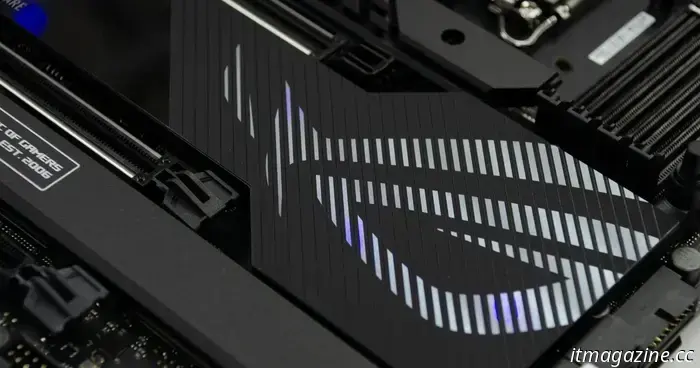 Asus may develop its own RAM since other companies are preoccupied.
Due to a worldwide memory shortage, Asus might explore DRAM manufacturing or seek alternative suppliers to mitigate price increases as costs for DDR4 and DDR5 continue to climb.
Asus may develop its own RAM since other companies are preoccupied.
Due to a worldwide memory shortage, Asus might explore DRAM manufacturing or seek alternative suppliers to mitigate price increases as costs for DDR4 and DDR5 continue to climb.
 LG Display is ready to unveil its 27-inch 4K OLED RGB stripe panel at CES 2026.
LG Display is introducing the first-ever 27-inch 4K OLED RGB stripe panel with a refresh rate of 240Hz, aimed at high-end gaming and professional displays, offering enhanced clarity, speed, and versatility.
LG Display is ready to unveil its 27-inch 4K OLED RGB stripe panel at CES 2026.
LG Display is introducing the first-ever 27-inch 4K OLED RGB stripe panel with a refresh rate of 240Hz, aimed at high-end gaming and professional displays, offering enhanced clarity, speed, and versatility.
 You inquired: What are the top TV recommendations for frequent daily use, and are all-in-one soundbars a wise choice?
In this episode of You Asked, we discuss the value of all-in-one soundbars, identify which TVs are suitable for frequent daily use, and explore strategies for creating accessible TV setups for individuals with visual impairments.
You inquired: What are the top TV recommendations for frequent daily use, and are all-in-one soundbars a wise choice?
In this episode of You Asked, we discuss the value of all-in-one soundbars, identify which TVs are suitable for frequent daily use, and explore strategies for creating accessible TV setups for individuals with visual impairments.
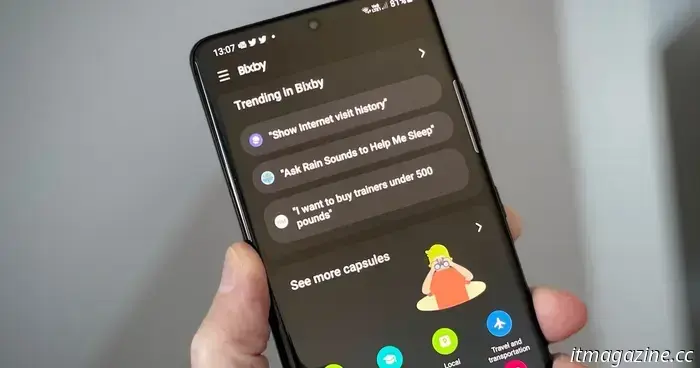 Bixby on Galaxy smartphones might soon be able to compete with Gemini by providing more intelligent responses.
Samsung may introduce a more intelligent Bixby powered by Perplexity in the upcoming One UI 8.5.
Bixby on Galaxy smartphones might soon be able to compete with Gemini by providing more intelligent responses.
Samsung may introduce a more intelligent Bixby powered by Perplexity in the upcoming One UI 8.5.
 I have been covering games for several years – here are the most significant events that took place in 2026.
From GTA 6 to the latest Steam Machines, here’s everything to look forward to in 2026.
I have been covering games for several years – here are the most significant events that took place in 2026.
From GTA 6 to the latest Steam Machines, here’s everything to look forward to in 2026.
How to utilize your fitness tracker to achieve your best fitness in 2026.
We will guide you through five key tips to help you maximize the use of a fitness tracker and enhance your health.