

The Xiaomi S25 Ultra competitor boasts a physical zoom ring reminiscent of DSLR cameras, along with a 200MP zoom lens.
Following months of speculation and excitement, the Chinese smartphone manufacturer Xiaomi has unveiled its competitor to the iPhone 17 Pro Max and Galaxy S25 Ultra: the Xiaomi 17 Ultra Leica Edition (alongside the standard Ultra version).
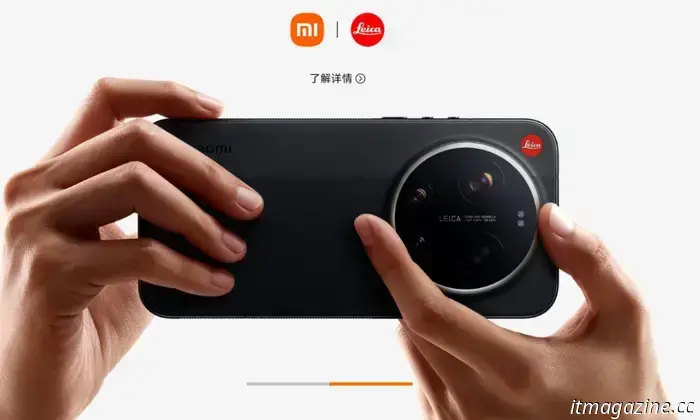
From the outset, it stands out as one of the top camera-focused smartphones we've encountered this year, boasting a circular rear camera design complete with a physical zoom ring, akin to what you might find on DSLR cameras.
Xiaomi
Why Xiaomi’s zoom ring is more than just a gimmick
At the heart of the Xiaomi 17 Ultra’s camera system lies a 200MP (f/2.4-2.9, 1/1.4″) periscope telephoto camera that allows for continuous zoom ranging from 75 mm (f/2.4, 3.2x) to 100 mm (f/2.9, 4.3x). This functionality is achieved through a combination of two fixed telephoto lenses (with different focal lengths) and digital interpolation in between.
Typically, smartphones do not offer continuous optical zoom due to lacking the necessary hardware found in DSLR or mirrorless camera lenses. However, the Xiaomi 17 Ultra represents a significant advancement in this aspect, featuring a continuous zoom range from 3.2x to 4.3x.
Additionally, the optical zoom range can be adjusted by rotating the outer edge of the camera module, similar to how you would on a DSLR. Along with changing the focal length, this zoom ring also allows users to modify exposure compensation, white balance, and potentially other settings available in Pro mode.
Xiaomi
In addition to the 200MP zoom camera, the Xiaomi 17 Ultra is equipped with a 50MP (f/1.7) main camera and a 50MP (f/2.2) ultrawide camera that includes autofocus capabilities. Xiaomi has also incorporated a time-of-flight sensor, which is expected to enhance edge detection in portrait mode and improve the camera’s focusing abilities.
The Xiaomi 17 Ultra can capture 8K videos at 30 fps, 4K videos at 120 fps (with the front camera limited to 4K at 60 fps), and 1080p videos at up to 1920 fps. The standard Xiaomi 17 Ultra features a similar camera configuration, minus the mechanical zoom ring surrounding the camera. Both devices benefit from camera optics developed in partnership with Leica.
Beyond its camera capabilities, the Xiaomi 17 Ultra fulfills all flagship criteria
Once you've finished admiring the smartphone’s rear camera array, you can turn it around to reveal the 6.9-inch 12-bit OLED LTPO display, which achieves a peak brightness of 3,500 nits and supports a maximum refresh rate of 120Hz. The phone is compatible with a variety of HDR formats, including HDR10+ and Dolby Vision.
Internally, both variants of the Xiaomi 17 Ultra are powered by the Snapdragon 8 Elite Gen 5 chipset (featuring the Adreno 840 GPU), offering up to 16GB of RAM (LPDDR5X), 1TB of storage (UFS 4.1), and a 6,800 mAh Si/C battery capable of 100W wired and 80W wireless charging.
The flagship comes with Xiaomi’s HyperOS 3.0 user interface, built on Android 16. Regarding pricing, the base Xiaomi 17 Ultra (12GB + 512GB) is priced at CNY 6,999 in China, roughly $996 in the U.S., while the Xiaomi 17 Ultra Leica Edition (16GB + 512GB) retails for CNY 7,999, around $1,136.16.
Although Xiaomi has confirmed that its Ultra flagship will be available globally, there has yet to be confirmation of its release in the United States (although a recent FCC listing gives some optimism).

Other articles
 Here are the steps you need to take with your new PS5 before starting a game.
Unpack your new system and maximize its potential with our PS5 setup guide this holiday season.
Here are the steps you need to take with your new PS5 before starting a game.
Unpack your new system and maximize its potential with our PS5 setup guide this holiday season.
 Four remarkable robot demonstrations from 2025, along with one significant failure.
This year has been significant for humanoid robots, showcasing a variety of increasingly sophisticated designs. The highlights here emphasize physical mobility rather than artificial intelligence capabilities, which are anticipated to be more prominent next year. H1 by Unitree Many humanoid robots continue to move as if they are urgently searching for […]
Four remarkable robot demonstrations from 2025, along with one significant failure.
This year has been significant for humanoid robots, showcasing a variety of increasingly sophisticated designs. The highlights here emphasize physical mobility rather than artificial intelligence capabilities, which are anticipated to be more prominent next year. H1 by Unitree Many humanoid robots continue to move as if they are urgently searching for […]
 NotebookLM may soon transform your study notes into classroom lectures.
Google is trialing a new Lecture mode in NotebookLM that can transform your notes and documents into extended, spoken lectures. This feature is designed to verbally convey material, giving studying a feel similar to being in an actual classroom.
NotebookLM may soon transform your study notes into classroom lectures.
Google is trialing a new Lecture mode in NotebookLM that can transform your notes and documents into extended, spoken lectures. This feature is designed to verbally convey material, giving studying a feel similar to being in an actual classroom.
 5 excellent Netflix films to enjoy this Christmas
Jingle Bell Heist and Klaus are among the holiday movies on Netflix that viewers should watch this Christmas.
5 excellent Netflix films to enjoy this Christmas
Jingle Bell Heist and Klaus are among the holiday movies on Netflix that viewers should watch this Christmas.
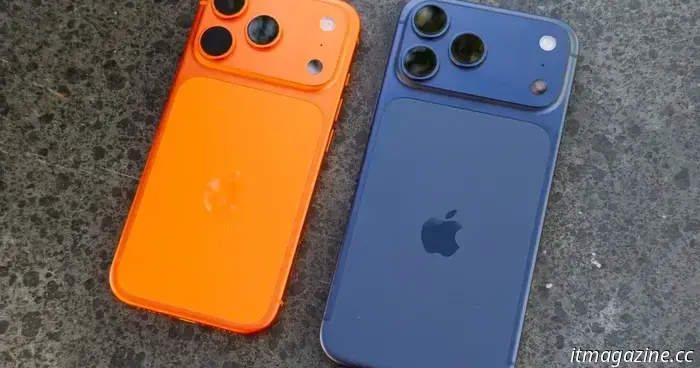 Xiaomi appears to be facing a memory crisis, which may have repercussions for Samsung and Apple in 2026.
The memory crisis is no longer just a theory. Xiaomi's 17 Ultra demonstrates how increasing RAM prices are subtly influencing flagship pricing, a trend that Apple and Samsung may soon adopt.
Xiaomi appears to be facing a memory crisis, which may have repercussions for Samsung and Apple in 2026.
The memory crisis is no longer just a theory. Xiaomi's 17 Ultra demonstrates how increasing RAM prices are subtly influencing flagship pricing, a trend that Apple and Samsung may soon adopt.
 Where is Santa currently? He's not too far away...
It's Christmas Eve, and as the evening draws near, the question of 'When will Santa arrive?' will echo around the house. NORAD anticipates he will be in your airspace between 9 PM and midnight, but we all know the guideline… only if you're sound asleep. If you're curious about his current whereabouts, take a look at the resources we've been using […]
Where is Santa currently? He's not too far away...
It's Christmas Eve, and as the evening draws near, the question of 'When will Santa arrive?' will echo around the house. NORAD anticipates he will be in your airspace between 9 PM and midnight, but we all know the guideline… only if you're sound asleep. If you're curious about his current whereabouts, take a look at the resources we've been using […]
The Xiaomi S25 Ultra competitor boasts a physical zoom ring reminiscent of DSLR cameras, along with a 200MP zoom lens.
The Xiaomi 17 Ultra isn't merely focused on increasing megapixels; it's redefining the experience of smartphone zoom by incorporating a physical zoom ring around an impressive 200MP periscope camera.