
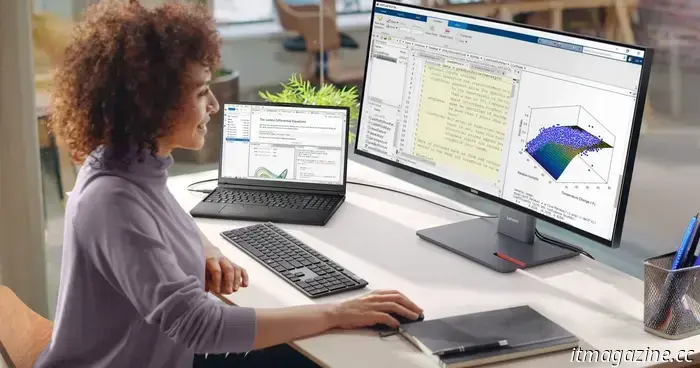
The opportunity for skill enhancement: The importance of AI PCs in transforming the workforce.
The potential and impact of artificial intelligence in the workplace is no longer a matter of speculation. AI tools enhance processes, create content, and provide insights at an unparalleled pace. However, for some professionals, the possibilities of AI may seem unattainable—not due to technological constraints, but because they haven't received proper training on its use.
AI PCs are set to change this scenario. These advanced devices feature on-device AI optimization, natural language models, and intelligent workflows embedded within the operating system. These are significant productivity boosters that are redefining the nature of digital work. Employees will have the opportunity to develop new skills and learn how to work with AI in intuitive, secure, and efficient ways.
Understanding the skills gap
Despite discussions about an “AI skills gap,” the issue isn't purely technical. The real gap lies in comfort, contextual understanding, and building confidence. Workers don't need to become data scientists; instead, they should learn how to engage with AI tools, assess their outputs, and integrate them into their workflows.
We spoke with Tom Butler, Vice President of Commercial Product and Portfolio Management at Lenovo, who pointed out that the primary challenge isn't a lack of interest but rather the pace of change. “Technology is advancing faster than workforce skills are evolving,” Butler noted. This leaves organizations racing to keep employees informed as the tools continue to evolve.
The solution? Change the focus. Instead of preparing for the latest flashy advancements, companies should emphasize what Butler describes as “everyday digital fluency.” This encompasses:
- Purposeful prompting: Formulating clear, outcome-oriented requests.
- Data awareness: Understanding how AI models are trained and what they require to yield reliable results.
- Security literacy: Recognizing when data remains local and comprehending how hybrid AI environments function.
Fostering these skills throughout an organization could transform AI from an enigmatic tool into a powerful asset. And when these abilities are combined with AI-native hardware, the possibilities are limitless.
What distinguishes an AI PC?
Unlike traditional devices that primarily depend on cloud processing, AI PCs leverage edge computing. With on-device AI, models operate locally, enabling users to enjoy quicker and more private interactions. While this may sound like a slight enhancement, generating creative content instantly, uncovering customer insights during sales calls, or reviewing patient documentation on the move can make a significant difference.
Lenovo's ThinkPad portfolio, for instance, incorporates neural processing units (NPUs) that facilitate tools like real-time language translation, meeting summaries, image enhancements, and more. Users’ interactions with these devices are evolving as well. There's a reduced need for navigating menus or familiarizing oneself with new applications. Instead, users can engage with AI PCs using natural language and intent-based workflows. Pose a question, make a request, and allow the system to handle the heavy workload.
Shifting from digital tools to digital discernment
However, increased autonomy comes with greater responsibility. Generative models are potent but not always accurate. Recognizing inaccuracies, checking for biases, and knowing when to exercise caution are what distinguish proficient AI users from those who feel overwhelmed.
Butler refers to this as “digital judgment,” which is essential for effective AI utilization. This mindset is rapidly becoming a fundamental skill. The encouraging news? It can be learned.
One effective method could be scenario-based training, where employees engage with AI tools and analyze the outcomes. Alternatively, organizations could integrate AI interactions into familiar platforms such as word processors and presentation software. The focus should be on visibility and repetition: demonstrating how AI fits into existing work processes, which will build confidence over time.
As workflows evolve, so too should skill sets.
As the transition to AI PCs unfolds, it signifies a further change in how we work. Tech-savvy employees are no longer confined to rigid processes or fixed tools. With AI integrated into devices, they can begin to customize their own workflows, link automation sequences, and optimize repetitive tasks in ways that would have previously required a developer’s assistance.
This opens the door for a new class of professionals, whom Butler calls “AI champions.” These individuals aren't necessarily engineers or IT administrators; they are employees who understand the business and have acquired the ability to apply AI in practical, everyday scenarios. They serve as the link between what is possible and what is genuinely valuable.
Businesses that invest in these internal advocates through early training initiatives, mentorship programs, or collaborative experimental environments gain more than just operational efficiency—they build resilience. They prepare their teams for future changes.
Fostering a supportive culture surpasses technical implementation
It’s easy to concentrate on the technology. However, as many companies have discovered, successful AI adoption is more about trust than just deployment.
When employees feel encouraged to experiment, are provided with insight into how models function, and have a safety net to ask questions or raise concerns, organizations will witness quicker adoption. Lenovo’s rollout approach prioritizes creating psychological safety along with technical skills training.
And it’s effective. As AI becomes more woven into familiar tools, trepidation is giving way to
Other articles
 AFEELA now offers PS Remote Play, allowing you to enjoy your PlayStation 5 while parked.
Sony Honda Mobility announces that AFEELA will incorporate PS Remote Play, allowing PS5 and PS4 games to be streamed to the car's cabin display. This seems promising when stationary, but the reliability of broadband speed and coverage will determine its success.
AFEELA now offers PS Remote Play, allowing you to enjoy your PlayStation 5 while parked.
Sony Honda Mobility announces that AFEELA will incorporate PS Remote Play, allowing PS5 and PS4 games to be streamed to the car's cabin display. This seems promising when stationary, but the reliability of broadband speed and coverage will determine its success.
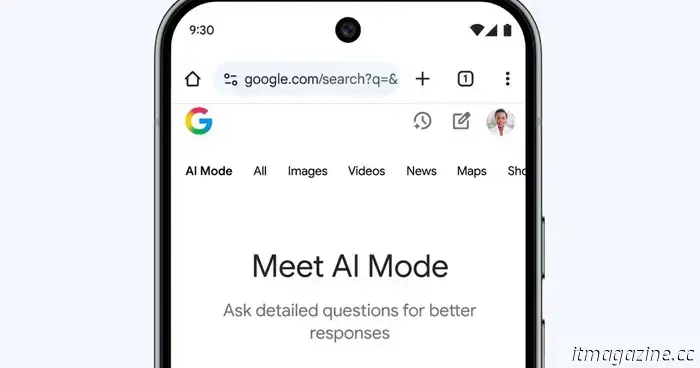 Chrome will soon inform you about what you were previously reading using tab-aware AI.
Chrome's AI Mode is advancing past basic chat features. It will soon have the capability to refer to your recent tabs and respond to inquiries about the content you accessed previously.
Chrome will soon inform you about what you were previously reading using tab-aware AI.
Chrome's AI Mode is advancing past basic chat features. It will soon have the capability to refer to your recent tabs and respond to inquiries about the content you accessed previously.
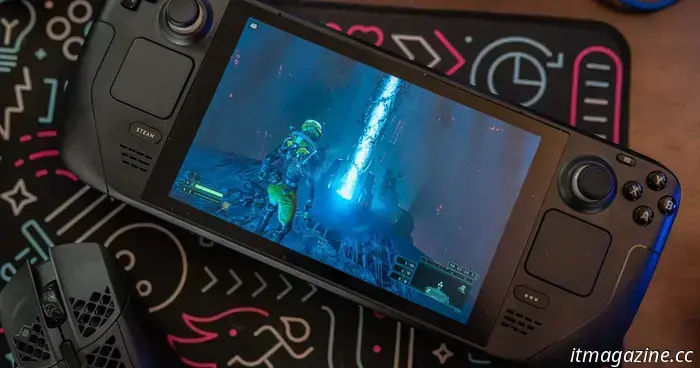 The LCD of the Steam Deck is nearing the end of its lifecycle, which could impact your upcoming handheld purchase.
Valve is discontinuing sales of the Steam Deck LCD for one of its main configurations. On the Steam Deck store page, Valve announced that it is “phasing out the Steam Deck LCD 256GB model” and that it “will no longer be available” once the remaining inventory is sold out. The message also highlights the distinction between […]
The LCD of the Steam Deck is nearing the end of its lifecycle, which could impact your upcoming handheld purchase.
Valve is discontinuing sales of the Steam Deck LCD for one of its main configurations. On the Steam Deck store page, Valve announced that it is “phasing out the Steam Deck LCD 256GB model” and that it “will no longer be available” once the remaining inventory is sold out. The message also highlights the distinction between […]
 An explanation of GeForce NOW's 100-hour limit for your monthly gameplay.
GeForce NOW will implement a monthly limit of 100 hours starting January 1. This will first affect certain users, and existing paid members might have additional time. Here's what to verify before the limit takes effect.
An explanation of GeForce NOW's 100-hour limit for your monthly gameplay.
GeForce NOW will implement a monthly limit of 100 hours starting January 1. This will first affect certain users, and existing paid members might have additional time. Here's what to verify before the limit takes effect.
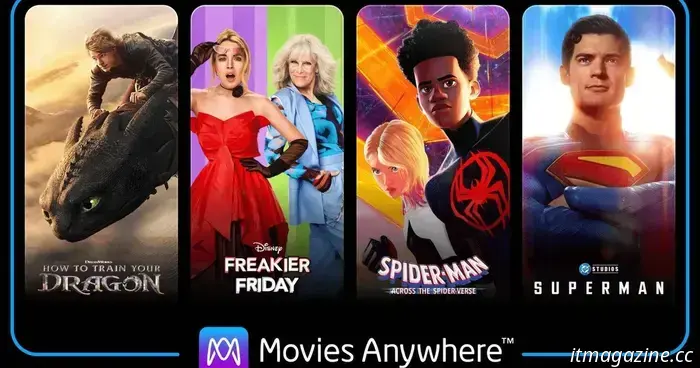 You can once more access films bought from Google Play and YouTube through Movies Anywhere.
Movies Anywhere has reinstated Google as a partner service, allowing users to access their movie purchases from Google Play and YouTube on the platform.
You can once more access films bought from Google Play and YouTube through Movies Anywhere.
Movies Anywhere has reinstated Google as a partner service, allowing users to access their movie purchases from Google Play and YouTube on the platform.
The opportunity for skill enhancement: The importance of AI PCs in transforming the workforce.
The potential and impact of artificial intelligence in the workplace is now a reality, not just a concept. AI tools enhance workflows, create content, and reveal insights more quickly than ever before. However, for certain professionals, the promise of AI may seem unattainable. This isn't due to technological constraints, but rather a lack of education on how to utilize it. AI [...]