
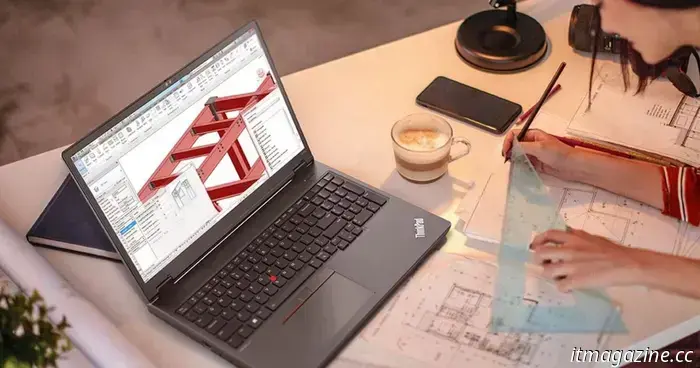
Your upcoming Dell or Lenovo computer may soon become more expensive.
A memory shortage is causing prices to rise by up to 15 percent, with the opportunity to purchase at lower prices rapidly diminishing.
What has occurred? The shortage of DRAM and NAND flash, initially prompted by a surge in demand from AI data centers, has now significantly impacted consumer hardware. Recent industry reports from TrendForce indicate that leading brands are responding: Dell and Lenovo are reportedly preparing to implement notable price increases across their PC and server products to manage rising component costs. HP has already issued warnings about price hikes across its PC and laptop range, while AMD has also indicated it will raise GPU prices.
Dell is reportedly considering a price surge of 15–20% on many server and PC products starting mid-December.
Lenovo has informed clients that all price quotations will expire by January 1, 2026, and any new orders placed afterward will incur higher charges.
Manufacturers of DRAM and NAND are giving preference to high-margin AI/server orders over consumer PCs, leading to a decrease in supply for standard desktops and laptops.
Why does this matter? This isn't merely corporate jargon or turmoil in the server market; it directly affects consumers’ finances. If you were planning to purchase a new laptop, desktop, or server towards the end of 2025 or the beginning of 2026, you might soon face a considerably higher price. For businesses and students, this could lengthen the cycles for PC upgrades, resulting in fewer upgrades, tighter budgets, or having to settle for older equipment. Gamers or content creators looking to build new setups next year may find that the rising costs impact their plans significantly.
Why should you be concerned? These price increases don’t just quietly add to your expenses; they influence every purchasing choice you'll make in the coming months. As original equipment manufacturer (OEM) prices rise, retailers quickly adjust their prices, corporate discounts may diminish, and even refurbished or clearance items could see price increases. If you’re in the market for a work laptop, study device, or even a secondary home PC, delaying your purchase could result in paying more for the same configuration or being forced to accept lower specifications to stay within budget.
What’s the next step? If a new PC or laptop is on your shopping radar, it’s time to act, as the clock is ticking. Expect retailers to gradually raise prices in the coming weeks—not all at once, but through small increments. The best strategy is straightforward: finalize your configuration sooner rather than later, particularly if you desire more RAM or a larger SSD. If you choose not to, be prepared to search for older deals and clearance stock in early 2026. In either case, the "wait and see" approach has just become much more expensive.




Other articles
 Samsung's enormous Odyssey Neo G9 has recently received a significant price reduction.
If a typical ultrawide monitor seems limiting, this is the enhancement you've been looking for. The Samsung 57-inch Odyssey Neo G9 (G95NC) is currently available for $1,449.99, reduced from $2,299.99, offering a savings of approximately $850 on one of the most extravagant gaming displays available. It features a dual-4K display and a 240 Hz refresh rate.
Samsung's enormous Odyssey Neo G9 has recently received a significant price reduction.
If a typical ultrawide monitor seems limiting, this is the enhancement you've been looking for. The Samsung 57-inch Odyssey Neo G9 (G95NC) is currently available for $1,449.99, reduced from $2,299.99, offering a savings of approximately $850 on one of the most extravagant gaming displays available. It features a dual-4K display and a 240 Hz refresh rate.
 Your upcoming Samsung phone could potentially utilize genuinely "Samsung-manufactured" silicon.
Samsung has launched a "Custom SoC Development Team" with the goal of designing its own chips internally. This initiative could lead to more optimized processors, improved battery life, and smartphones that offer more than just a standard "Android experience."
Your upcoming Samsung phone could potentially utilize genuinely "Samsung-manufactured" silicon.
Samsung has launched a "Custom SoC Development Team" with the goal of designing its own chips internally. This initiative could lead to more optimized processors, improved battery life, and smartphones that offer more than just a standard "Android experience."
 Meta assures that recovering your hacked Instagram account will soon become simpler.
Meta is introducing a new consolidated support center for Facebook and Instagram aimed at simplifying the account recovery process.
Meta assures that recovering your hacked Instagram account will soon become simpler.
Meta is introducing a new consolidated support center for Facebook and Instagram aimed at simplifying the account recovery process.
 The OnePlus 15R is set to eliminate battery anxiety with a significant announcement.
Additionally, the flagship OnePlus 15 is now available for pre-order in the United States.
The OnePlus 15R is set to eliminate battery anxiety with a significant announcement.
Additionally, the flagship OnePlus 15 is now available for pre-order in the United States.
 I examined 7 Galaxy S26 renders; here’s what you should pay attention to.
I checked out a set of Samsung Galaxy S26 renders, but how accurate are they in predicting what we might see next year?
I examined 7 Galaxy S26 renders; here’s what you should pay attention to.
I checked out a set of Samsung Galaxy S26 renders, but how accurate are they in predicting what we might see next year?
Your upcoming Dell or Lenovo computer may soon become more expensive.
Surging demand for AI is causing memory shortages, prompting Dell and Lenovo to raise prices for PCs and servers. Price hikes of 15-20% could come as soon as December or January.