
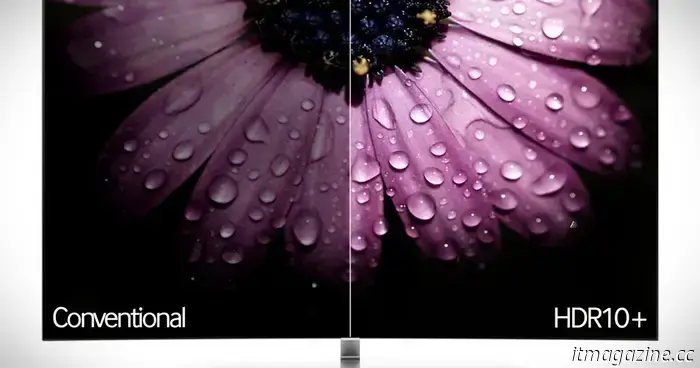
Netflix eliminated my last doubt about purchasing a Samsung OLED TV.
Samsung
I've been contemplating upgrading my 2017 LG 4K C7 OLED TV for some time now. There's nothing wrong with it; it still works as well as it did when I first bought it. However, I'm ready for a larger and brighter model.
As a firm believer in the advantages of OLED, I've mainly been considering options from LG, Sony, and Samsung. These brands consistently rank among the top for OLED TVs. In theory, it shouldn't matter which one I pick — there are no poor choices in this category.
Nonetheless, I tend to experience a bit of FOMO regarding major tech purchases. Since I don't make them often, I want to ensure I'm getting the best possible product. When reviewing the specifications that matter to me, Samsung's ongoing absence of Dolby Vision support has been a significant concern.
Should it be? There is indeed a much larger distinction between standard dynamic range and HDR10 than there is between HDR10 and Dolby Vision. Caleb Denison, Digital Trends’ TV expert, has argued that the improvement that Dolby Vision offers over HDR10 is not always obvious. To truly appreciate dynamic HDR formats like Dolby Vision (and Samsung’s preferred open-source alternative, HDR10+), you need to view content with “particularly bright or particularly dark scenes," Denison notes, "where subtle nuances in bright highlights and/or shadow details can be crucial to a scene."
The issue is, my current LG OLED TV does support Dolby Vision, and I believe I can see the enhancements when viewing Dolby Vision content. Given that much of the dynamic HDR content on streaming services has historically been limited to Dolby Vision, the thought of purchasing a TV that I plan to use for the next 8-10 years without this feature feels off.
Or at least, it did.
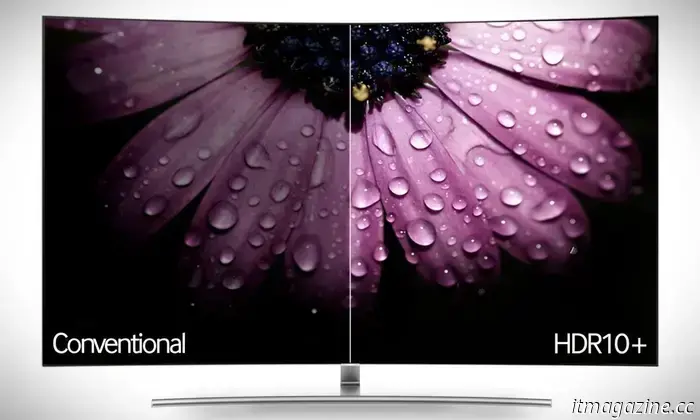
One deceptively simple announcement from Netflix has shifted my perspective. Their decision to introduce support for HDR10+ as their second dynamic HDR format might not concern those who already own a Dolby Vision TV, but it's monumental for Samsung owners (or potential Samsung buyers like me). Netflix is a major player in the streaming industry, and their adoption of HDR10+ could finally create a more level playing field for dynamic HDR content access. Until now, among the major streaming platforms, it was the only one that hadn’t adopted HDR10+. With this hurdle crossed, my FOMO has significantly decreased.
The reality is, I might still choose to purchase my next OLED TV from LG, Sony, or perhaps even Panasonic. However, if I do, it won’t be due to the fear that only these brands can provide the best HDR viewing experience.
Simon Cohen is a contributing editor to Digital Trends' Audio/Video section, where he focuses on the latest wireless innovations.
Apple Music Classical has become more personalized with its latest update
For Apple Music Classical users, there are some exciting new updates. In the latest app version (2.2), three significant enhancements have been introduced to help you discover music you love and explore new titles tailored to your listening habits.
The first update is the launch of entirely new listening guides. These guides provide detailed written context and explanations for different sections of a musical work in real-time. They work similarly to lyrics, scrolling alongside the music as you listen, enhancing the overall experience. Initially, over 150 popular classical pieces are available, each accompanied by a listening guide that offers insights into their historical context, compositional techniques, and thematic content.
WWDC 2025 date confirmed as we anticipate iOS 19, macOS 16, watchOS 12, and more
Apple has announced the date for its annual Worldwide Developers Conference (WWDC 2025), where executives from the Cupertino, California-based company will unveil the next generation of its software platforms.
WWDC 2025 will occur from June 9 to June 13, with the keynote presentation (which Apple is promoting as a "special event") set for the first day of the conference. Apple has also confirmed that this year's WWDC will be entirely virtual and all developers can attend for free.
Remember Napster? A $207 million deal gives it new life
Napster has found a new lease of life after being acquired for $207 million, transforming from a peer-to-peer file-sharing platform into a music streaming service.
According to CNBC, Napster was purchased on Tuesday by Infinite Reality, a 3D technology company. This acquisition will revitalize the music platform, allowing it to function as both a streaming service and a metaverse platform. Infinite Reality intends to introduce social features to Napster, enabling artists and labels to create 3D spaces for fans to enjoy virtual concerts and listening parties. They will also develop e-commerce channels for artists to sell physical and virtual merchandise.

Other articles
 Patrick Stewart, Ian McKellen, and other X-Men actors join the cast of Avengers: Doomsday.
The X-Men are becoming part of the world's premier superhero team. Discover which X-Men actors have been added to the cast of Avengers: Doomsday.
Patrick Stewart, Ian McKellen, and other X-Men actors join the cast of Avengers: Doomsday.
The X-Men are becoming part of the world's premier superhero team. Discover which X-Men actors have been added to the cast of Avengers: Doomsday.
 Is the standard iPad too widely used to receive Apple Intelligence?
In a time when Apple focuses heavily on AI technology, it seems peculiar that this capability isn’t included in the base model. The reason for this may now be more apparent. At first glance, the clear hardware limitation of the base iPad is that it doesn’t possess the necessary power to support AI functionalities. [...]
Is the standard iPad too widely used to receive Apple Intelligence?
In a time when Apple focuses heavily on AI technology, it seems peculiar that this capability isn’t included in the base model. The reason for this may now be more apparent. At first glance, the clear hardware limitation of the base iPad is that it doesn’t possess the necessary power to support AI functionalities. [...]
 The CEO of Apple unexpectedly visited China and contributed RMB 30 million to Zhejiang University.
On Wednesday, Tim Cook, the CEO of Apple, attended Zhejiang University to celebrate the 10th anniversary of the Mobile Application Innovation program, which was established in collaboration between the American tech company and the Chinese university.
The CEO of Apple unexpectedly visited China and contributed RMB 30 million to Zhejiang University.
On Wednesday, Tim Cook, the CEO of Apple, attended Zhejiang University to celebrate the 10th anniversary of the Mobile Application Innovation program, which was established in collaboration between the American tech company and the Chinese university.
 5 must-see movies departing from Hulu in March 2025
Only a limited number of movies are departing from Hulu in March, yet locating a quality film among them is more challenging than it ought to be.
5 must-see movies departing from Hulu in March 2025
Only a limited number of movies are departing from Hulu in March, yet locating a quality film among them is more challenging than it ought to be.
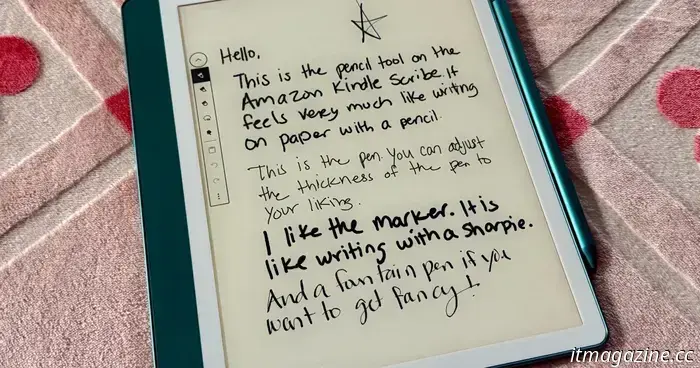 The Kindle Scribe is now available at a rare discount during Amazon's Big Spring Sale.
This eReader could potentially surpass a paper book, even if you're hesitant, because of its excellent note-taking features and affordable price. You can get an Amazon Kindle Scribe for $365.
The Kindle Scribe is now available at a rare discount during Amazon's Big Spring Sale.
This eReader could potentially surpass a paper book, even if you're hesitant, because of its excellent note-taking features and affordable price. You can get an Amazon Kindle Scribe for $365.
 LibrePCB 1.3.0 has been released: CAD for PCB design
The latest release of the free package for automation of PCB design LibrePCB 1.3.0 is already available for download. This tool is positioned as simple and convenient to use, although it is inferior in capabilities to the more advanced KiCad. It is suitable for both beginners and professionals.
LibrePCB 1.3.0 has been released: CAD for PCB design
The latest release of the free package for automation of PCB design LibrePCB 1.3.0 is already available for download. This tool is positioned as simple and convenient to use, although it is inferior in capabilities to the more advanced KiCad. It is suitable for both beginners and professionals.
Netflix eliminated my last doubt about purchasing a Samsung OLED TV.
By adopting HDR10+, Netflix has alleviated my concerns about purchasing a Samsung TV. Here's the reason.