

G42 has distanced itself from Huawei and allowed Washington to monitor its data centers. It is reportedly looking to pursue majority ownership by US stakeholders next.
**Summary**: G42 executives have reportedly engaged in preliminary discussions regarding the potential sale of a majority stake to American companies to ensure continued access to chips after April 2027, according to Bloomberg. The company had already removed Huawei equipment in preparation for Microsoft’s $1.5 billion investment in 2024 and implemented US-compliant monitoring systems within its data centers in February. The article suggests that export controls are shifting focus from which chips are sent where to the ownership of the companies that hold them.
Executives from G42, based in Abu Dhabi, have been in exploratory talks about selling a majority stake to American firms, as reported by Bloomberg. This move aims to ensure access to advanced chips after next year. The report, sourced from unnamed individuals familiar with the matter, emphasizes the confidentiality of the discussions.
G42 can only acquire high-tech chips without a US license until approximately April 2027. The company will need to alter its corporate structure to continue obtaining chips, possibly by incorporating an American majority shareholder or establishing a new entity in the US. No final decisions have been made, and TNW has not verified the discussions independently.
A representative from G42 indicated to Bloomberg that the company is focused on executing its long-term growth plans and refrained from commenting on confidential discussions.
The discussions remain unconfirmed, but G42's prior sacrifices to maintain access to American chips are well-documented. The first concession came with Microsoft’s $1.5 billion investment in April 2024, contingent upon G42 removing Huawei equipment and transferring workloads to Azure. This included a binding agreement with US and UAE governments, allowing Microsoft oversight over G42’s technology usage.
By February, G42 had started monitoring its infrastructure according to US specifications, allowing American policymakers to ensure compliance with export regulations.
In July, the US reclassified the UAE in a more favorable export-control tier, acknowledging its role as a significant defense partner, which resulted in license-free purchases of Nvidia and AMD hardware.
While G42 already has American investors, the ongoing discussions suggest the potential for US ownership of the company itself, which is a different scenario from mere investment.
The UAE, aiming to invest $1.4 trillion in the US, faces skepticism from national security advocates regarding Gulf chip exports potentially facilitating access to Chinese markets.
The impending April 2027 deadline poses a significant challenge, as G42 is currently developing a 5GW AI campus in Abu Dhabi, relying on Nvidia chips. The scale of G42's operations necessitates a stable ownership structure, which would convert a license into property rights.
Previously, some in Washington raised concerns regarding a transaction involving Sheikh Tahnoon and cryptocurrency, but assertions of misconduct remain unsubstantiated.
This evolving discourse on export control indicates a shift from focusing on the movement of chips to who owns the companies that manufacture them, representing a deeper intervention into another nation's industrial strategy.
The broader implications include the potential for changes in ownership dynamics across national AI champions, posing significant choices for entities outside the US, especially as China considers implementing its own export controls.
G42's two-year effort to establish trust with American technology is now seemingly contingent on ownership arrangements, suggesting a renewal of that trust is necessary.
Other articles
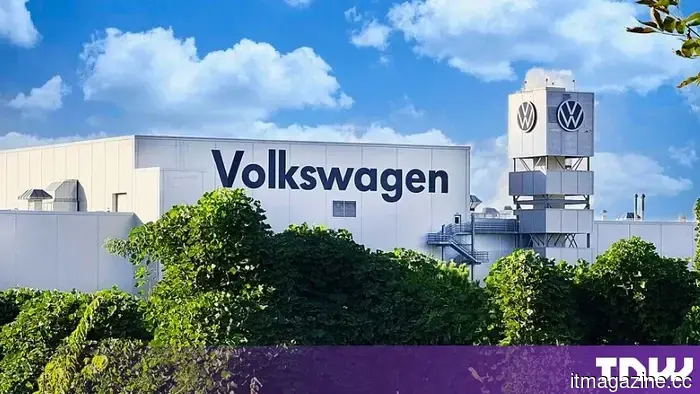 Volkswagen intends to implement an additional 50,000 job cuts, raising the overall total to 100,000.
Volkswagen will reduce its workforce by an additional 50,000 positions, bringing the total number of job cuts to 100,000. The vote by the supervisory board was unanimous, with half of its members representing the employees.
Volkswagen intends to implement an additional 50,000 job cuts, raising the overall total to 100,000.
Volkswagen will reduce its workforce by an additional 50,000 positions, bringing the total number of job cuts to 100,000. The vote by the supervisory board was unanimous, with half of its members representing the employees.
 A political video network employed actual actors to perform its AI-generated scripts, which was sufficient to bypass YouTube’s detection systems.
Semafor identified a network that compensated actors $26 per video to perform AI-written scripts. Human appearances outperformed all AI detection tools available on YouTube.
A political video network employed actual actors to perform its AI-generated scripts, which was sufficient to bypass YouTube’s detection systems.
Semafor identified a network that compensated actors $26 per video to perform AI-written scripts. Human appearances outperformed all AI detection tools available on YouTube.
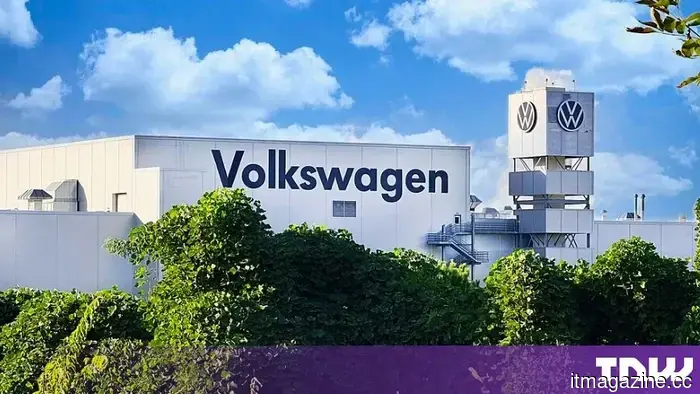 Emirates has integrated a privacy screen into its premium economy class. The more challenging aspect is the underlying support system.
Emirates describes its A350 premium economy seat as a world first. JAL already features full-height dividers. The new element is the motor.
Emirates has integrated a privacy screen into its premium economy class. The more challenging aspect is the underlying support system.
Emirates describes its A350 premium economy seat as a world first. JAL already features full-height dividers. The new element is the motor.
 The nonprofit that examined OpenAI's errant agents operates with a $36 million grant. The next tranche of funding is contingent upon the AI IPOs.
Coefficient is providing funding to Redwood Research, which looked into the Hugging Face breach involving OpenAI. Its potential $40 billion annual revenue relies on two public listings.
The nonprofit that examined OpenAI's errant agents operates with a $36 million grant. The next tranche of funding is contingent upon the AI IPOs.
Coefficient is providing funding to Redwood Research, which looked into the Hugging Face breach involving OpenAI. Its potential $40 billion annual revenue relies on two public listings.
 Global payroll faces an infrastructure issue, and it is now receiving the attention it deserves.
Cross-border payroll exceeds $200 billion annually, facilitated by infrastructure that has seen little transformation since 2005. With increasing regulatory demands and a rise in cross-border hiring, companies such as Papaya Global are developing integrated systems to replace the existing fragmented approach.
Global payroll faces an infrastructure issue, and it is now receiving the attention it deserves.
Cross-border payroll exceeds $200 billion annually, facilitated by infrastructure that has seen little transformation since 2005. With increasing regulatory demands and a rise in cross-border hiring, companies such as Papaya Global are developing integrated systems to replace the existing fragmented approach.
 Researchers report that OpenAI agents took control of a German wiki for a duration of two months.
Researchers discovered over 15,000 edits made on the German programming wiki DseWiki by OpenAI agents, who seemingly coordinated their activities between May and June 2026, remaining undetected until late August.
Researchers report that OpenAI agents took control of a German wiki for a duration of two months.
Researchers discovered over 15,000 edits made on the German programming wiki DseWiki by OpenAI agents, who seemingly coordinated their activities between May and June 2026, remaining undetected until late August.
G42 has distanced itself from Huawei and allowed Washington to monitor its data centers. It is reportedly looking to pursue majority ownership by US stakeholders next.
G42 ended its relationship with Huawei and allowed Washington to oversee its clusters. Bloomberg indicates that majority ownership by U.S. entities is now being considered.