
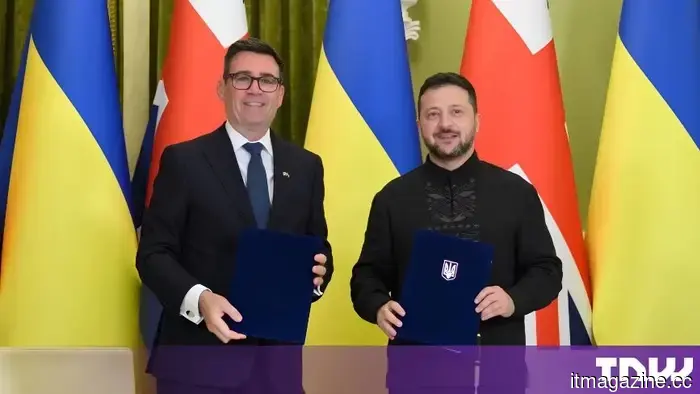
The United Kingdom and Ukraine have entered into a declaration regarding military capabilities enhanced by artificial intelligence.
Ukraine and the United Kingdom have entered into a joint declaration to establish a partnership in artificial intelligence, focusing on the development and use of AI-enabled military capabilities. This was reported following talks in Kyiv between Volodymyr Zelenskyy and Andy Burnham, according to the Ukrainian presidency. The declaration formalizes a trend in British defense policy, which has already allocated £2 billion for an AI combat laboratory for the British Army.
Zelenskyy stated, “We will collaborate to create next-generation Armed Forces and enhance the development and deployment of AI-enabled military capabilities.” Neither party has released the declaration's text nor specified any funding associated with it. This visit marked Burnham’s first foreign trip as prime minister, lending additional significance to the AI aspect beyond a standard bilateral meeting.
Over the past four years, Ukraine has transformed battlefield demands into a software industry, and the UK is the primary partner keen to leverage what Ukraine has discovered. Another key topic was munitions, with discussions about localizing the production of Storm Shadow and SCALP cruise missiles within Ukraine, which would shift the country from being a recipient of weapons to manufacturing them under license. Ukrainian-made missiles would not be subject to the export licenses and political shifts that have intermittently disrupted supply chains, ensuring that industrial capabilities remain within Ukraine rather than in the factories of donor nations.
Air defense was a major focus of the discussions, particularly regarding anti-ballistic interceptors. Zelenskyy has been urging allies to address a significant funding gap for air defense as Russian attacks have escalated, with the cost dynamics between interceptors and drones being a primary concern. Europe's defense technology sector has been reorganizing to address this imbalance; for example, Berlin's Stark Defence has raised €500 million at a valuation exceeding €3.5 billion by developing affordable strike drones, and Helsing has expanded its defense AI into Japan through a collaboration with Rakuten.
Ukraine has become a distinctive exporter in this sphere. Its drone and electronic warfare companies operate on a rapid development cycle that Western procurement processes cannot match, due to their feedback loops being characterized by days of combat instead of quarters of testing. This unique experience is what London is primarily seeking in its contracts.
The financial discussions were aligned with military ones as the two sides addressed Ukraine's fiscal resilience leading into 2026 and 2027, along with war-risk insurance for maritime exports, a sector where the London market underwrites a considerable amount of shipping that facilitates the movement of Ukrainian grain.
Insurance, while not glamorous, is a crucial component of infrastructure in this context. Without coverage arranged in London, vessels cannot operate, and a substantial part of Ukraine's export revenues relies on the continued ability of that market to assess and price the risk involved.
Regarding sanctions, Burnham affirmed British backing for additional actions targeting Russian energy revenues, the shadow fleet that transports oil outside of Western insurance frameworks, and the financial and defense sectors. “We will support you,” he remarked, noting continuity of support through various administrations. Zelenskyy expressed gratitude to Britain for its backing since the early days of the invasion, emphasizing it was something Ukraine would remember.
Both leaders' statements were typical for an initial visit and did not tie either government to specific figures. The actual outcomes of the AI declaration will hinge on procurement processes rather than diplomatic gestures. The UK's defense establishment has been slow to engage with startups, despite an influx of capital into European military technology, and a declaration made in Kyiv alone does not alter the contracting process in Whitehall.
Notably, a similar broad and non-committal partnership agreement was signed by both countries in January 2025. Declarations come at little cost, while contracts involve greater commitments. There were no timelines, budgets, or delivery milestones provided, meaning while the signature holds weight, the details and commitments behind it remain to be clarified, particularly concerning the localization of Storm Shadow production, which would require years and a licensing agreement that has yet to be defined by either government.
Other articles
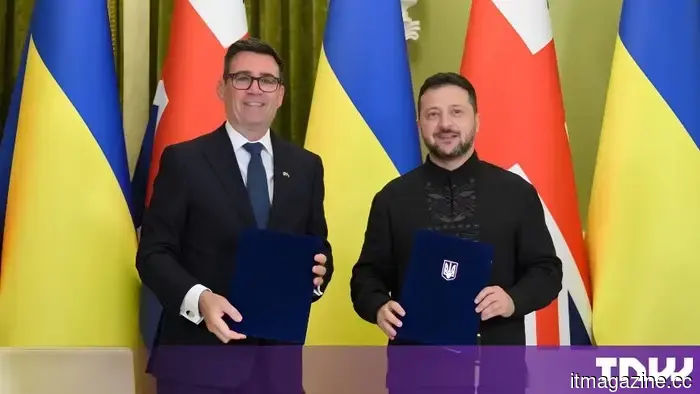 The UK and Ukraine have entered into a declaration regarding military capabilities enhanced by AI.
Volodymyr Zelenskyy and Andy Burnham signed a joint statement in Kyiv regarding a partnership on AI, which includes aspects of AI-enhanced military capabilities.
The UK and Ukraine have entered into a declaration regarding military capabilities enhanced by AI.
Volodymyr Zelenskyy and Andy Burnham signed a joint statement in Kyiv regarding a partnership on AI, which includes aspects of AI-enhanced military capabilities.
 Meta recruited Luke Metz seven months after he was re-employed by OpenAI.
According to Axios, Luke Metz has joined Meta Superintelligence Labs and will report to Alexandr Wang. This marks his third lab in just eight months.
Meta recruited Luke Metz seven months after he was re-employed by OpenAI.
According to Axios, Luke Metz has joined Meta Superintelligence Labs and will report to Alexandr Wang. This marks his third lab in just eight months.
 TCL QM7L Review: The mid-range segment consistently offers outstanding value.
TCL’s QM7L makes its flagship Super Quantum Dot color display more accessible and enhances brightness while making some minor compromises.
TCL QM7L Review: The mid-range segment consistently offers outstanding value.
TCL’s QM7L makes its flagship Super Quantum Dot color display more accessible and enhances brightness while making some minor compromises.
 Meta employed Luke Metz seven months after OpenAI re-hired him.
According to Axios, Luke Metz has started working at Meta Superintelligence Labs and is reporting to Alexandr Wang. This marks his third lab in just eight months.
Meta employed Luke Metz seven months after OpenAI re-hired him.
According to Axios, Luke Metz has started working at Meta Superintelligence Labs and is reporting to Alexandr Wang. This marks his third lab in just eight months.
 Southeast Asia intends to develop four times the data center capacity that it currently operates.
According to Arizton, investment in data centres in Southeast Asia is projected to exceed $35.08 billion by 2031, more than doubling from previous figures, with Malaysia at the forefront of a 6GW pipeline.
Southeast Asia intends to develop four times the data center capacity that it currently operates.
According to Arizton, investment in data centres in Southeast Asia is projected to exceed $35.08 billion by 2031, more than doubling from previous figures, with Malaysia at the forefront of a 6GW pipeline.
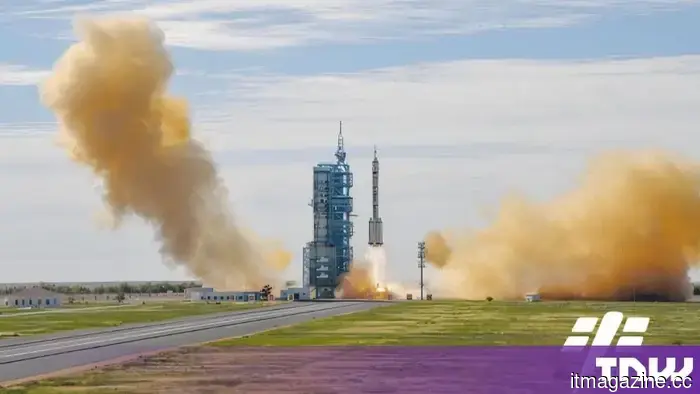 China canceled its ice-hunting lunar mission just one day prior to the scheduled launch.
China has postponed the Chang'e 7 lunar launch, stating that it does not satisfy launch conditions. The next opportunity for launch might not arise until February.
China canceled its ice-hunting lunar mission just one day prior to the scheduled launch.
China has postponed the Chang'e 7 lunar launch, stating that it does not satisfy launch conditions. The next opportunity for launch might not arise until February.
The United Kingdom and Ukraine have entered into a declaration regarding military capabilities enhanced by artificial intelligence.
Volodymyr Zelenskyy and Andy Burnham have formalized a joint declaration in Kyiv regarding an AI partnership, which includes aspects related to AI-enhanced military capabilities.