
Android 17 has finally introduced the Pixel feature that my motion-sensitive self has been anticipating.
This feature could have been a game changer years ago, but I'm glad it's available now.
I've never had a great experience with long car rides, particularly if they include winding roads. Despite having traveled through mountainous areas numerous times, it never becomes any easier. I can manage to be comfortable if I focus on the scenery, but when I pull out my phone to read for just a few minutes, my motion sickness can quickly rear its head.
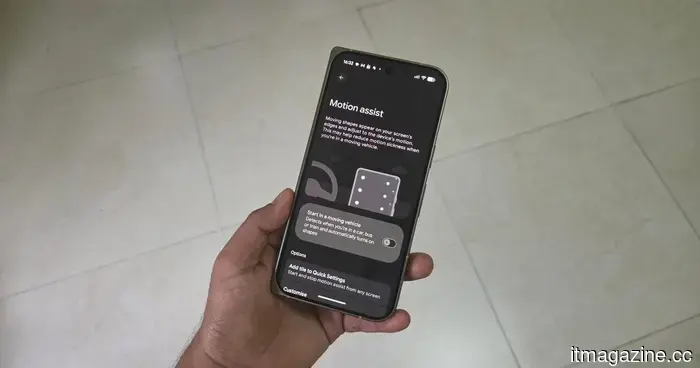
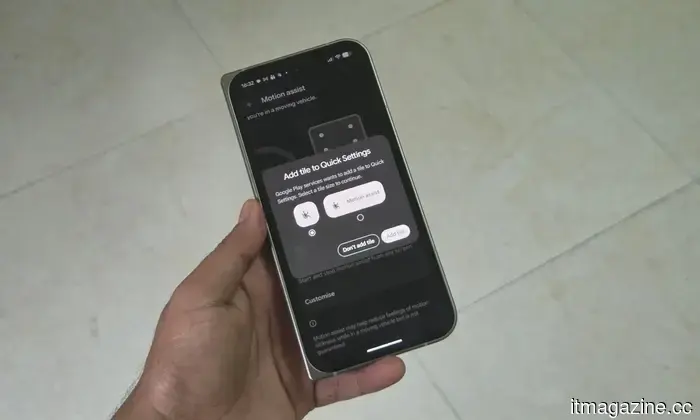
This is also why working in a moving vehicle has never felt like a true possibility for me. The mere thought of opening emails on a laptop or drafting a quick article makes me feel queasy. However, Google may offer a solution to help me use my phone more comfortably. The company is starting to introduce Motion Assist (also known as Motion Cues) on Android 17, and as is typical with Android updates, the Pixel is first in line to receive this feature.
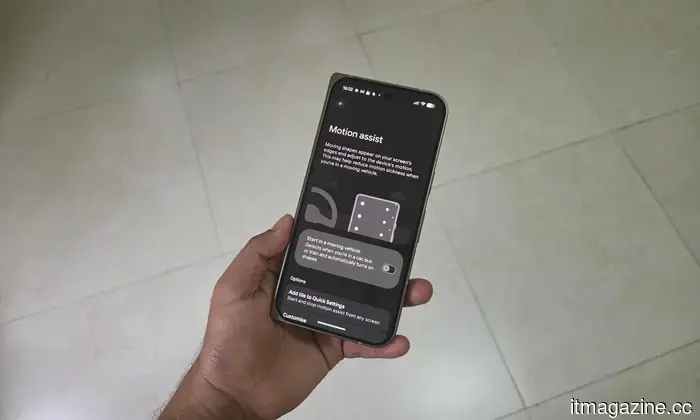
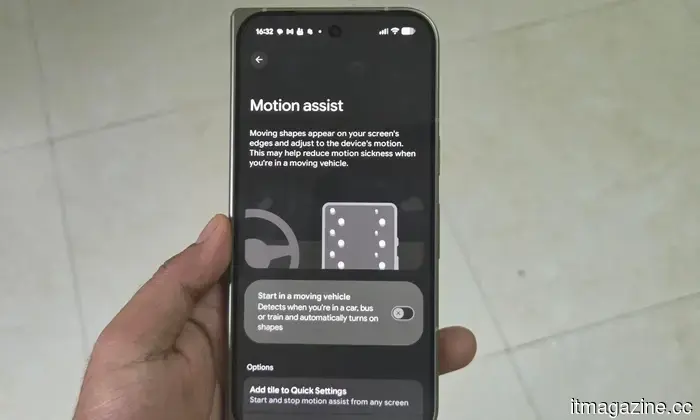
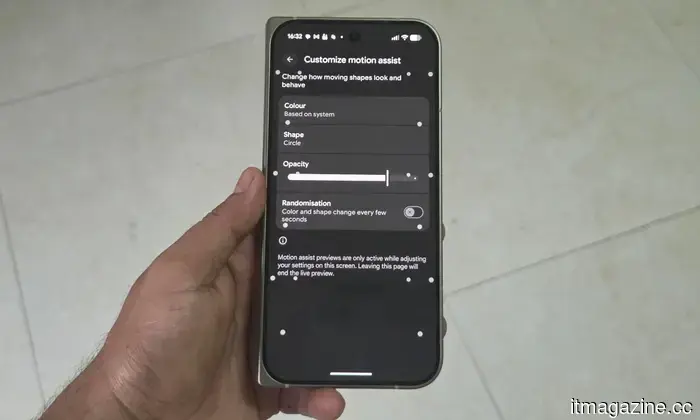
The upcoming Pixel 11 series will likely include Motion Assist, which features small animated dots around the edges of the screen that react to the vehicle's motion, providing additional visual cues that align with what your inner ear is sensing. If it performs as expected, scrolling, reading, and responding to messages while sitting in the passenger seat could become significantly easier for those of us prone to motion sickness.
A few tiny dots could greatly impact the experience.
To provide some background, motion sickness happens when your eyes and vestibular system send conflicting signals about your body's movement. Your inner ear detects acceleration, braking, or turning, while your eyes focus on what seems to be a stationary phone screen. This disconnection leads to that uncomfortable feeling. Google’s new Motion Assist aims to lessen that discrepancy by adding visual elements that react to your surroundings.
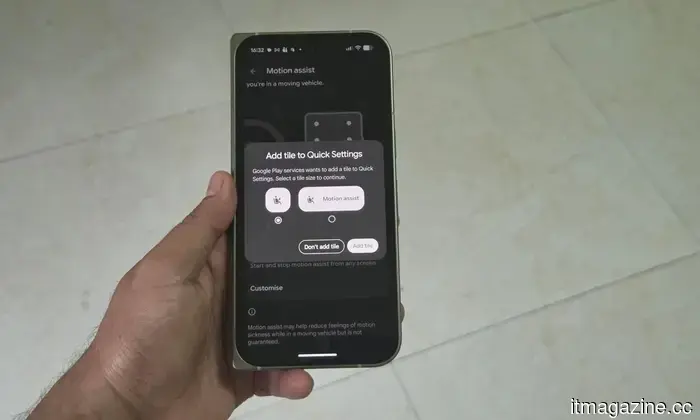
Users will be able to toggle this feature manually or have it activate automatically when the phone detects you are in a vehicle. The dots will remain along the edges, avoiding interference with the content you're viewing, ensuring they are visible without causing additional distraction. It appears that the feature is now rolling out for the Pixel 11 series, and I'm excited to try it out on my Pixel 11 Pro.
Interestingly, Apple had a similar idea first.
While fans often criticize Apple for being slow to adopt basic features already present on Android, the company debuted a similar concept about a year ago. Apple introduced Vehicle Motion Cues on the iPhone and iPad with iOS 18, featuring animated dots along the screen's edges that react to vehicle movement. Therefore, Google's version is quite similar.
This doesn’t diminish the usefulness of Motion Assist, though. I'm simply pleased that Android is finally catching up with a feature that could alleviate the discomfort of long car rides. I've spent enough time on road trips torn between looking at my phone and enduring the associated misery afterward. If Motion Assist proves effective, it might become one of my favorite features on the Pixel 11 Pro—at least until other Android brands adopt it.


Other articles
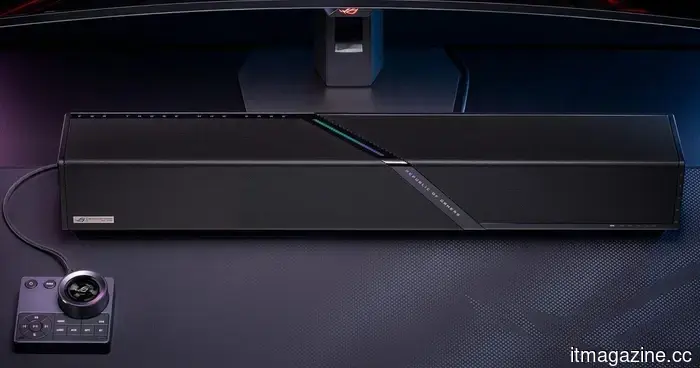 ASUS's $600 ROG soundbar allows you to communicate during games without needing a headset, and it's now available in the US.
The initial ROG gaming soundbar from ASUS features 2.1.2 Dolby Atmos, a wireless subwoofer, and integrated noise-canceling microphones intended for multiplayer gaming without a headset.
ASUS's $600 ROG soundbar allows you to communicate during games without needing a headset, and it's now available in the US.
The initial ROG gaming soundbar from ASUS features 2.1.2 Dolby Atmos, a wireless subwoofer, and integrated noise-canceling microphones intended for multiplayer gaming without a headset.
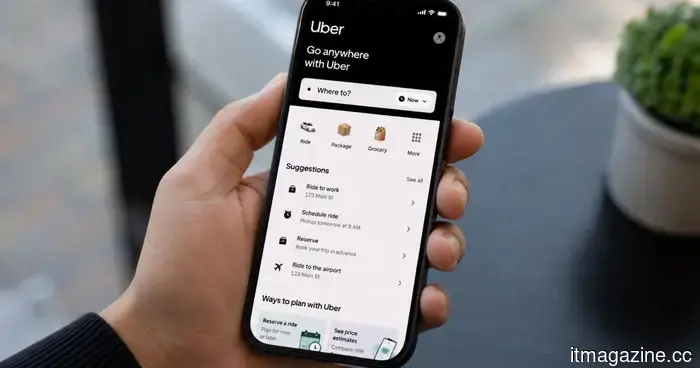 Parents can now track their teenager's Uber ride as it happens.
Uber is providing parents with an additional method to monitor their teenagers' rides; however, its new live video feature also brings up some privacy concerns.
Parents can now track their teenager's Uber ride as it happens.
Uber is providing parents with an additional method to monitor their teenagers' rides; however, its new live video feature also brings up some privacy concerns.
 Emerald AI has secured $150 million at a valuation of $1.05 billion to enhance its data center capabilities.
Emerald AI secured $150 million, achieving a valuation of $1.05 billion for its software that reduces data center power usage during times of grid stress, as stated by the company.
Emerald AI has secured $150 million at a valuation of $1.05 billion to enhance its data center capabilities.
Emerald AI secured $150 million, achieving a valuation of $1.05 billion for its software that reduces data center power usage during times of grid stress, as stated by the company.
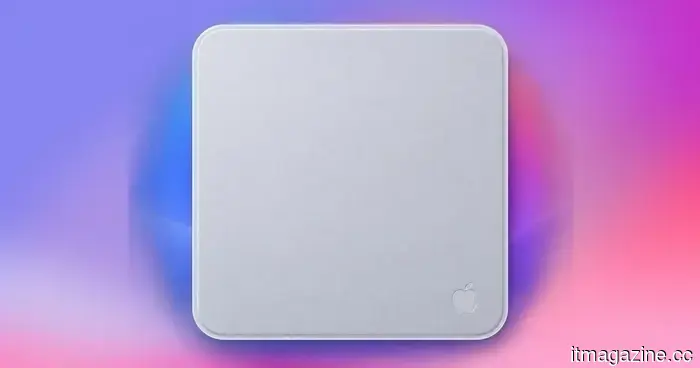 Apple raised the prices of Macs, but the new Polishing Cloth will help you save a nice $10.
Apple has reduced the price of its widely recognized polishing cloth to $9, despite the fact that the new Mac mini and Mac Studio have seen a significant price increase. How does this add up?
Apple raised the prices of Macs, but the new Polishing Cloth will help you save a nice $10.
Apple has reduced the price of its widely recognized polishing cloth to $9, despite the fact that the new Mac mini and Mac Studio have seen a significant price increase. How does this add up?
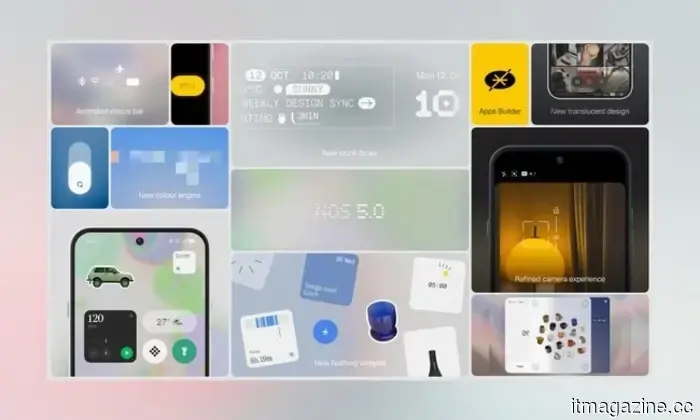
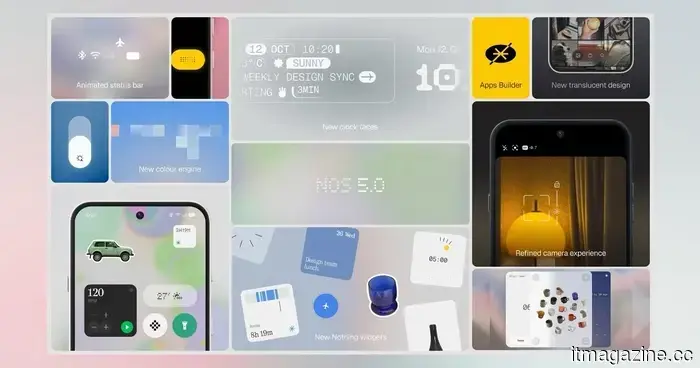 Nothing OS 5.0 encourages you to stop alternating between applications and begin fully engaging with your phone.
Fresh fonts, new widgets, and updated clock faces. Nothing OS 5.0 is poised to be the most significant software enhancement from the brand to date.
Nothing OS 5.0 encourages you to stop alternating between applications and begin fully engaging with your phone.
Fresh fonts, new widgets, and updated clock faces. Nothing OS 5.0 is poised to be the most significant software enhancement from the brand to date.
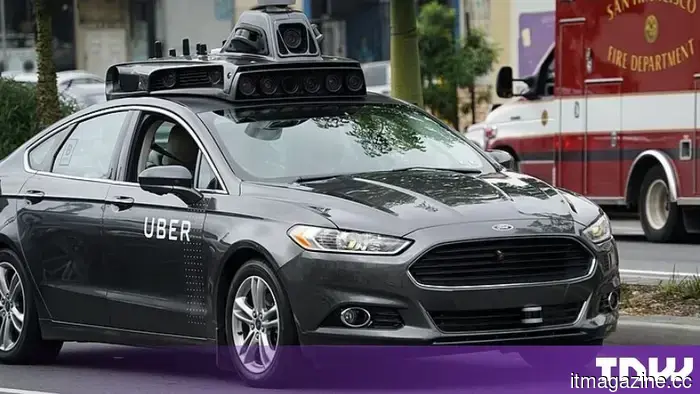 Parents can now track their teenager's Uber ride in real time using the driver's phone.
Uber is allowing parents to monitor their teenagers' rides in real-time through the driver's phone, with no option for other passengers to opt-out and no information available regarding end-to-end encryption.
Parents can now track their teenager's Uber ride in real time using the driver's phone.
Uber is allowing parents to monitor their teenagers' rides in real-time through the driver's phone, with no option for other passengers to opt-out and no information available regarding end-to-end encryption.
Android 17 has finally introduced the Pixel feature that my motion-sensitive self has been anticipating.
The new Motion Assist feature from Android 17 is being rolled out to Pixel 11 phones, incorporating animated screen cues aimed at alleviating the sensory mismatch that leads to motion sickness.