
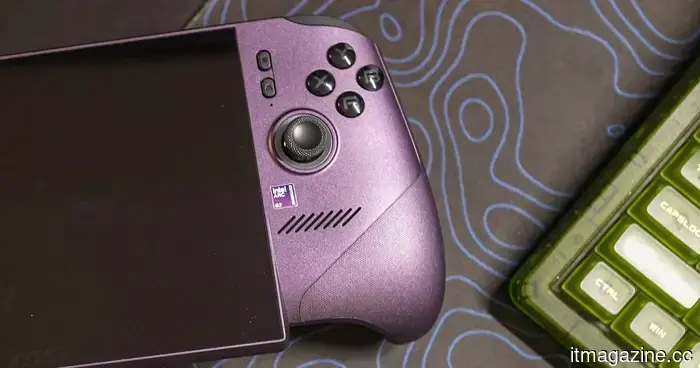
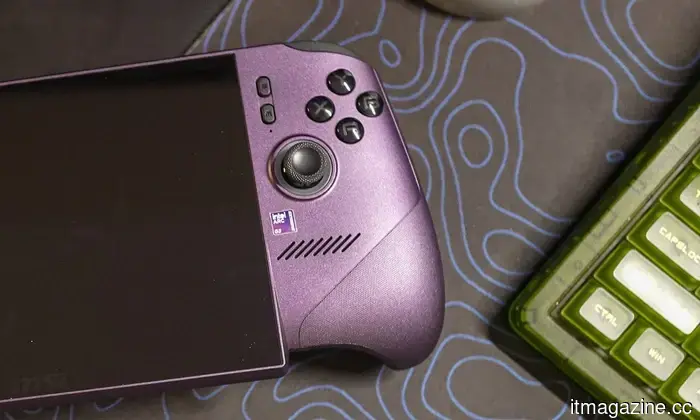
Intel might be developing an affordable Panther Lake processor for gaming handheld devices.
The anticipated chip is expected to be much simpler than the Arc G3 Extreme, but it could help make Intel-equipped handheld devices more budget-friendly.
Intel might be developing a more cost-effective option to its powerful Arc G3 Extreme handheld processor. According to insider Jaykihn, the company is reportedly creating a Panther Lake-based chip featuring eight CPU cores and four Xe3 GPU cores, which may enable handheld manufacturers to produce less expensive devices without forgoing Intel's latest technology.
A streamlined Panther Lake could lead to cheaper handheld devices
The alleged specifications are not particularly surprising. Intel already offers Panther Lake chips that feature eight CPU cores and four Xe3 GPU cores, which consist of four performance cores and four low-power efficiency cores. What makes this noteworthy is the notion that this configuration could be specifically designed for handheld gaming PCs as a more affordable option compared to the dedicated Arc G3 lineup.
The trade-offs are clear. Intel's Arc G3 Extreme boasts 14 CPU cores and a larger 12-Xe3 Arc B390 GPU, while the standard Arc G3 shares the same 14-core CPU framework but has a 10-Xe3 GPU. Therefore, the rumored Panther Lake option would sacrifice a significant level of graphics performance for a simpler and potentially less expensive chip.
This idea could actually be quite logical. Not every consumer purchasing a handheld device requires it to run the latest AAA games at the highest settings. A lower-priced Intel device focused on indie games, older AAA titles, and lighter gaming could expand the company’s reach far beyond its current premium market focus.
Intel has the performance capability; now it needs a competitive price.
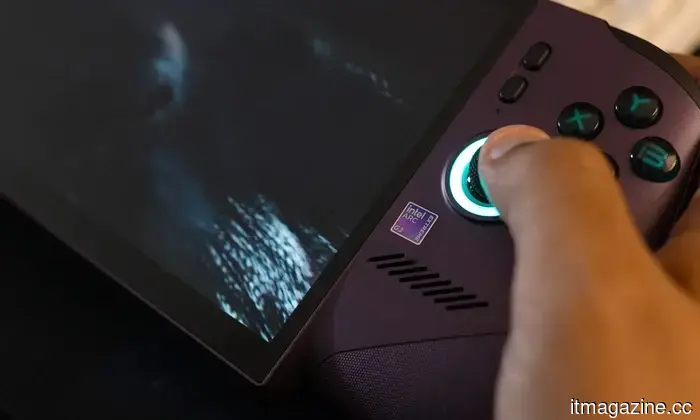
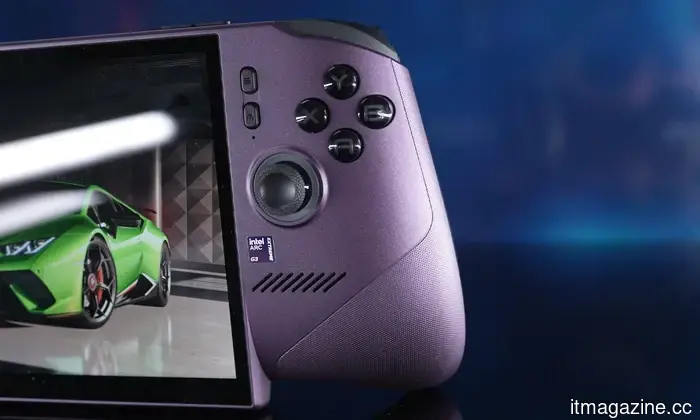
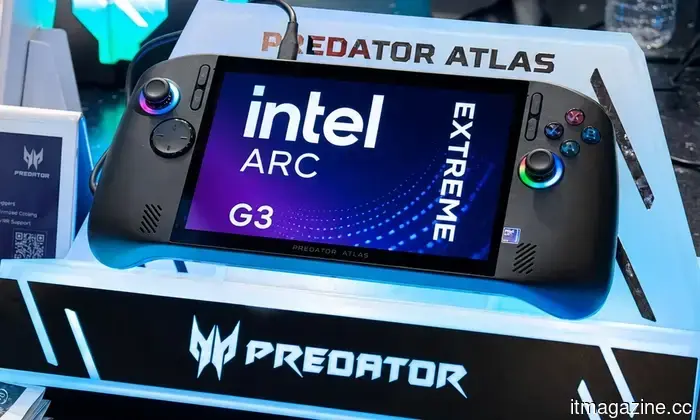
We tested Intel's Arc G3 Extreme in the MSI Claw 8 EX AI+, and the performance was genuinely impressive. It provides significant strength to Intel's handheld platform, but there's a considerable caveat: the Claw debuted at $1,799, resulting in it being more of a high-end gaming item than an impulse purchase. This is why a more affordable Panther Lake chip is an intriguing prospect. Intel clearly has the performance potential; it simply needs to make it more accessible.
However, a cheaper chip does not automatically equate to a low-cost handheld. The expenses for memory and storage continue to impact the overall production costs, and even current Intel G3-powered handhelds are projected to remain around the $1,000 range, with models like the MSI Claw and Acer Predator Atlas priced significantly higher. Therefore, while Intel may reduce the processor's cost, it doesn't guarantee the entire device will become a budget option.
This makes the rumored four-Xe3 Panther Lake chip a hopeful sign, but it would be wise to temper expectations for budget-friendly handhelds at this stage. Given the current component pricing, a genuinely affordable Intel handheld could still be a challenging endeavor, and anything approaching Steam Deck pricing would be a pleasant surprise. Nonetheless, diversifying its strategy between high-performance premium handhelds and more reasonable mainstream devices is exactly what Intel needs if it aspires for Arc to be more than just an expensive novelty.



Other articles
 Do classroom screens diminish children's cognitive abilities? Experts hold differing opinions.
Jared Cooney Horvath argues that classrooms with excessive screen time are hindering children's abilities, highlighting a drop in IQ scores since 2000. However, not all specialists are in agreement, as some note advantages of limited screen usage.
Do classroom screens diminish children's cognitive abilities? Experts hold differing opinions.
Jared Cooney Horvath argues that classrooms with excessive screen time are hindering children's abilities, highlighting a drop in IQ scores since 2000. However, not all specialists are in agreement, as some note advantages of limited screen usage.
 Alibaba divests its Lingxi games division to finance a comprehensive investment in AI.
Alibaba is divesting its gaming subsidiary Lingxi Games to the private-equity firm Trustar Capital in a transaction worth between $1.5 billion and over $2 billion, to support its shift towards AI and cloud initiatives.
Alibaba divests its Lingxi games division to finance a comprehensive investment in AI.
Alibaba is divesting its gaming subsidiary Lingxi Games to the private-equity firm Trustar Capital in a transaction worth between $1.5 billion and over $2 billion, to support its shift towards AI and cloud initiatives.
 Helsing, Europe’s leader in defence AI, is leveraging Rakuten to enter Japan’s arms market.
Japan's military is currently conducting field tests on Helsing's HX-2 strike drone, with Rakuten facilitating the entry of the German AI defense startup into a market that has just begun to allow foreign weapons.
Helsing, Europe’s leader in defence AI, is leveraging Rakuten to enter Japan’s arms market.
Japan's military is currently conducting field tests on Helsing's HX-2 strike drone, with Rakuten facilitating the entry of the German AI defense startup into a market that has just begun to allow foreign weapons.
 The SafePal breach has exposed the addresses, but the cryptocurrency remains secure, which could pose a more significant issue.
SafePal, the cryptocurrency wallet manufacturer supported by Binance, has reported a security breach that has revealed the names and physical addresses of almost 40,000 customers, increasing the risks of phishing and physical attacks.
The SafePal breach has exposed the addresses, but the cryptocurrency remains secure, which could pose a more significant issue.
SafePal, the cryptocurrency wallet manufacturer supported by Binance, has reported a security breach that has revealed the names and physical addresses of almost 40,000 customers, increasing the risks of phishing and physical attacks.
 A bar in Beijing exchanged complimentary Wi-Fi for free DeepSeek tokens.
The AGI Bar in the Zhongguancun technology district of Beijing offers customers free DeepSeek tokens in place of Wi-Fi, operating the model on two Nvidia workstations. It serves as a bubbly tribute to China's AI surge and its concerns about a potential bubble.
A bar in Beijing exchanged complimentary Wi-Fi for free DeepSeek tokens.
The AGI Bar in the Zhongguancun technology district of Beijing offers customers free DeepSeek tokens in place of Wi-Fi, operating the model on two Nvidia workstations. It serves as a bubbly tribute to China's AI surge and its concerns about a potential bubble.
 The United States is poised to force its allies to choose a side in the AI cold war.
A leaked letter from the State Department alerts 35 allied nations that they cannot participate in both American and Chinese AI initiatives, transforming the Pax Silica agreement into a measure of loyalty.
The United States is poised to force its allies to choose a side in the AI cold war.
A leaked letter from the State Department alerts 35 allied nations that they cannot participate in both American and Chinese AI initiatives, transforming the Pax Silica agreement into a measure of loyalty.
Intel might be developing an affordable Panther Lake processor for gaming handheld devices.
Intel might be developing a more affordable Panther Lake chip aimed at gaming handhelds, featuring an 8-core CPU and four Xe3 GPU cores, which is said to cater to budget-conscious consumers.