
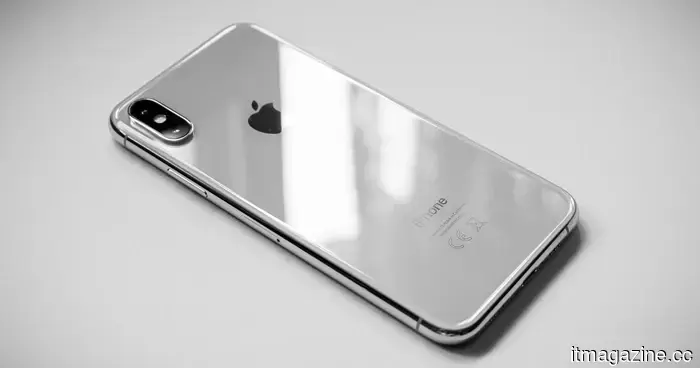
The iPhone X has become outdated, and the same applies to that old MacBook Pro.
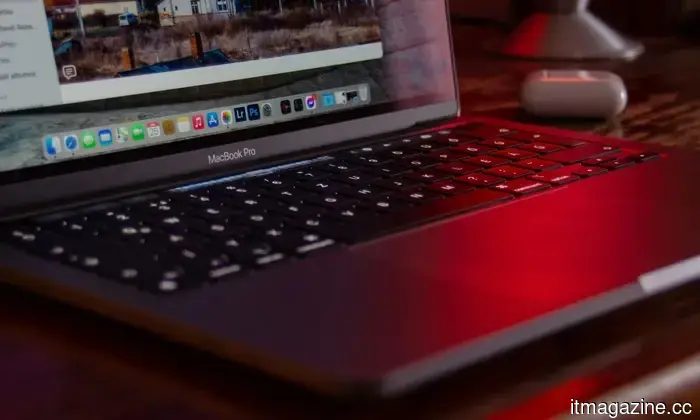
The iPhone X and the 15-inch 2018 MacBook Pro have officially been added to Apple’s obsolete products list, which signals the end of official hardware service for these two devices that once embodied the company's future vision.
Apple has updated its support listings, transitioning both products from the vintage category to the obsolete category. This change is significant because once a product is classified as obsolete, Apple ceases all hardware service for it, and authorized service providers can no longer order parts from Apple.
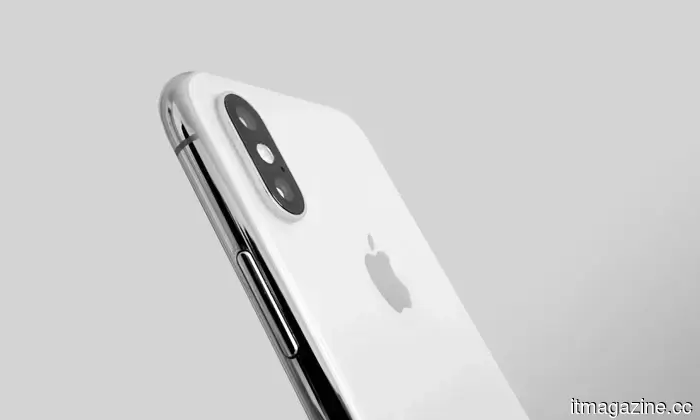
The timing for the iPhone X is particularly noteworthy. Released in 2017, it introduced the design elements that would shape the iPhone lineup for years, including Face ID and the notch. Nearly ten years later, Apple has officially stopped regarding it as a product worth sustaining.
The 15-inch 2018 MacBook Pro receives the same status, although it has enjoyed a longer software life. The 13-inch model was already included in the obsolete list, with Apple moving it to that classification back in 2024.
Your old Apple device will still function, but repairs may be another matter.
It is essential to understand that being classified as obsolete does not mean the device is unusable. If you own an iPhone X or a 2018 MacBook Pro, Apple is not disabling it. The change primarily impacts the service options available when the hardware requires maintenance.
Apple states that products typically become obsolete more than seven years after they stop being sold, though the specific timeline is determined by Apple. Before reaching that point, products can remain on the vintage list, where service is available as long as parts are still available.
The software situation is already quite clear. The iPhone X did not receive iOS 17, making iOS 16 its last major software release, with the device currently limited to iOS 16.7.16. In contrast, the 2018 MacBook Pro can only run macOS Sequoia, with macOS 15.7.7 as its highest version.
This is particularly important for those who still rely on the device.
For most users, nothing changes immediately. Your iPhone X will still function, your MacBook Pro will still operate, and neither device will suddenly become unusable simply because of an update to a support page.
The primary concern lies in potential hardware failures. A worn battery, a damaged screen, or a failing component may become significantly more difficult to repair through authorized channels now that Apple has discontinued service for these models. Apple mentions that support may sometimes extend for products for up to 10 years, depending on parts availability and other factors, but this should not be assumed as a guarantee.
For anyone who continues to use an iPhone X or a 2018 MacBook Pro happily, there is no pressing need to upgrade just because of Apple’s classification change. However, if the battery is already deteriorating or you've been postponing a repair, it may be wise to reevaluate the assumption that Apple will always be available to assist with repairs.
Other articles
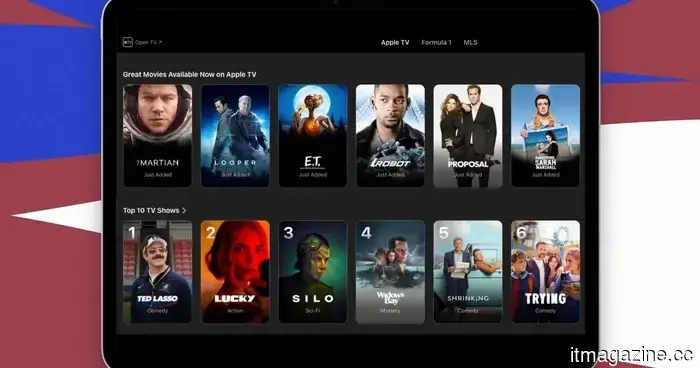 Apple TV has just added several classic films, and they are all deserving of a rewatch.
Apple TV has expanded its streaming library by incorporating a selection of classic and well-known films, featuring titles like Arrival, The Martian, Gone Girl, and E.T.
Apple TV has just added several classic films, and they are all deserving of a rewatch.
Apple TV has expanded its streaming library by incorporating a selection of classic and well-known films, featuring titles like Arrival, The Martian, Gone Girl, and E.T.
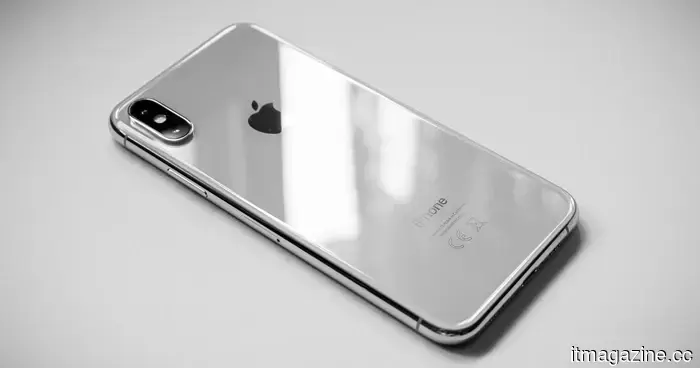 The iPhone X is now outdated, as is that old MacBook Pro.
Apple has placed the iPhone X and the 15-inch 2018 MacBook Pro on its obsolete list, which means that official hardware support and parts ordering for these devices have been discontinued.
The iPhone X is now outdated, as is that old MacBook Pro.
Apple has placed the iPhone X and the 15-inch 2018 MacBook Pro on its obsolete list, which means that official hardware support and parts ordering for these devices have been discontinued.
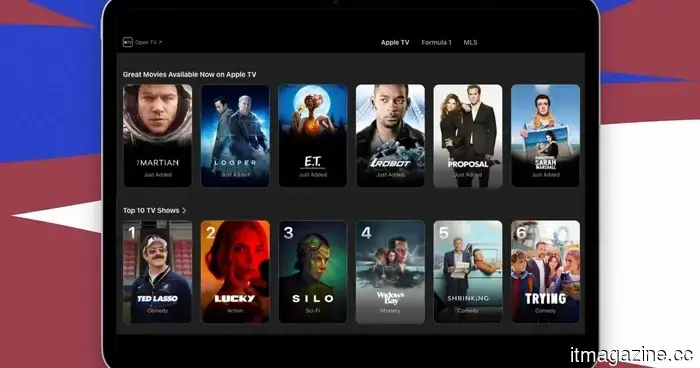 Apple TV has recently added several classic films, and each of them deserves to be revisited.
Apple TV has expanded its streaming library with a selection of classic and well-known movies, featuring titles like Arrival, The Martian, Gone Girl, and E.T.
Apple TV has recently added several classic films, and each of them deserves to be revisited.
Apple TV has expanded its streaming library with a selection of classic and well-known movies, featuring titles like Arrival, The Martian, Gone Girl, and E.T.
 Pony.ai and Uber will deploy over 2,000 Chinese robotaxis on the streets of Europe.
Pony.ai and Uber are enhancing their collaboration to launch more than 2,000 robotaxis throughout Europe, beginning in Zagreb. This strategy is an asset-light initiative aimed at introducing Chinese self-driving technology onto European streets.
Pony.ai and Uber will deploy over 2,000 Chinese robotaxis on the streets of Europe.
Pony.ai and Uber are enhancing their collaboration to launch more than 2,000 robotaxis throughout Europe, beginning in Zagreb. This strategy is an asset-light initiative aimed at introducing Chinese self-driving technology onto European streets.
 Cl0p asserts that they have conducted a major hack involving Shell, Philips, and numerous other companies.
The ransomware group Cl0p, which has links to Russia, claims to have stolen data from Shell, Philips, and many other companies in a campaign that researchers attribute to a vulnerability in Oracle software.
Cl0p asserts that they have conducted a major hack involving Shell, Philips, and numerous other companies.
The ransomware group Cl0p, which has links to Russia, claims to have stolen data from Shell, Philips, and many other companies in a campaign that researchers attribute to a vulnerability in Oracle software.
The iPhone X has become outdated, and the same applies to that old MacBook Pro.
Apple has placed the iPhone X and the 15-inch 2018 MacBook Pro on its obsolete list, which means that official hardware service and parts ordering will no longer be available for these devices.